
 EN
EN
 ar
ar bg
bg hr
hr cs
cs da
da nl
nl fi
fi fr
fr de
de el
el hi
hi it
it ko
ko no
no pl
pl pt
pt ro
ro ru
ru es
es sv
sv tl
tl iw
iw id
id lv
lv lt
lt sr
sr sk
sk sl
sl uk
uk vi
vi et
et hu
hu th
th tr
tr fa
fa ms
ms hy
hy ka
ka ur
ur bn
bn mn
mn ta
ta kk
kk uz
uz ku
ku
vibration accelerometer
Cable force monitoring is one of the more specialized uses of Kingmach vibration accelerometer. A vibrating cable carries frequency information that can be processed into force values when the cable parameters and calculation method are properly configured. That means the sensor is part of a larger test method, not a standalone answer. The installation must capture the cable response cleanly, and the record should preserve cable identity, test condition, environmental context, and review result. Repeat tests should use the same location and procedure whenever possible. If the cable, boundary condition, or measurement position changes, the record should say so. Written this way, the page explains the engineering value without relying on dense technical tables.
During interpretation, the team should compare the motion with nearby strain, displacement, tilt, load, wind, temperature, traffic, machinery, or construction notes. That wider view helps separate normal response from a pattern that needs inspection.
If the reading changes suddenly, the first check should include the sensor attachment, cable route, connector, channel name, and recent field activity. This prevents a maintenance issue from being mistaken for structural behavior.
Long-term monitoring benefits from repeatable procedure. When the same point, direction, event definition, and analysis method are preserved, new vibration records can be compared with earlier records in a defensible way.
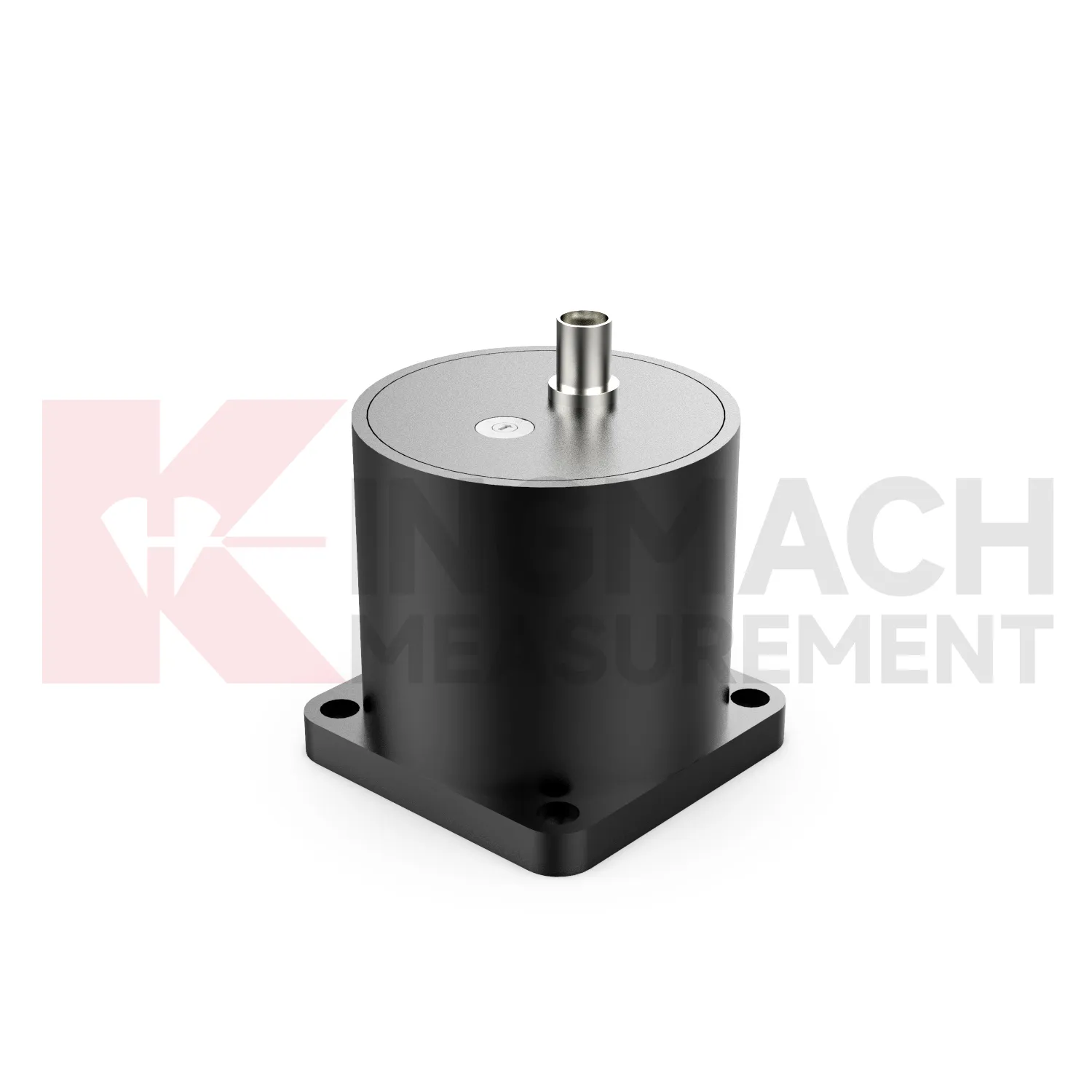
Application of vibration accelerometer
Building vibration monitoring uses Kingmach vibration accelerometer when occupants, equipment, nearby construction, traffic, or structural flexibility create motion that needs a measured record. The task may involve a floor, column, machine base, roof structure, or adjacent building. Acceleration data helps determine whether the motion is occasional, continuous, low-frequency, impact-related, or tied to a specific operating condition. A useful building record includes sensor location, mounting method, axis direction, activity during measurement, and related crack or settlement observations. This makes the result understandable to engineers, owners, and maintenance teams. It also helps separate comfort concerns from structural concerns. A floor that vibrates during machine operation may need a different response from a wall that moves during excavation nearby.
In occupied buildings, the review should connect measured motion with time of day, equipment schedules, tenant reports, nearby road activity, and any construction work. This human and operational context helps explain why a vibration is noticed, when it occurs, and whether it repeats under the same conditions.
The field team should also keep the point discreet but verifiable. A sensor hidden from accidental contact still needs a clear photo, point name, and axis record. That balance protects the device while giving engineers enough information to compare future measurements.
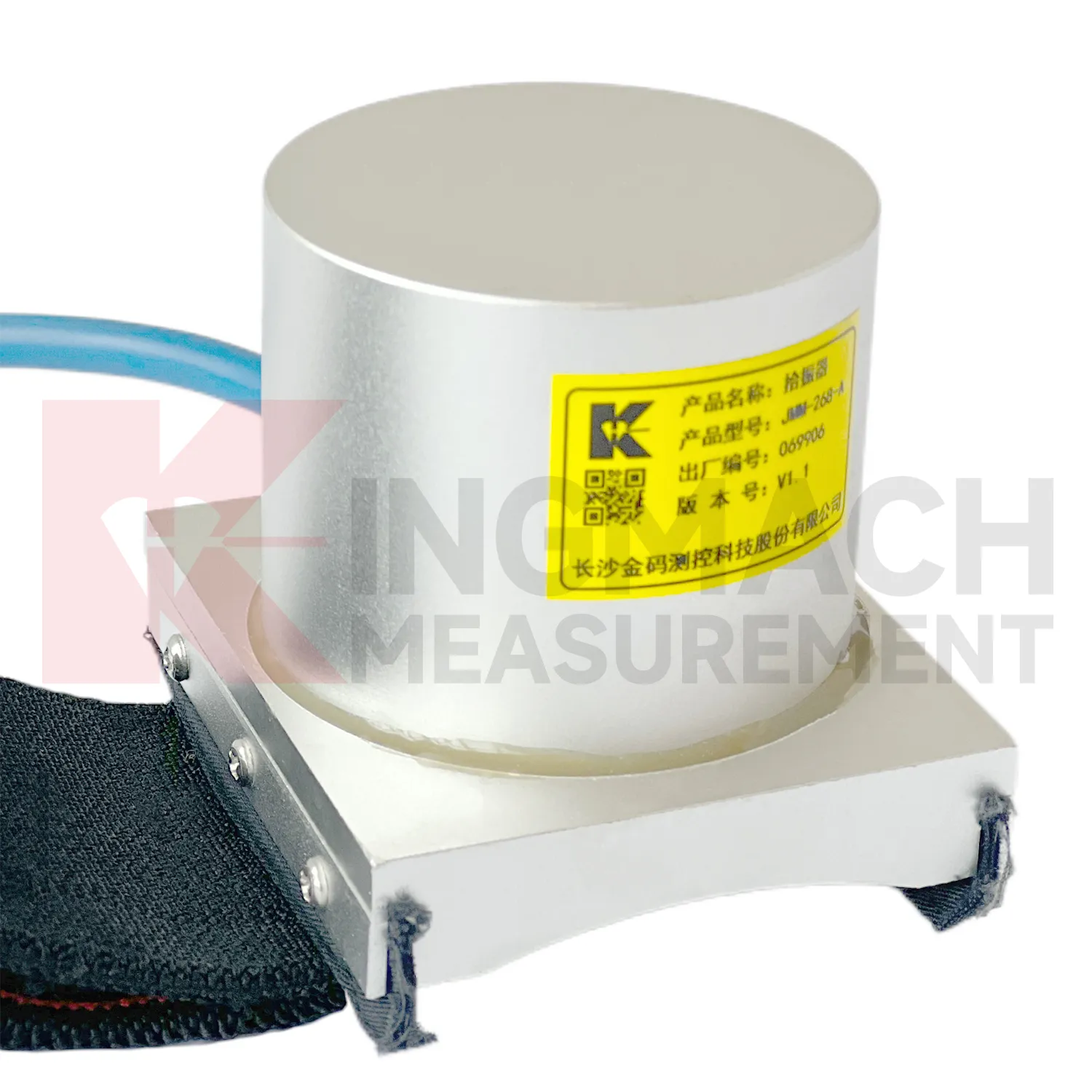
The future of vibration accelerometer
The future of Kingmach vibration accelerometer will place more weight on clean installation records. Dynamic data is sensitive to mounting, axis direction, and local noise. Future handover files should include point photographs, surface condition, bracket notes, axis labels, cable route, acquisition settings, and first test record. These details will help owners understand why a sensor was placed at a certain location and how later data should be interpreted. A good installation record keeps the waveform useful long after the original crew has left. It also reduces confusion when maintenance teams replace hardware or compare new events with older data.
Dynamic data can be sensitive to small field changes. A new bracket, nearby machine, temporary work platform, changed cable route, or software update can alter the record, so those changes belong in the maintenance history.
For owner handover, the file should include point photos, axis labels, acquisition settings, related structural channels, and examples of normal behavior. That helps future reviewers understand whether a later event is unusual.
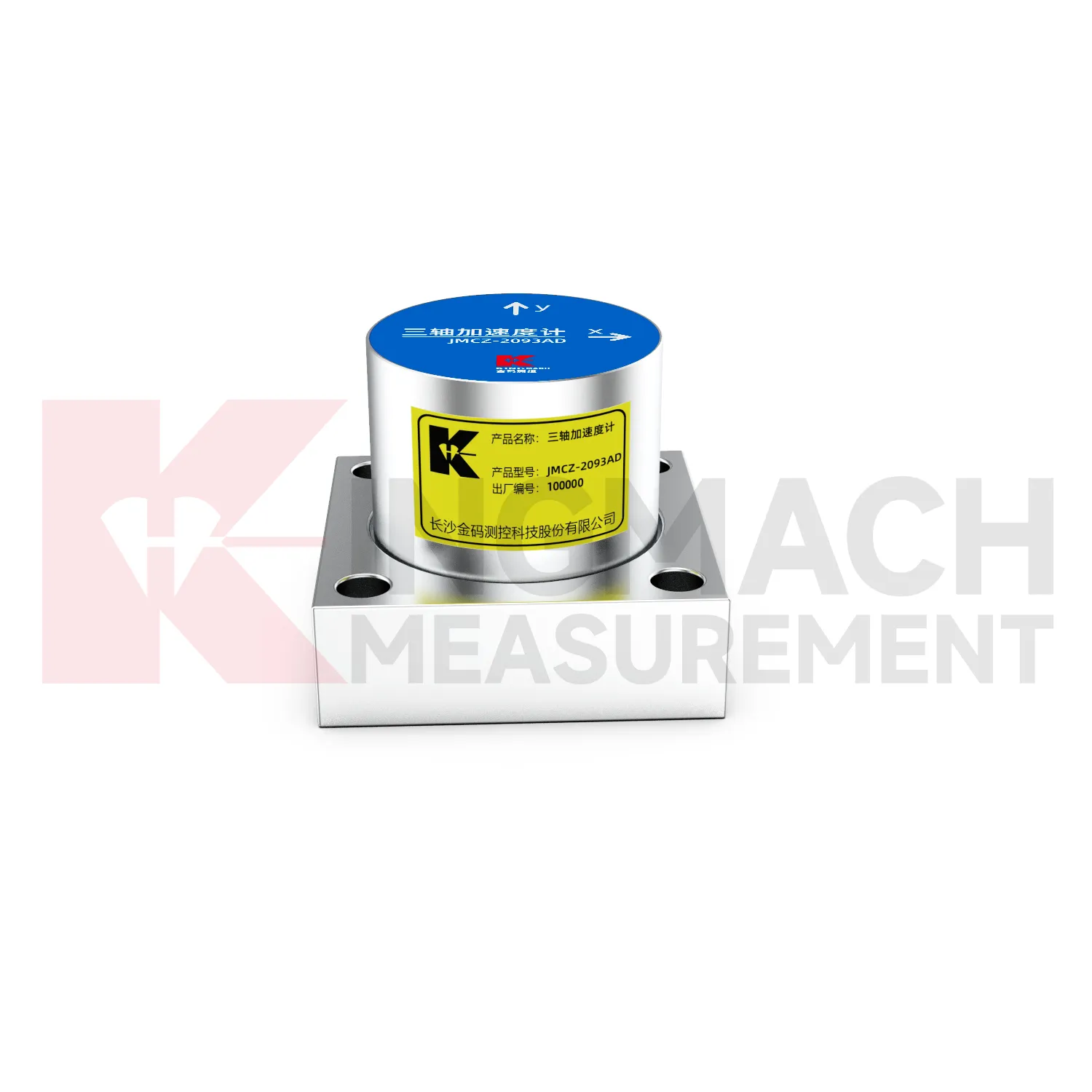
Care & Maintenance of vibration accelerometer
Replacement of Kingmach vibration accelerometer components should be visible in the monitoring record. When a sensor, cable, connector, bracket, acquisition channel, or software setting changes, record the date, reason, old point condition, new point condition, and first stable test. Do not hide replacement by forcing the new record to look continuous without explanation. Future reviewers need to know whether a change in vibration came from the structure or from maintenance. A clear replacement note protects the long-term data story. It also makes handover easier when a new team takes responsibility for the monitoring system.
Weak-vibration review should include nearby walking, wind, traffic, equipment start-up, and construction activity because these sources can influence the trace. People walking nearby, wind, traffic, equipment start-up, and construction work can all influence the trace, so the field note should capture what was happening around the point.
For high-risk assets, inspection timing should follow events as well as calendar dates. After impact, blasting, severe weather, unusual vibration, or equipment maintenance, the sensor and the data path both deserve a quick check.
Kingmach vibration accelerometer
On site, Kingmach vibration accelerometer need careful placement more than dramatic claims. The sensor should be fixed to a surface that truly moves with the structure. A loose bracket, thin cover plate, or vibrating cable tray can create a signal that belongs to the installation, not the structure. The axis direction should be recorded before data collection begins. The acquisition channel should match the point name on drawings. If the monitoring task involves low-frequency motion, the mounting needs to remain stable through long recording periods. A clear installation photo, cable note, and first test record help future reviewers understand what the waveform represents. Good installation is what lets the data carry engineering meaning.
The report should not leave the waveform isolated. It should explain what the asset was doing, why the point was measured, which event triggered interest, and what follow-up action or observation was made.
Dynamic data can be sensitive to small field changes. A new bracket, nearby machine, temporary work platform, changed cable route, or software update can alter the record, so those changes belong in the maintenance history.
FAQ
Q: How should a sensor position be selected?
A: Place it where the structure actually moves and where the record answers a clear engineering question.
Q: Why is mounting important?
A: Loose mounting can create a false vibration signal, so the sensor must be fixed to a stable surface.
Q: Why does axis direction matter?
A: The waveform only has meaning when reviewers know whether it represents vertical, lateral, longitudinal, or multi-direction motion.
Q:What should be recorded at installation?
A: Record point name, mounting face, axis direction, cable route, acquisition channel, first test record, and photos.
Q: Can sensors be moved after installation?
A: They can, but the move date, reason, new position, and new baseline test should remain visible in the record.
If the reading changes suddenly, the first check should include the sensor attachment, cable route, connector, channel name, and recent field activity. This prevents a maintenance issue from being mistaken for structural behavior.
Reviews
Robert Taylor
The weir flow meter is well-built and delivers accurate measurements. Great value for water management applications.
Ryan Lewis
Fast delivery and excellent product quality. The accelerometers and tiltmeters are highly reliable. Strongly recommend this company.
Latest Inquiries
To protect the privacy of our buyers, only public service email domains like Gmail, Yahoo, and MSN will be displayed. Additionally, only a limited portion of the inquiry content will be shown.
Ava***@gmail.comAustralia
Hi, I am looking for reliable tiltmeters and accelerometers for structural health monitoring. Please...
Emma***@gmail.comCanada
Dear Sir/Madam, we are interested in displacement transducers and settlement sensors for a geotechni...
Related product categories
- mems accelerometer sensor
- single axis accelerometer
- triaxial accelerometers
- 3-axis accelerometer
- accelerometer piezoelectric
- capacitive accelerometer
- one axis accelerometer
- single axis accelerometer sensor
- 3 axes accelerometer
- wireless accelerometers
- high sensitivity accelerometer
- mems accelerometer working principle