
 EN
 ar
 bg
 hr
 cs
 da
 nl
 fi
 fr
 de
 el
 hi
 it
 ko
 no
 pl
 pt
 ro
 ru
 es
 sv
 tl
 iw
 id
 lv
 lt
 sr
 sk
 sl
 uk
 vi
 et
 hu
 th
 tr
 fa
 ms
 hy
 ka
 ur
 bn
 mn
 ta
 kk
 uz
 ku

weir flow meter
The automatic data path for Kingmach weir flow meter should be planned before the site is closed or flooded. Flow records need clear time stamps, stable communication, correct units, and a point name that matches the physical channel. If a project has more than one weir point, the names should identify the structure, flow direction, and purpose. The data platform should allow operators to see normal patterns, storm response, maintenance effects, and abnormal events without guessing which point they are reviewing. A clean data path also helps when flow is compared with rainfall, water level, seepage, or gate operation. Good acquisition planning makes the measurement easier to trust and easier to use in daily operation. The strongest flow reports are written around decisions. They show whether to keep observing, clean the channel, inspect upstream conditions, check downstream backwater, or compare the point with another water-level or rainfall record. A weir point also needs safe routine access. If staff cannot reach the crest, enclosure, or sensing area during wet weather, the project may collect data but struggle to maintain confidence in it when the record is most important. Designers, operators, maintenance staff, and owners may read the same curve, so the record needs clear site conditions, inspection notes, and action history in plain engineering language.
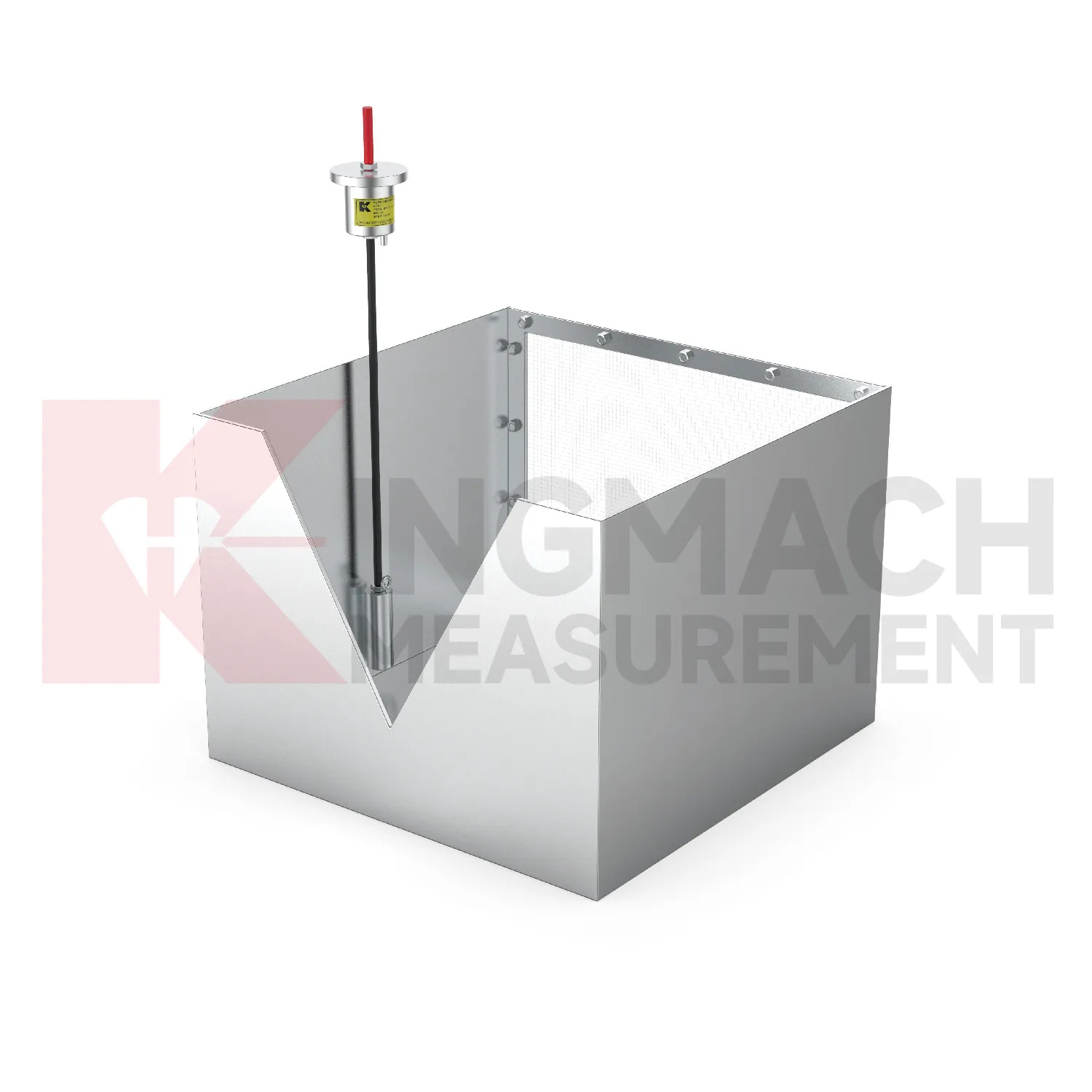
Application of weir flow meter
Integrated monitoring platforms use Kingmach weir flow meter as the flow layer beside rainfall, water level, seepage, settlement, displacement, and environmental records. The platform should not treat flow as an isolated number. Each flow point should be linked to the water path it represents and the engineering question it supports. For a slope, flow may relate to drainage and groundwater. For a tunnel, it may relate to seepage collection. For irrigation, it may relate to delivery. For construction, it may relate to runoff control. During an abnormal event, the reviewer should see flow timing, related conditions, inspection notes, and any maintenance action in one place. This makes the record useful for operation and decision-making. A practical review also checks whether the measuring section remained clean and hydraulically stable. Sediment, debris, vegetation, downstream backwater, or a disturbed approach can change the meaning of the same water-head reading, so those conditions belong in the project notes. For long-term operation, the point name, flow direction, channel purpose, cleaning history, and first stable value should remain visible. Those details help a new operator understand why the point exists and how the data should be used after handover. During abnormal events, the team should compare the flow record with rainfall, upstream control, pumping, seepage, inspection findings, and maintenance work. That comparison helps separate normal water response from blockage, measurement disturbance, or a change in the water system.
The future of weir flow meter
The future of Kingmach weir flow meter will place more attention on readable reporting. Flow monitoring often serves mixed audiences: hydraulic engineers, maintenance teams, water managers, construction supervisors, and asset owners. A useful report should explain the measured channel, the time period, the event, the flow trend, the site condition, and the action taken. It should not require every reader to interpret raw curves. Clear reporting will make flow data easier to use during storm review, irrigation planning, tunnel maintenance, drainage management, and long-term asset reporting. Future reports should separate observation from judgment. The chart may show a rise or drop, while the note explains rainfall, pumping, cleaning, blockage, or downstream influence. When those layers are visible, different teams can discuss the same event without losing the field context. Readable reporting saves time because it makes the next action easier to agree on. It also makes monthly review easier for non-specialist managers.
Care & Maintenance of weir flow meter
Seasonal maintenance should be planned for Kingmach weir flow meter. In wet seasons, debris and sediment may increase. In dry seasons, algae, scale, or low-flow conditions may affect the control section. In cold areas, freezing or ice can distort the water path. In construction areas, temporary works may change runoff and sediment. A seasonal checklist should be tied to the actual site, not copied from a generic calendar. The best maintenance schedule reflects weather, land use, upstream activity, and the owner?s need for reliable flow records during critical periods. Before the high-risk season begins, teams can inspect access, labels, crest condition, outlet clearance, and data communication. After the season, they can review which alarms were useful, which visits were unnecessary, and which channel conditions caused uncertainty. That review turns maintenance history into a better plan for the next operating period. It also supports cleaner budgeting for field labor and spare parts.
Kingmach weir flow meter
A strong Kingmach weir flow meter record supports more than one team. Designers may care about hydraulic behavior, operators may care about regulation, maintenance staff may care about debris and cleaning, and owners may care about water accounting and risk. The record is easier to use when it states where the water passes, how the head is read, what can disturb the flow, and how the data supports decisions. Avoiding product and parameter lists makes the message clearer. The buyer needs to understand how the measurement will work in the channel, not memorize a specification table. A weir point also needs safe routine access. If staff cannot reach the crest, enclosure, or sensing area during wet weather, the project may collect data but struggle to maintain confidence in it when the record is most important. Designers, operators, maintenance staff, and owners may read the same curve, so the record needs clear site conditions, inspection notes, and action history in plain engineering language.
FAQ
Q: What maintenance is needed?
A: Inspect the crest, approach channel, downstream condition, sensing area, enclosure, cable route, labels, and recent flow trend.
Q: How often should cleaning happen?
A: Cleaning frequency depends on debris, sediment, season, upstream activity, rainfall, and how critical the flow record is for the project.
Q: What should be checked after storms?
A: Check debris, sediment, water marks, downstream backwater, enclosure water entry, cable damage, and whether the first post-storm reading is plausible.
Q: Why record maintenance notes?
A: Maintenance notes explain whether a flow change came from real water behavior, cleaning, repair, blockage, or measuring-section disturbance.
Q: What if the weir point is modified?
A: Record the date, reason, old condition, new condition, and first stable reading so future reviewers can compare the curve correctly. Designers, operators, maintenance staff, and owners may read the same curve, so the record needs clear site conditions, inspection notes, and action history in plain engineering language.
Reviews
James Thompson
The tiltmeters and accelerometers are very sensitive and provide precise data. Perfect for our structural health monitoring system.
Joshua Clark
We ordered a full monitoring solution including sensors and data loggers. Everything works seamlessly together. Great supplier!
Latest Inquiries
To protect the privacy of our buyers, only public service email domains like Gmail, Yahoo, and MSN will be displayed. Additionally, only a limited portion of the inquiry content will be shown.
Evelyn***@gmail.comSouth Africa
Hi, we are a contractor working on tunnel construction and need settlement sensors and displacement ...
Isabella***@gmail.comGermany
Hello, we are evaluating weir flow meters for a water management project. Please share accuracy deta...
Related product categories
- Intelligent Weir Flow Meter
- Smart Weir Flow Meter
- weir flow meter
- weir type flow meter
- weir flow meter Price
- weir flow meter Manufacturer
- weir flow meter Supplier
- weir flow meter Solution
- weir flow meter System Integration
- weir flow meter Localization
- weir flow meter Domestic Manufacturing
- weir flow meter China