
 EN
 ar
 bg
 hr
 cs
 da
 nl
 fi
 fr
 de
 el
 hi
 it
 ko
 no
 pl
 pt
 ro
 ru
 es
 sv
 tl
 iw
 id
 lv
 lt
 sr
 sk
 sl
 uk
 vi
 et
 hu
 th
 tr
 fa
 ms
 hy
 ka
 ur
 bn
 mn
 ta
 kk
 uz
 ku

weir flow meter Instant
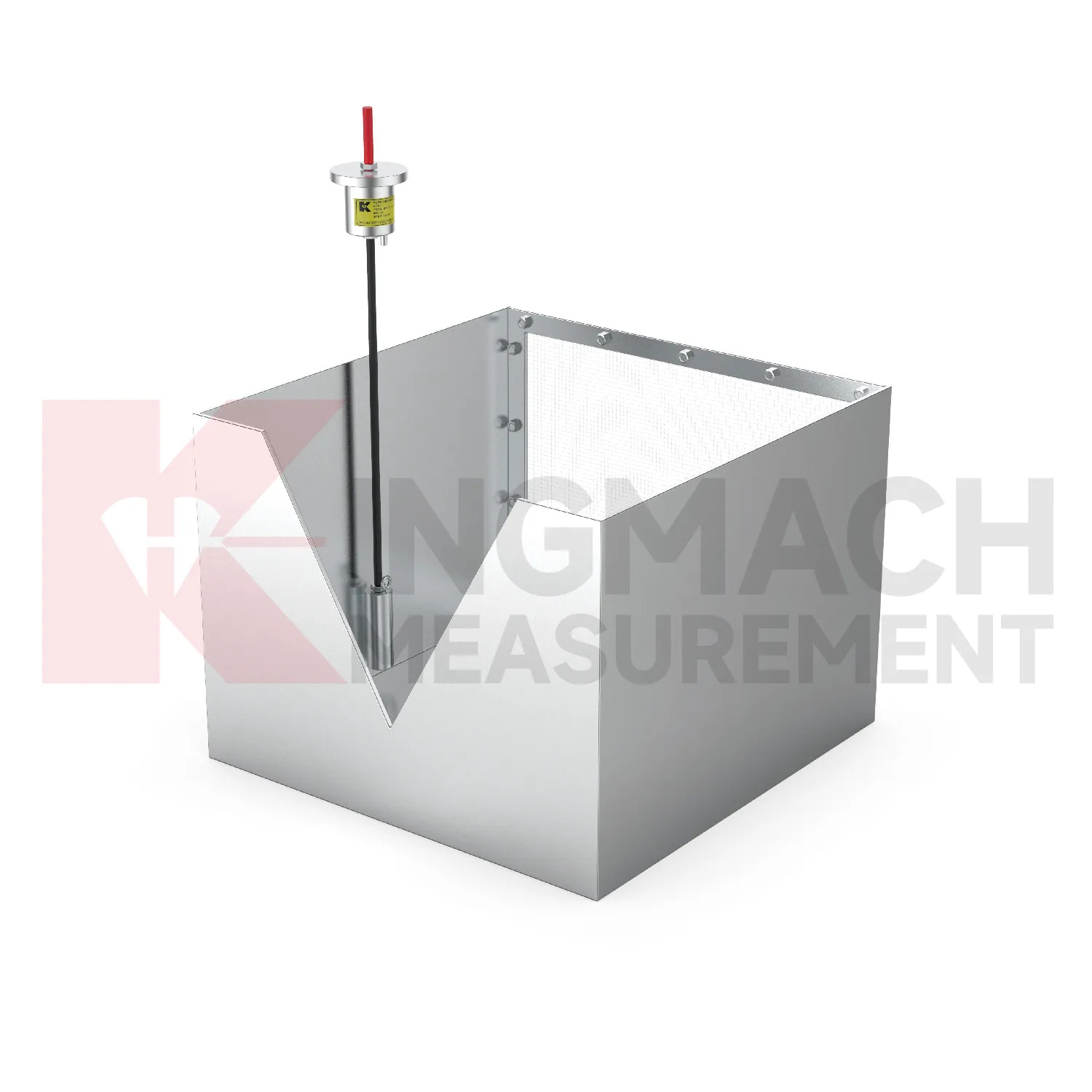
Data interpretation for Kingmach weir flow meter Instant keeps the hydraulic setting visible. Flow records can change because water changed, but they can also change because the measuring section changed. A blocked screen, a damaged crest, algae, sediment, trapped debris, local turbulence, or a shifted reference point can all affect the reading. Good interpretation starts by asking whether the site condition still matches the original installation assumptions. Then the reviewer can compare the flow curve with weather, operations, inspection notes, and related water level records. This habit prevents overreaction to a measurement disturbance and helps identify real changes in discharge. Product information can present flow monitoring as an engineering review process, not only as automatic number collection. If the channel is modified, the record should not hide the change. A repair, new crest, cleaned approach, moved enclosure, or changed data channel can affect comparability and should be visible beside the next flow trend. The field record should explain the water path, the condition before the reading changed, the inspection access, and whether nearby operations or weather events affected the channel. This keeps the flow curve connected to real site behavior rather than leaving it as an isolated number. A practical review also checks whether the measuring section remained clean and hydraulically stable. Sediment, debris, vegetation, downstream backwater, or a disturbed approach can change the meaning of the same water-head reading, so those conditions belong in the project notes.
Application of weir flow meter Instant
Drainage systems use Kingmach weir flow meter Instant to understand how water leaves a site during routine conditions and storm events. In urban drainage, construction drainage, tunnel drainage, and industrial outfalls, operators often need to know whether flow is increasing, delayed, reduced, or blocked. A weir-based record can help compare rainfall timing with discharge timing. If rain stops but flow remains high, the system may be draining stored water. If rainfall is heavy but flow is lower than expected, blockage, sediment, pump operation, or downstream backwater may need inspection. The monitoring point should be installed where it represents the drainage channel, not where turbulence or local obstruction dominates. A clear drainage record supports maintenance scheduling and post-storm review. It can also help teams document what happened during a specific rain event without relying on memory. The report should connect the curve with rainfall time, cleaning work, pump changes, outlet condition, and any temporary diversion. That makes it easier to decide whether the drainage network behaved normally, whether capacity is being lost, or whether a local restriction needs field attention before the next storm. The same record can guide cleaning intervals and help justify drainage improvements when repeated restrictions appear. before problems escalate further.
The future of weir flow meter Instant
Future Kingmach weir flow meter Instant will make maintenance analytics more useful. A flow curve can reveal more than water volume; it can suggest sediment build-up, vegetation growth, debris, downstream backwater, or changed upstream operation. Future platforms can flag slow drift, sudden jumps, flatlines, and disagreements with rainfall or water level records. These checks will not replace field inspection, but they can tell maintenance teams where to look first. A channel that slowly loses capacity should be cleaned before it creates an operating problem. A point that reports impossible behavior should be verified before the data is used in a report. The next step is to connect alarms with practical field tasks. Instead of only saying that a value changed, the system can help operators decide whether to inspect the crest, check the outlet, review recent pumping, or compare the reading with a nearby level point. That kind of guidance saves time in remote channels and keeps routine maintenance tied to measurable behavior.
Care & Maintenance of weir flow meter Instant
Routine inspection of Kingmach weir flow meter Instant should connect field condition with data quality. The inspector should look at the crest, approach channel, downstream condition, sensing area, enclosure, cable route, labels, and recent data trend. If the point is difficult to access safely, that risk should be part of the maintenance plan. The inspection record should be short but specific: what was seen, what was cleaned, what changed, and whether the next reading looked normal. This keeps the flow monitoring point useful through storms, sediment events, construction changes, and long-term operation. Handover records should make the location understandable for the next crew. Site photos, access notes, nearby landmarks, cleaning tools, and known seasonal issues can prevent repeated diagnosis work. When operators change, a clear maintenance note helps preserve continuity, especially at remote channels where small changes in the control section may not be obvious from the office trend alone. Simple maps help too.
Kingmach weir flow meter Instant
Kingmach weir flow meter Instant is relevant wherever flow regulation and water resource management depend on reliable open-channel measurement. A weir installation can support irrigation allocation, drainage review, water treatment inflow, reservoir auxiliary discharge, tunnel seepage observation, or small hydraulic structures. The measurement should be treated as part of an operating system. Channel approach, crest condition, water head reading, data collection, and routine cleaning all affect the final flow record. When these parts are documented, the owner can compare current flow with past behavior and decide whether action is needed. The value comes from repeatable measurement, not from isolated readings. A weir point also needs safe routine access. If staff cannot reach the crest, enclosure, or sensing area during wet weather, the project may collect data but struggle to maintain confidence in it when the record is most important. Designers, operators, maintenance staff, and owners may read the same curve, so the record needs clear site conditions, inspection notes, and action history in plain engineering language.
FAQ
Q: What should buyers define before ordering?
A: Define the water path, measuring purpose, channel condition, access, data review method, maintenance plan, and related site records.
Q: Can one flow point answer every water question?
A: No. Each point should represent a defined channel or discharge path and should be linked to the engineering question it supports.
Q: Why avoid product and parameter lists in the page?
A: Readers need to understand how the flow point works in the channel, how it is maintained, and how the data supports decisions.
Q: What makes long-term flow data reliable?
A: Stable installation, clean hydraulic control, consistent maintenance, clear units, point photos, and visible repair history make long-term data reliable.
Q: How should flow data be reported?
A: Reports should show the measured channel, time period, flow trend, related site conditions, inspection notes, and any action taken. For water accounting or resource management, the same section, reference point, and maintenance discipline make seasonal and operational comparison reliable.
Reviews
Ryan Lewis
Fast delivery and excellent product quality. The accelerometers and tiltmeters are highly reliable. Strongly recommend this company.
Joshua Clark
We ordered a full monitoring solution including sensors and data loggers. Everything works seamlessly together. Great supplier!
Latest Inquiries
To protect the privacy of our buyers, only public service email domains like Gmail, Yahoo, and MSN will be displayed. Additionally, only a limited portion of the inquiry content will be shown.
Emma***@gmail.comCanada
Dear Sir/Madam, we are interested in displacement transducers and settlement sensors for a geotechni...
Amelia***@gmail.comSingapore
Hello, I am looking for visualization software for monitoring system data analysis. Please let me kn...
Related product categories
- weir flow meter Supplier
- weir flow meter Solution
- weir flow meter System Integration
- weir flow meter Localization
- weir flow meter Domestic Manufacturing
- weir flow meter China
- weir flow meter Factory Price
- weir flow meter Cost effective
- weir flow meter Instant
- weir flow meter custom
- weir flow meter steep discount
- weir flow meter introductory