
 EN
 ar
 bg
 hr
 cs
 da
 nl
 fi
 fr
 de
 el
 hi
 it
 ko
 no
 pl
 pt
 ro
 ru
 es
 sv
 tl
 iw
 id
 lv
 lt
 sr
 sk
 sl
 uk
 vi
 et
 hu
 th
 tr
 fa
 ms
 hy
 ka
 ur
 bn
 mn
 ta
 kk
 uz
 ku

wireless accelerometer data logger
Kingmach wireless accelerometer data logger make monitoring networks easier to operate when sensor readings must support formal decisions. Construction teams may need fast confirmation after loading or excavation. Maintenance teams may need periodic checks after repair. Owners may need long-term records that can be exported for reporting. A data logger or readout should support these uses through stable measurement, clear display, dependable storage, and practical communication. It should also help prevent avoidable confusion by keeping the channel name, sensor type, and acquisition time visible. When the device is planned as part of the monitoring system, the project gains cleaner data and fewer uncertain readings. Formal decisions often require a record that can be defended months later. The reviewer may need to know who collected the data, which device was used, whether the station was healthy, and whether a field note explains unusual behavior. Acquisition discipline gives that review a stronger foundation and reduces arguments about missing context. Such discipline supports construction claims, repair review, safety meetings, and owner handover. A dependable device record can show whether a reading was routine, repeated, missing, or linked to a maintenance action. It also helps teams explain why an abnormal value was accepted, questioned, repeated, or linked to field inspection.
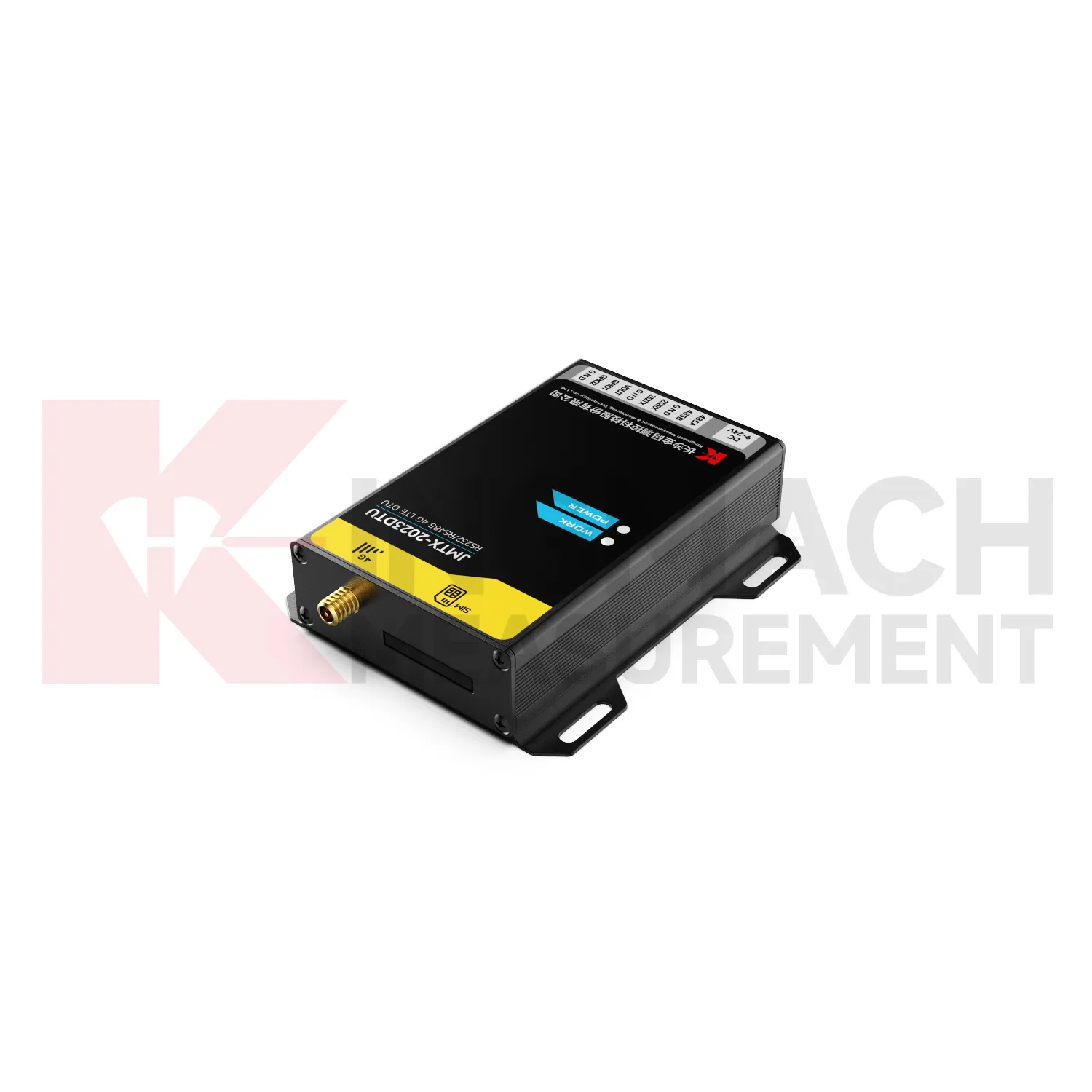
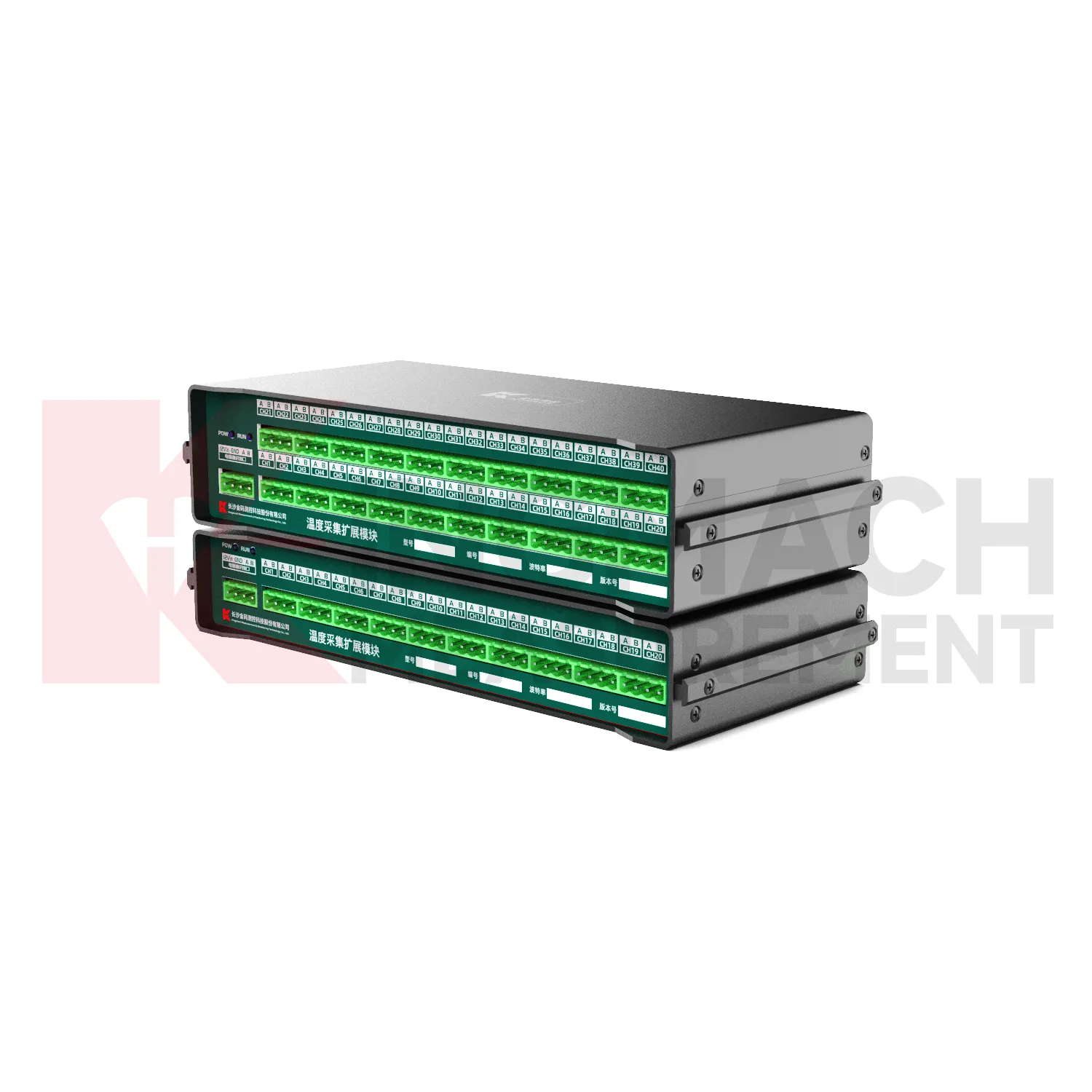
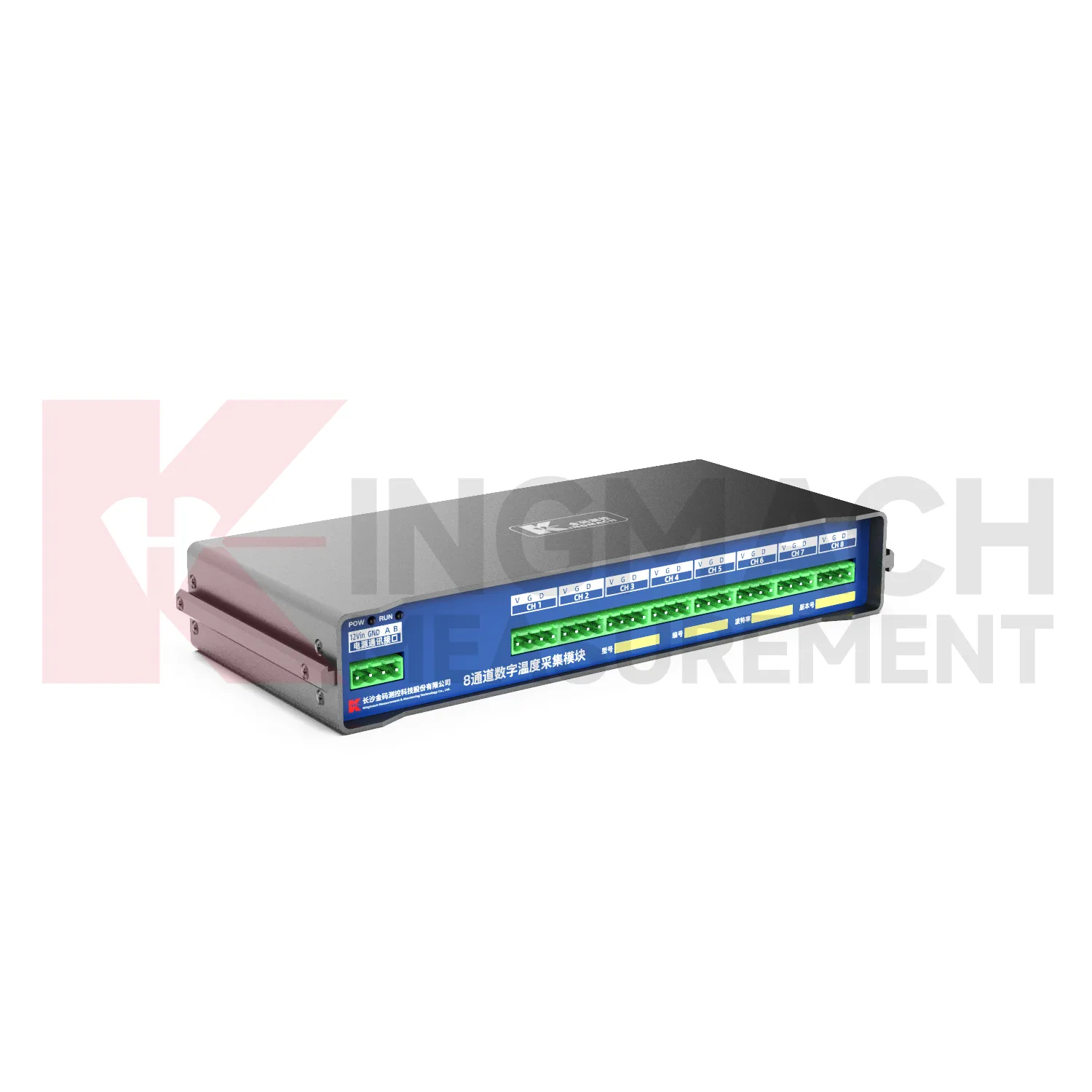
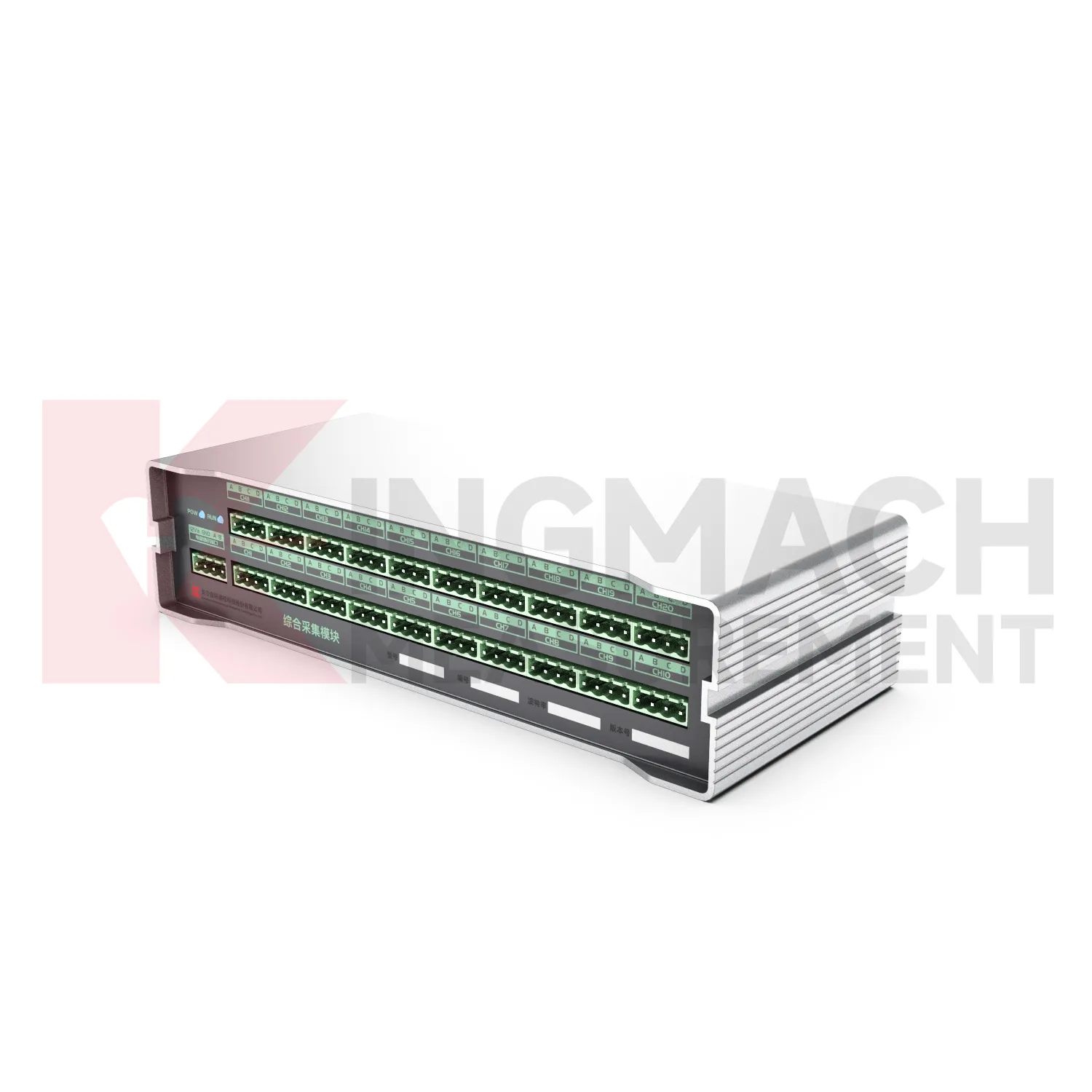
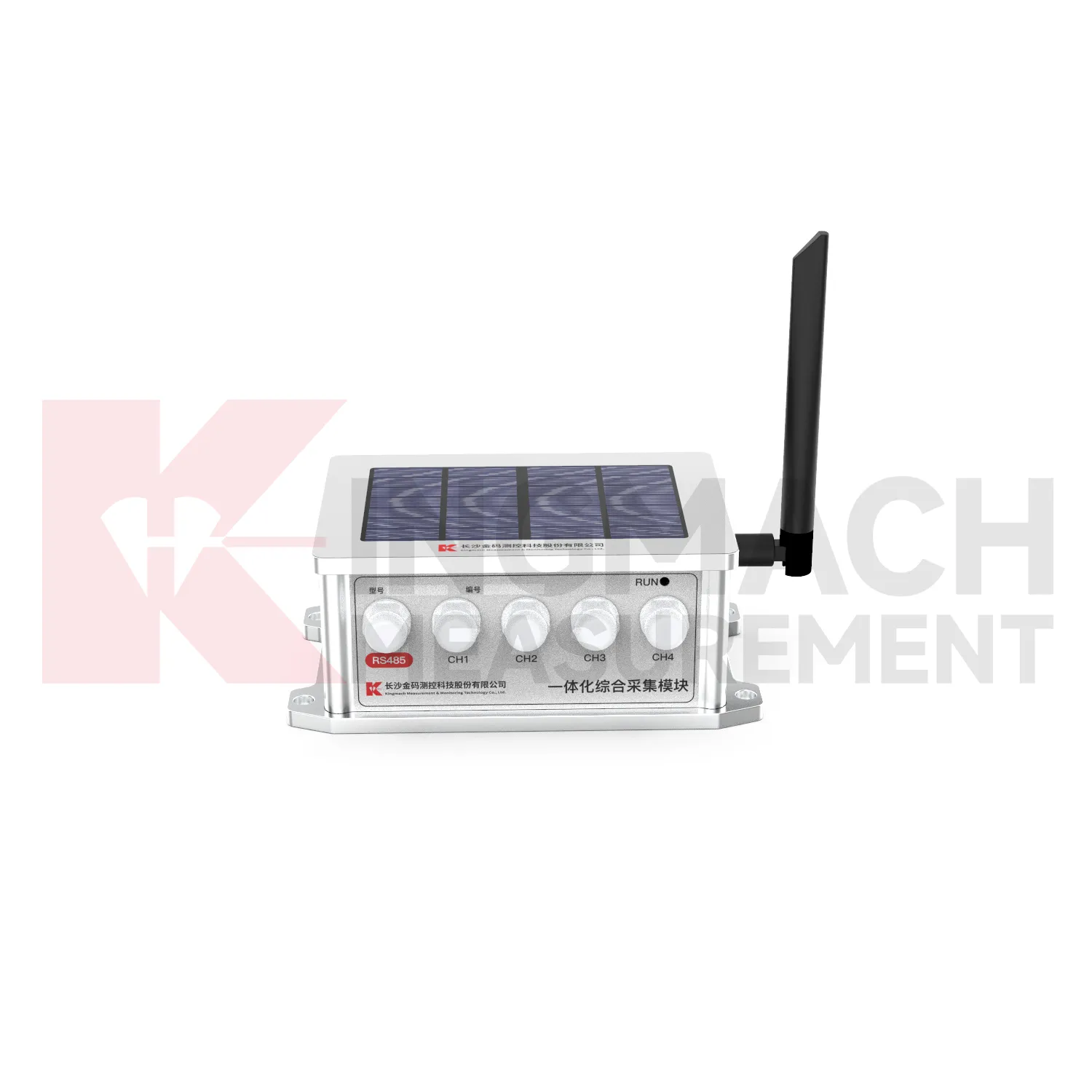
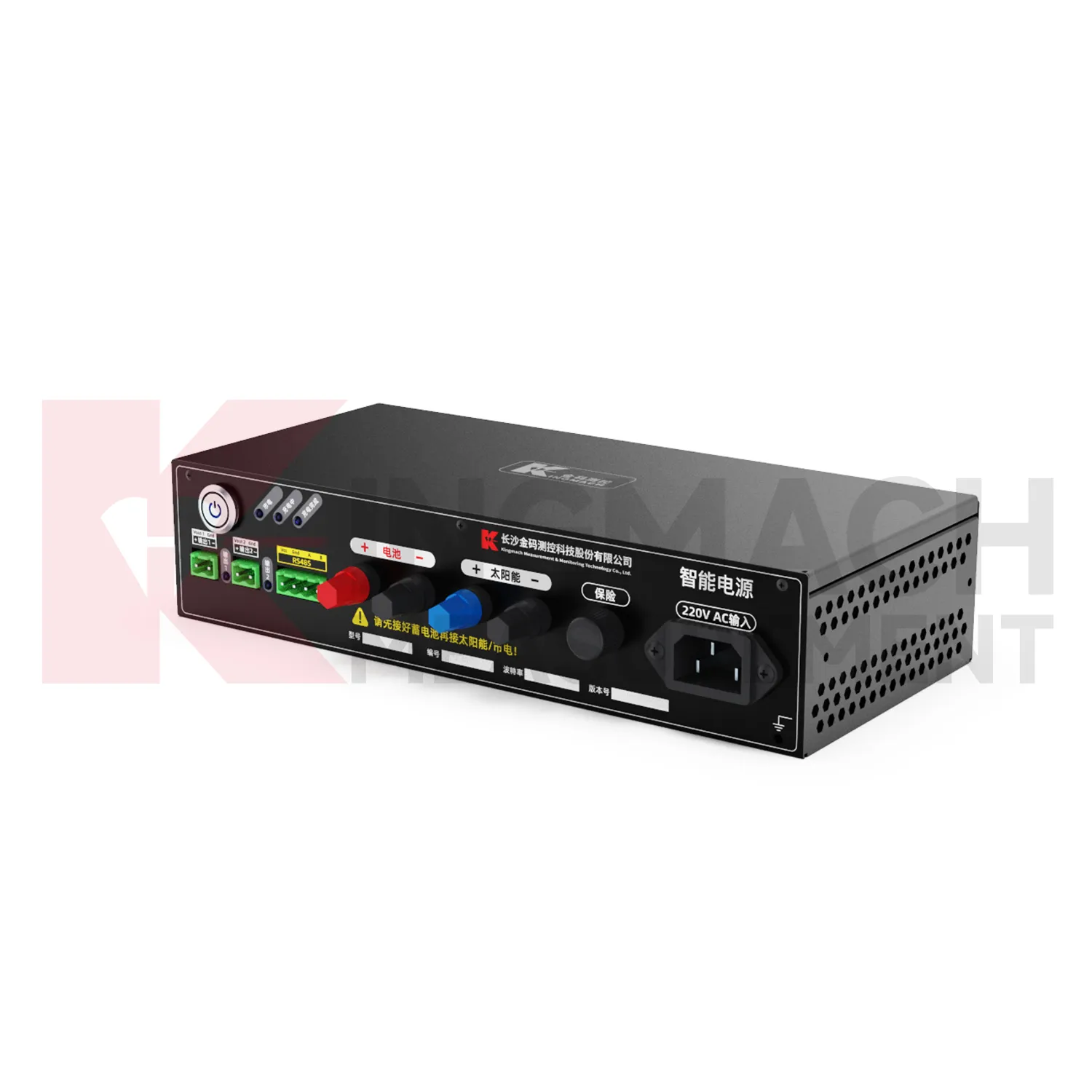
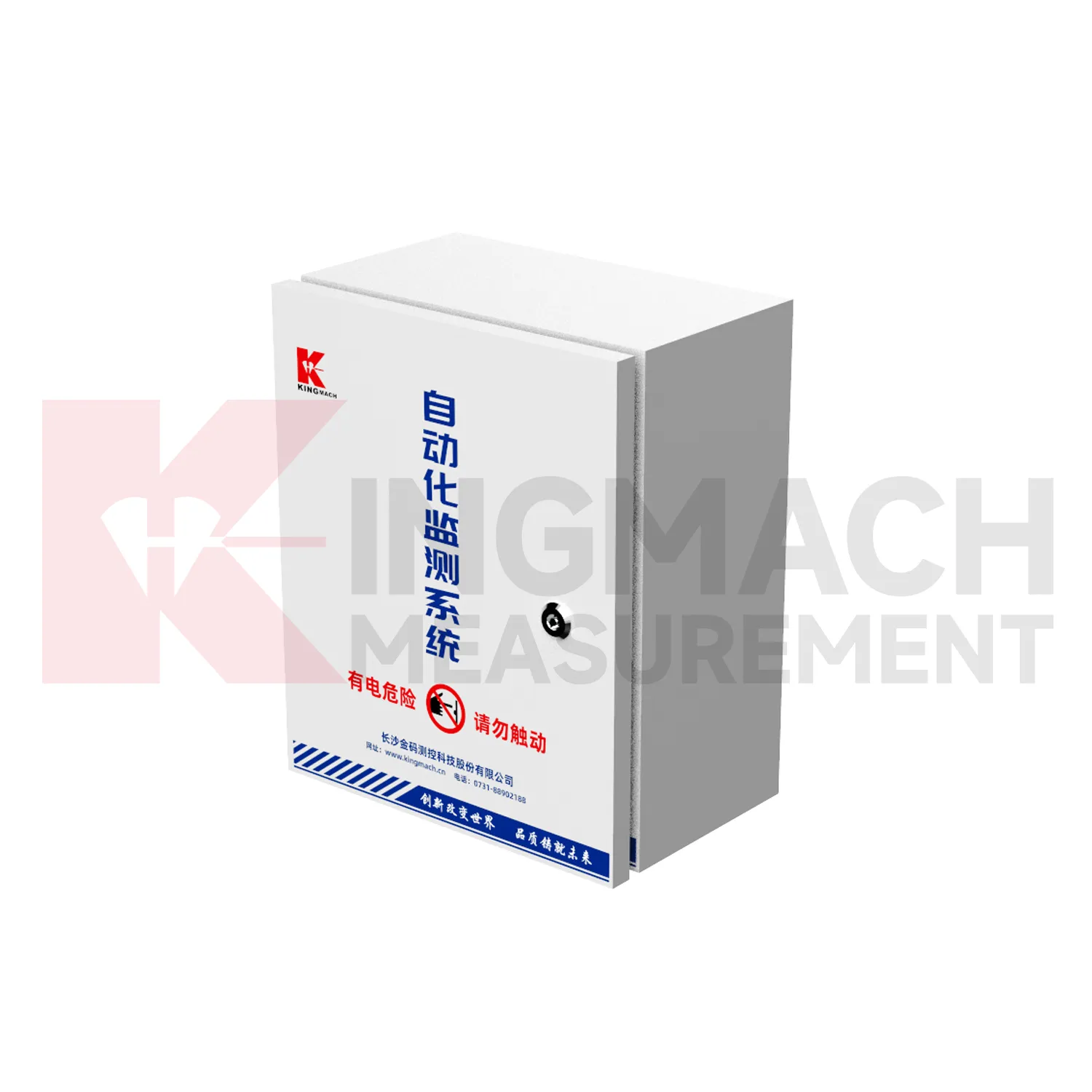
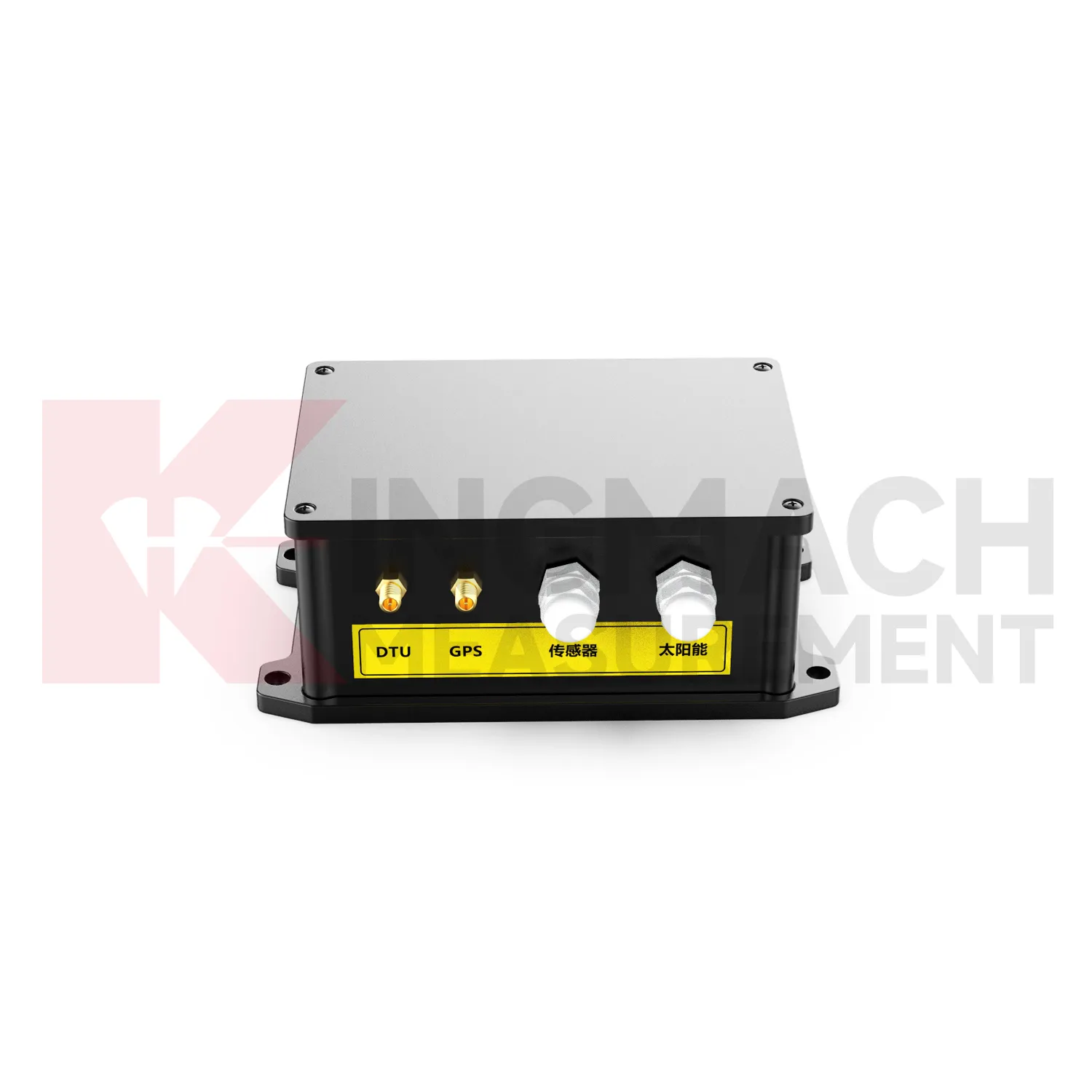
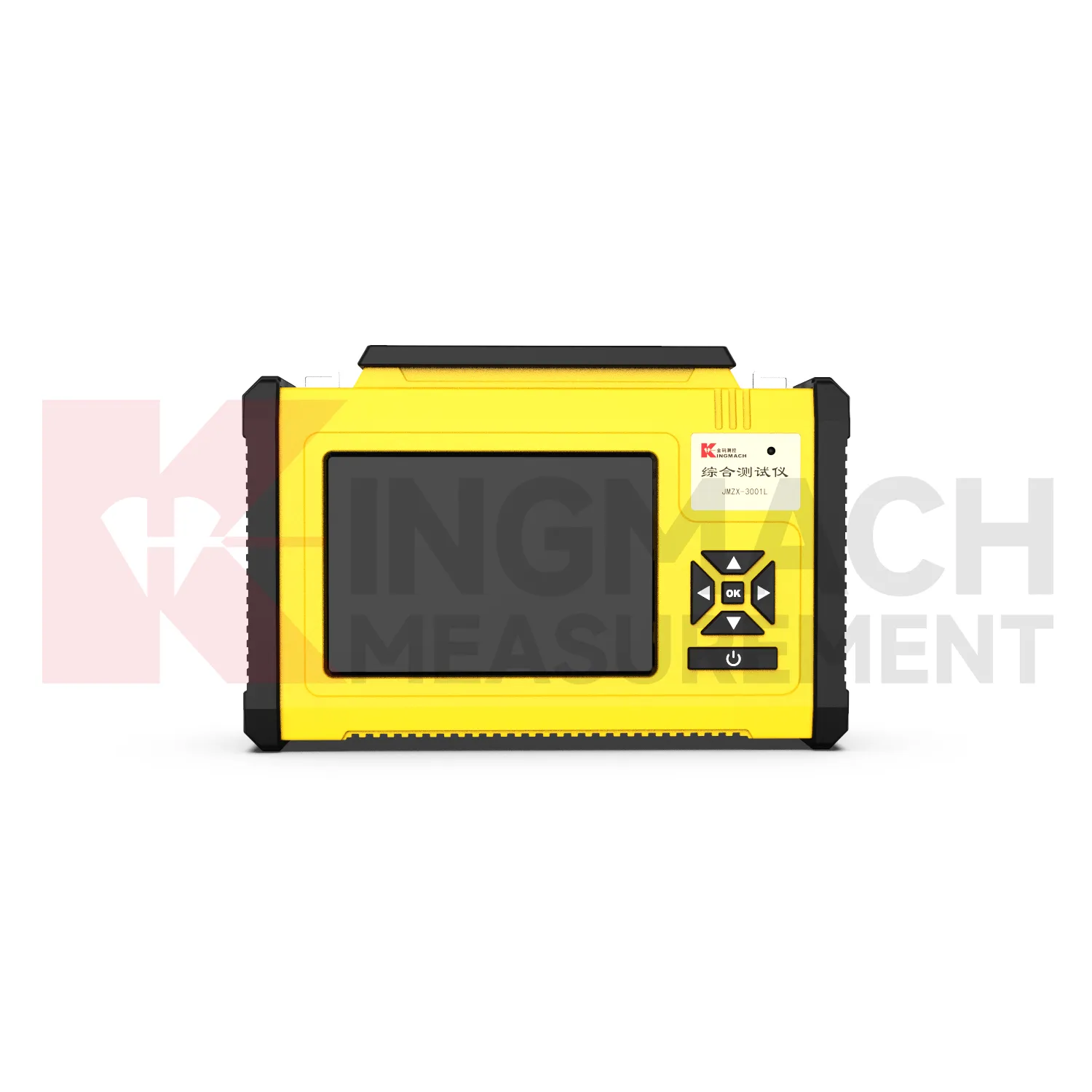
Application of wireless accelerometer data logger
Long-term asset monitoring uses Kingmach wireless accelerometer data logger when owners need records that survive staff changes and maintenance cycles. A bridge, dam, tunnel, slope, or building may keep sensors in service for years. The data logger must support stable acquisition, readable channel names, dependable storage, and practical data export. Readouts remain useful for periodic verification and repair checks. The monitoring plan should include baseline values, normal behavior examples, battery or power checks, communication status, and a clear handover file. Long-term records are most useful when they show not only values, but also the operating condition and maintenance history behind those values. Asset owners should also plan how records are reviewed after repairs, seasonal changes, platform updates, and sensor replacement. If a channel is renamed or a logger is moved, the history should explain the change. This keeps old and new records comparable. A durable acquisition workflow protects the owner from losing technical continuity when contractors, operators, or maintenance teams change over the life of the asset. This is important when monitoring contracts end but the sensors remain in service for inspection, warranty review, repair planning, or annual safety reporting. The logger history becomes part of the asset file, not a temporary construction record.
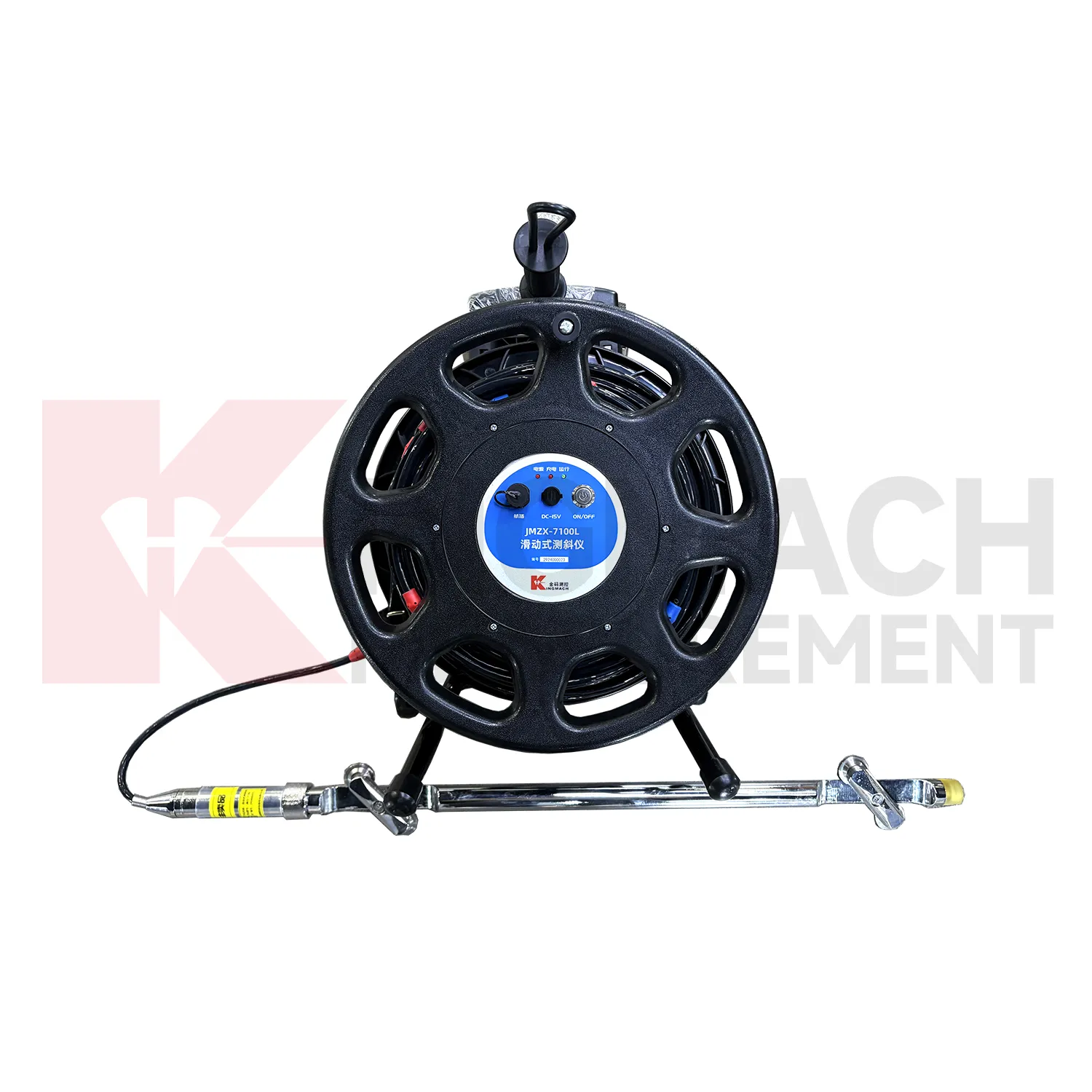
The future of wireless accelerometer data logger
Future Kingmach wireless accelerometer data logger will support higher-quality event records for dynamic monitoring. Bridges, buildings, railway lines, tunnels, machinery foundations, and construction sites may need synchronized channels and clear event timing. Dynamic acquisition will become more useful when the waveform is stored with event name, channel identity, trigger condition, and related site activity. This allows reviewers to compare traffic, blasting, wind, machinery start-up, or impact events with the measured response. The next step is not simply faster acquisition; it is better event context. Future event records can also separate raw waveform storage from reviewed event summaries. Engineers may keep the full file for analysis while owners need a concise record of trigger time, sensor group, event source, and response level. That structure will make repeated events easier to compare without losing the original measurement. This is especially useful for railway passage, blasting review, machinery diagnosis, and bridge vibration testing. later. during review.
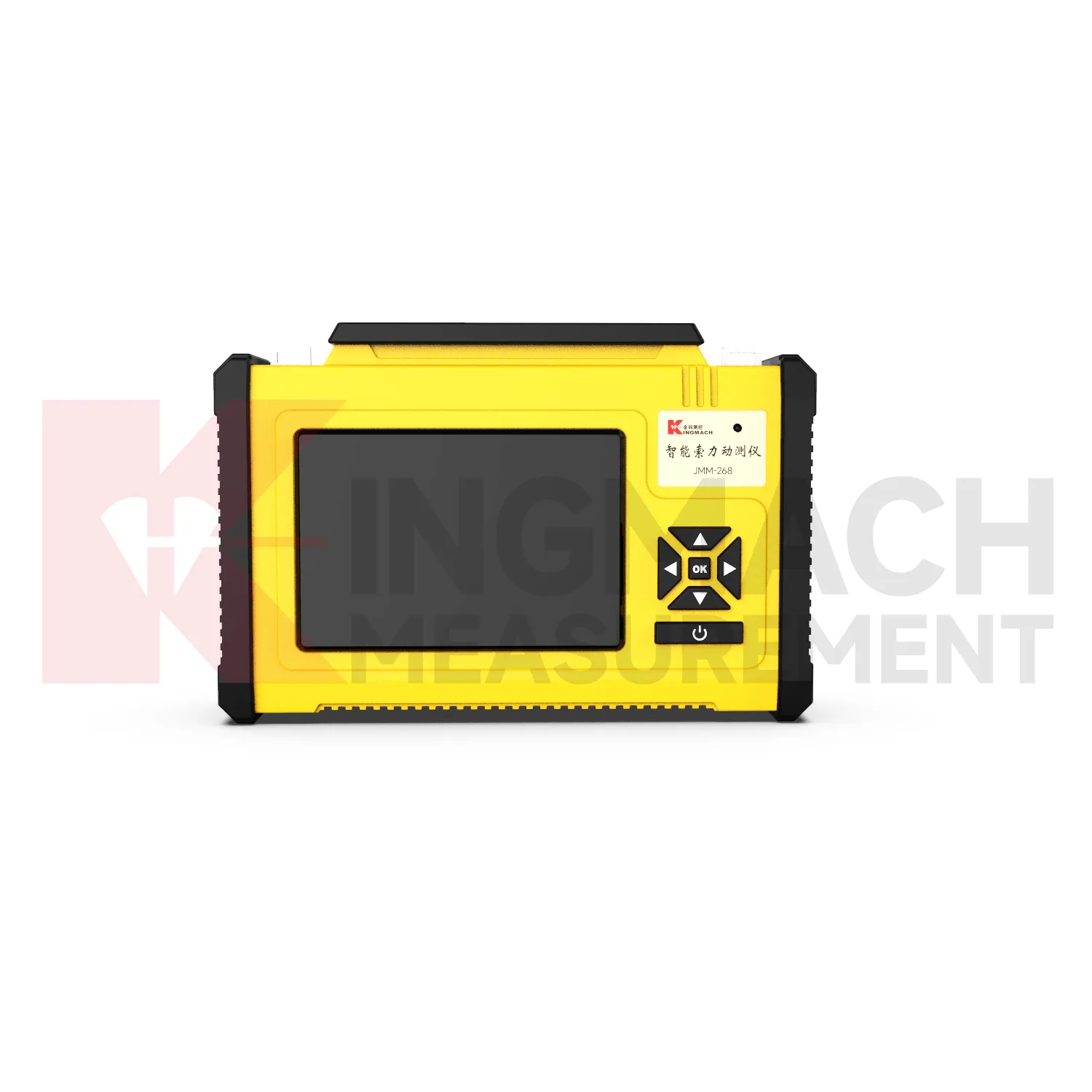
Care & Maintenance of wireless accelerometer data logger
Wireless logger maintenance for Kingmach wireless accelerometer data logger should include communication and access checks. Remote stations may continue collecting locally even when uploads fail, or they may stop because power, antenna position, or platform settings changed. Maintenance teams should review signal status, last upload time, battery condition, local storage, and enclosure condition. If a station is in a slope, dam, tunnel, or bridge area with difficult access, visits should be planned around real device status rather than fixed habit alone. Clear station notes reduce unnecessary trips and protect data continuity. Wireless maintenance should also record whether data was recovered locally after an upload gap. If the platform shows missing records, the field file may still contain stored readings. Checking local storage before replacing parts can save time and preserve the monitoring history. Antenna position, signal quality, and upload schedule should remain visible in the station record. for later review. by owners. consistently.
Kingmach wireless accelerometer data logger
For Kingmach wireless accelerometer data logger, usability in the field is as important as acquisition capability. A device may be technically capable, but it still needs clear operation, readable display, secure connectors, stable power, and a practical method for exporting data. Field crews often work in tunnels, slopes, bridge decks, dam galleries, or construction zones where time and access are limited. A well-planned readout or logger reduces repeated site visits because the operator can confirm the point, store the record, and move on with confidence. This is especially useful when many sensors must be checked in one inspection round. Field usability also depends on small details: charged batteries, clean connectors, readable screen prompts, clear file names, and enough storage before the route begins. When those basics are ready, technicians can spend their time checking sensors instead of troubleshooting the instrument. during each site visit. without avoidable delay. for crews. on site safely. consistently.
FAQ
Q: Where are these devices used?
A: They are used in bridges, tunnels, dams, slopes, buildings, foundation pits, railways, mines, industrial testing, and other monitoring projects.
Q: Why combine readouts with loggers?
A: Readouts confirm field points during visits, while loggers keep collecting data between visits. Together they support both verification and continuity.
Q: What should a remote station show?
A: A remote station should show acquisition status, last upload time, power condition, active channels, storage condition, and recent maintenance history.
Q: How do these devices support reports?
A: They keep readings traceable by time, channel, sensor type, location, and device status so engineers can explain trends and events more clearly.
Q: What causes confusing readings?
A: Loose cables, wrong channel names, weak power, wet enclosures, changed settings, sensor faults, or real site changes can all create confusing records. The record stays useful when point names, channel labels, sensor type, measurement time, and field condition are kept together, because later reviewers can connect the number with the actual structure and inspection history.
Reviews
James Thompson
The tiltmeters and accelerometers are very sensitive and provide precise data. Perfect for our structural health monitoring system.
Ryan Lewis
Fast delivery and excellent product quality. The accelerometers and tiltmeters are highly reliable. Strongly recommend this company.
Latest Inquiries
To protect the privacy of our buyers, only public service email domains like Gmail, Yahoo, and MSN will be displayed. Additionally, only a limited portion of the inquiry content will be shown.
Charlotte***@gmail.comUnited Arab Emirates
Hi, we require instrumentation cables suitable for harsh environments. Could you advise on specifica...
Evelyn***@gmail.comSouth Africa
Hi, we are a contractor working on tunnel construction and need settlement sensors and displacement ...
Related product categories
- Temperature Acquisition Module
- 8-Channel Digital Temperature Acquisition Module
- Comprehensive Readout
- Comprehensive Acquisition Module
- high-speed bus acquisition module
- 8-channel high-speed bus acquisition module
- Dynamic Strain Data logger
- Smart Power Supply Module
- Automated Acquisition Enclosure
- DTU
- wireless data logger
- wireless temperature data logger