
 EN
 ar
 bg
 hr
 cs
 da
 nl
 fi
 fr
 de
 el
 hi
 it
 ko
 no
 pl
 pt
 ro
 ru
 es
 sv
 tl
 iw
 id
 lv
 lt
 sr
 sk
 sl
 uk
 vi
 et
 hu
 th
 tr
 fa
 ms
 hy
 ka
 ur
 bn
 mn
 ta
 kk
 uz
 ku

wireless temperature sensor data logger
Kingmach wireless temperature sensor data logger are often selected when a project needs both confidence in individual sensors and organized data management. A sensor may be accurate, but the record can still become difficult to use if channels are mislabeled, upload intervals are unclear, or field notes are separated from values. Acquisition devices reduce that risk when they keep the measurement process disciplined. A readout can verify the point, a logger can continue collection, and a platform connection can support later review. This is important for dams, bridges, tunnels, slopes, buildings, mines, and civil structures where safety-related interpretation depends on a reliable time history. The device also helps teams detect management problems early. Missing intervals, repeated channel names, unexpected upload gaps, or values stored under the wrong point can weaken confidence even when the sensor is healthy. A disciplined acquisition setup gives each reading a clear origin and makes later review easier for engineers, owners, and maintenance teams. That discipline turns individual sensor signals into a usable project record. In long projects, this is important because construction teams, monitoring specialists, and asset managers may all handle the same data at different times. Clear acquisition discipline keeps their work connected. across project phases. and audits.
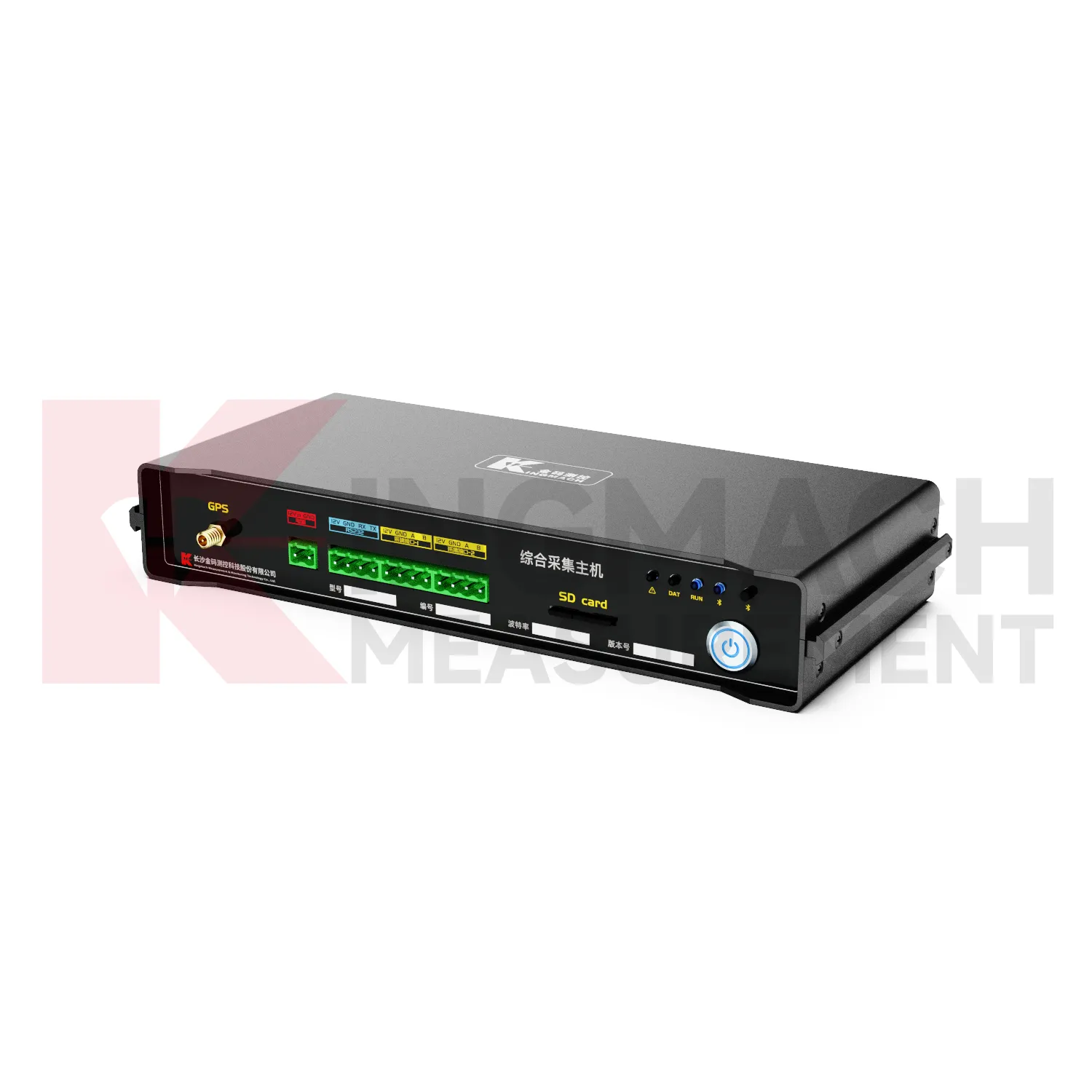
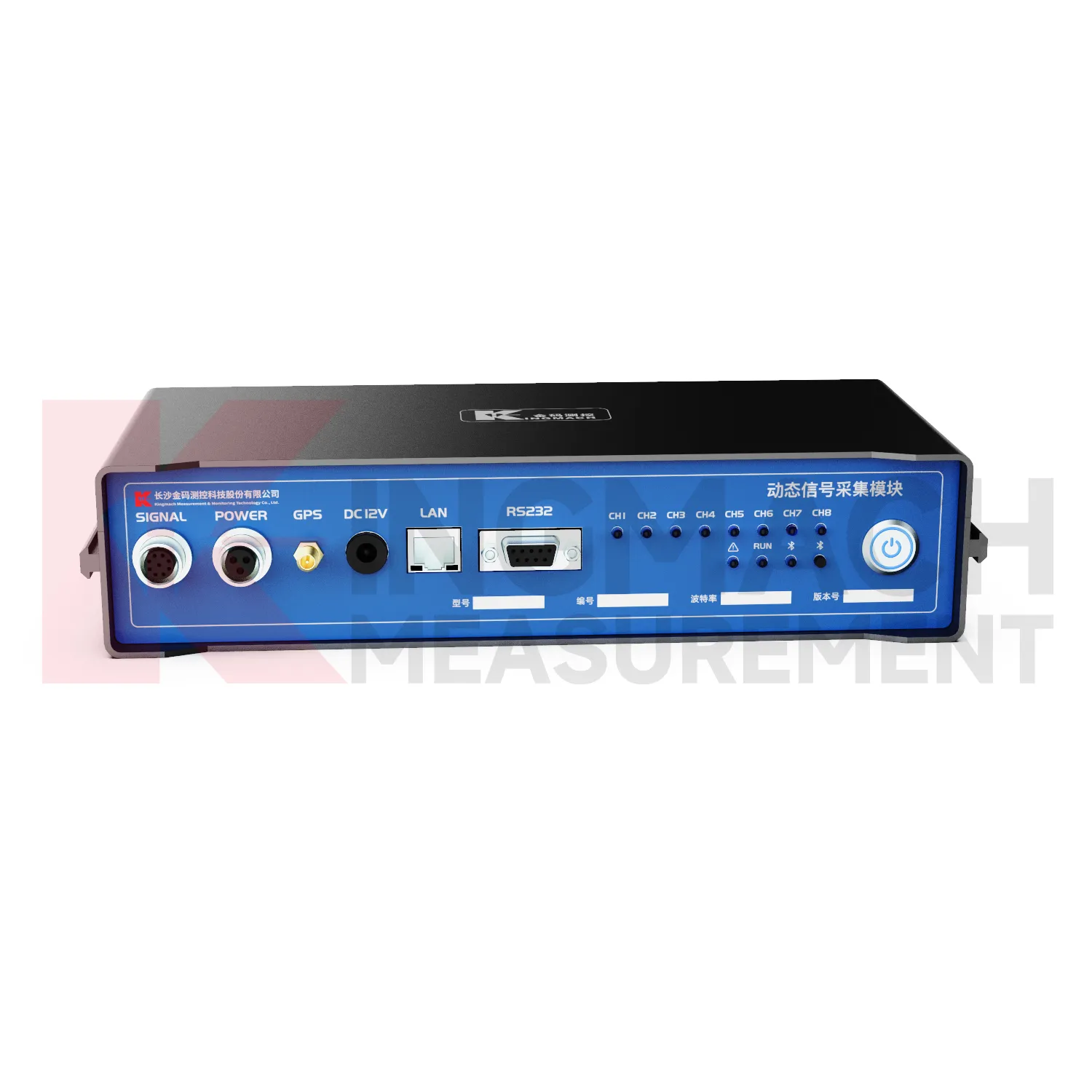
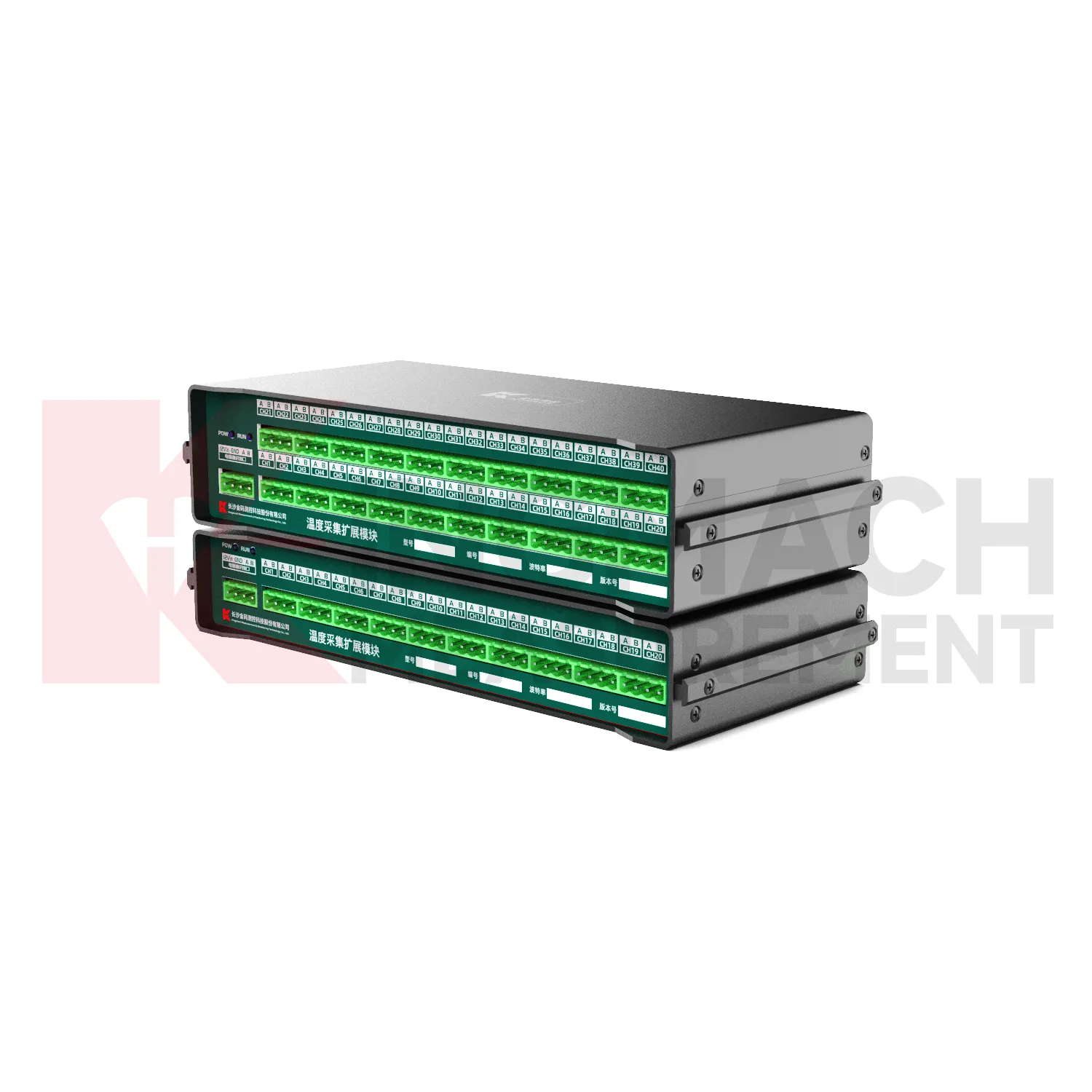
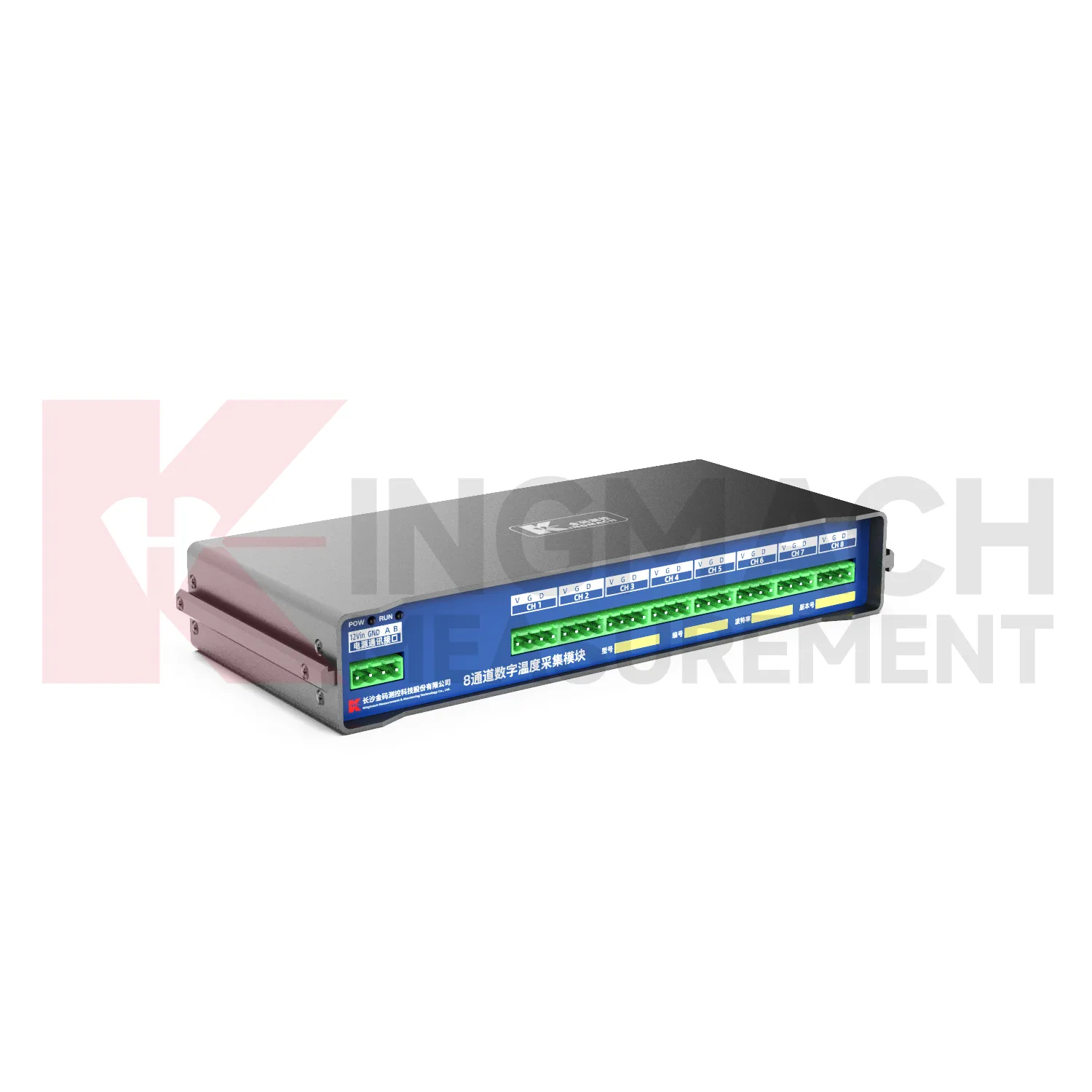
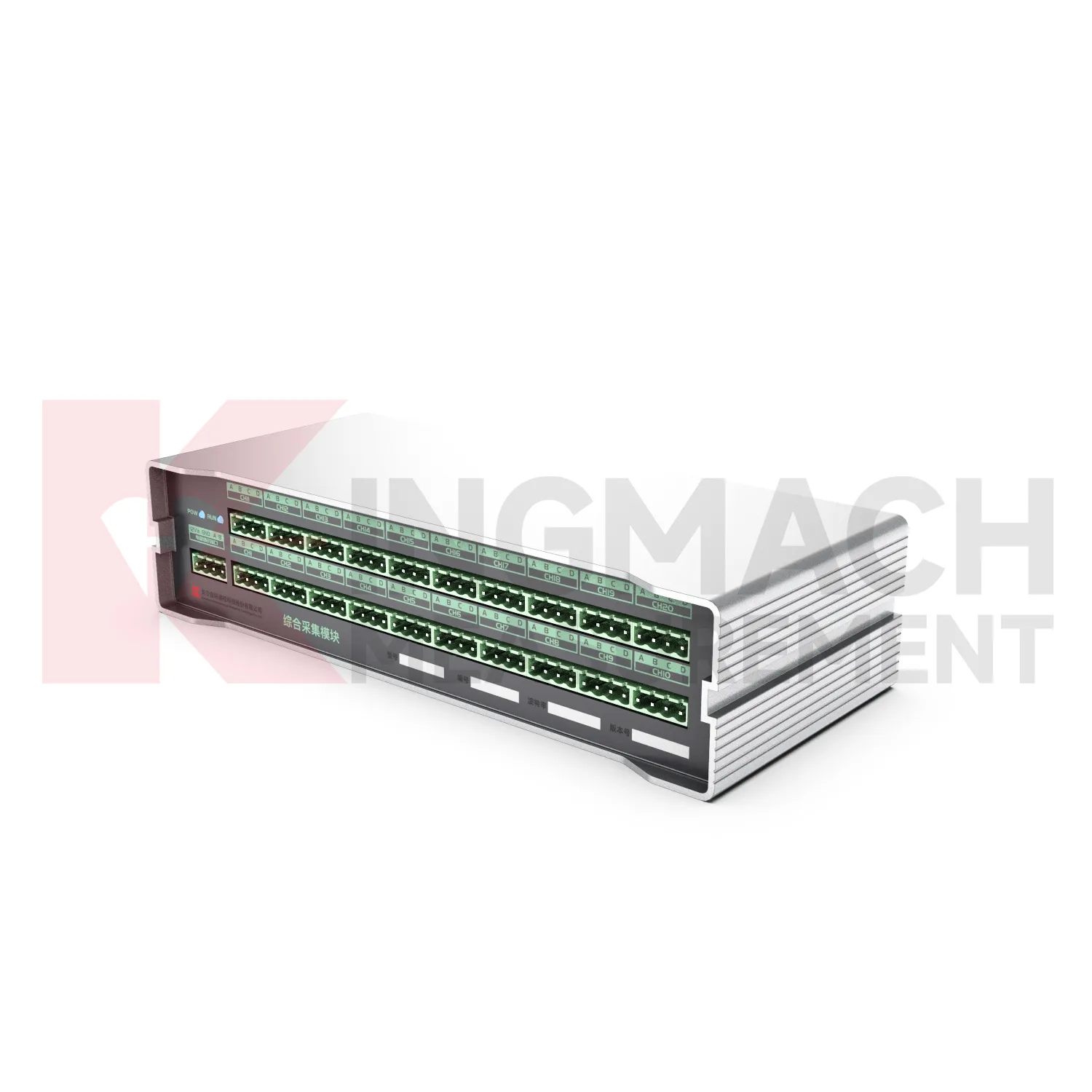
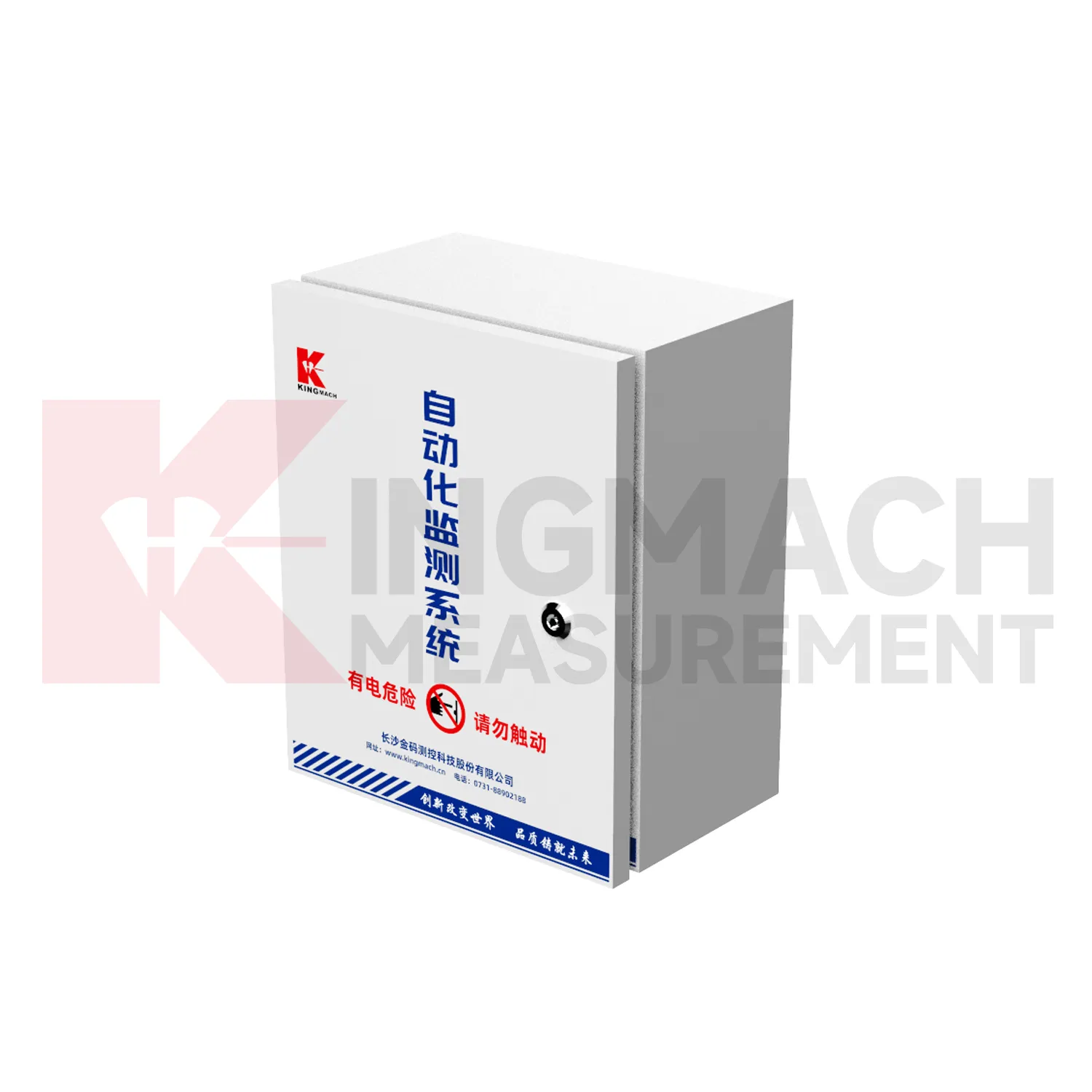
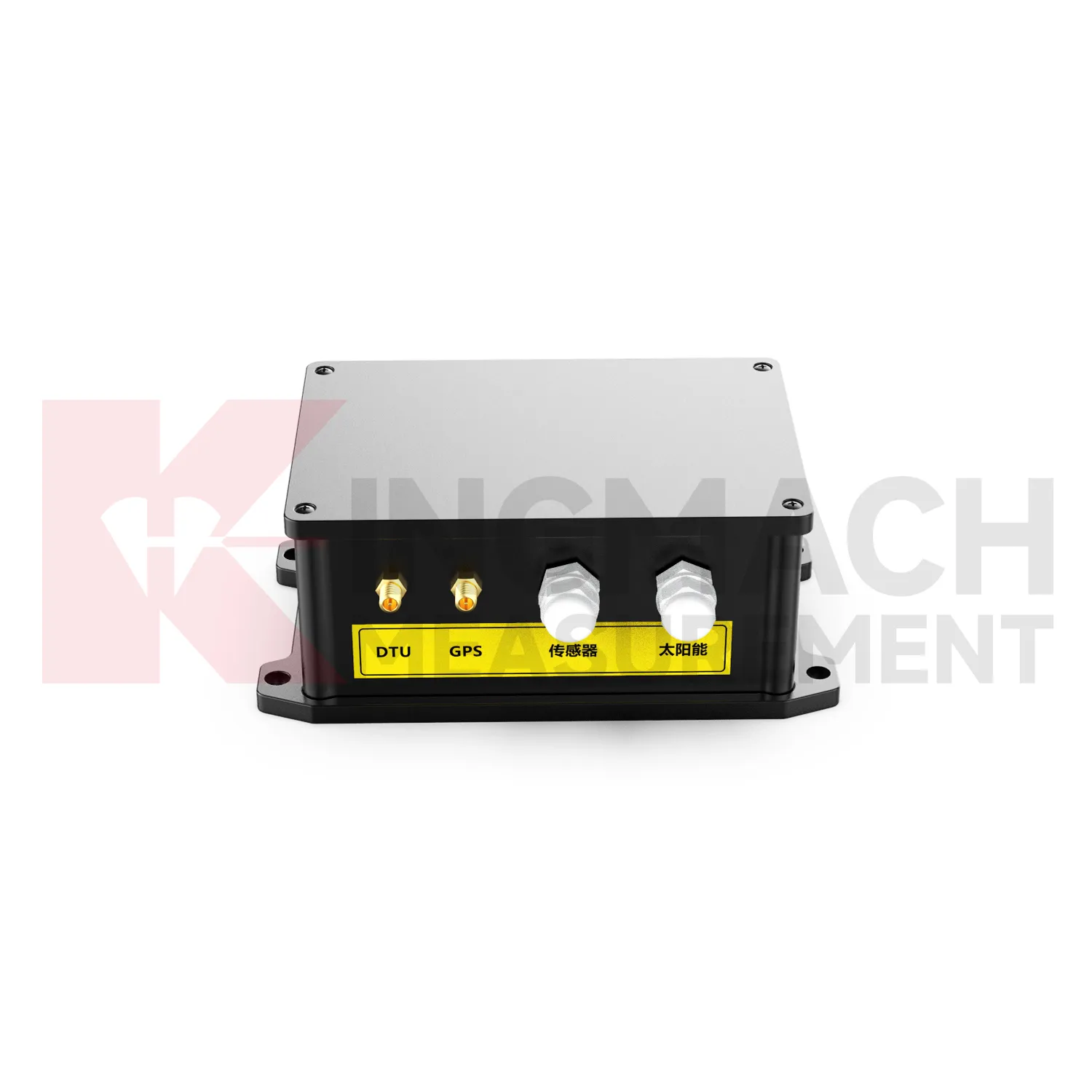
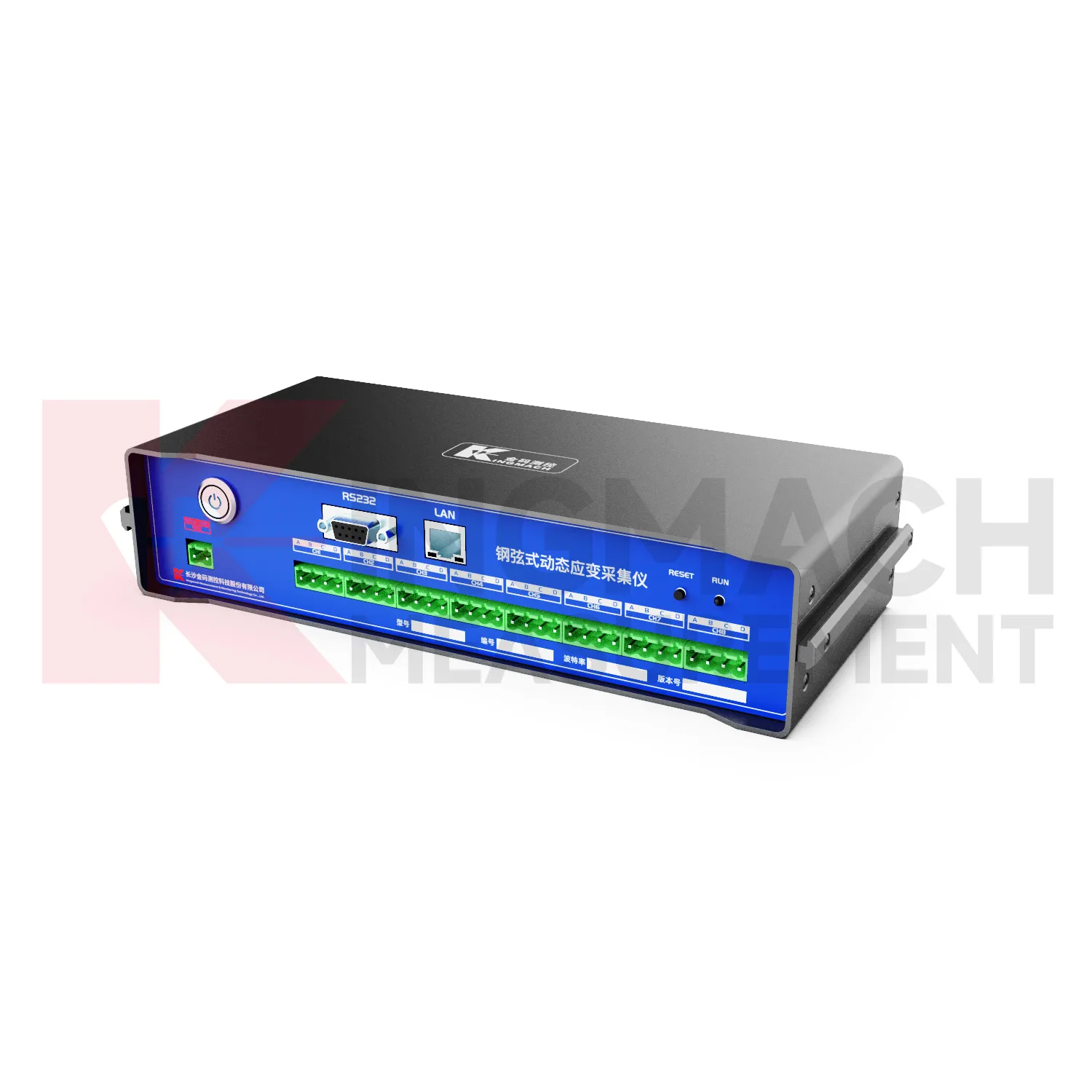
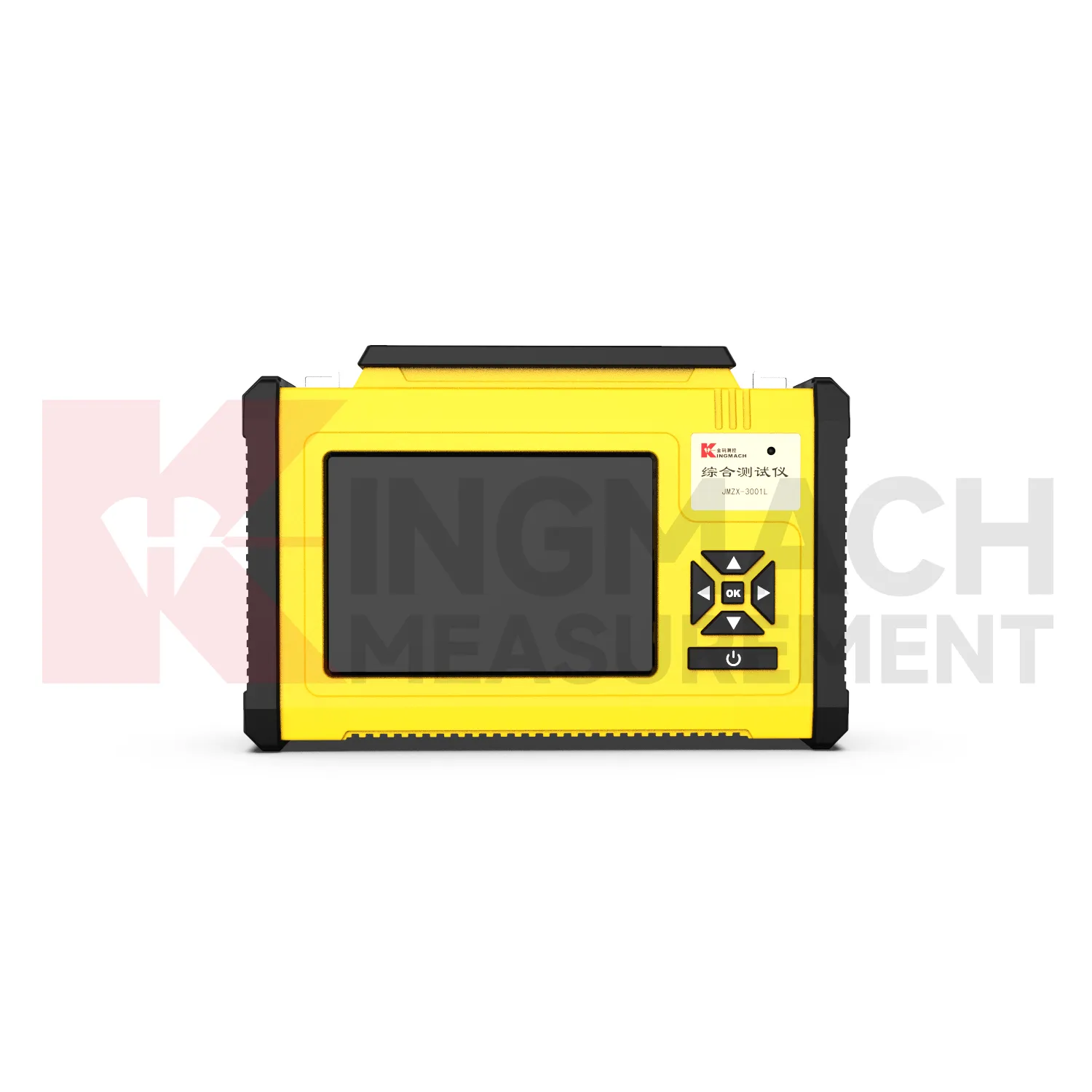
Application of wireless temperature sensor data logger
Long-term asset monitoring uses Kingmach wireless temperature sensor data logger when owners need records that survive staff changes and maintenance cycles. A bridge, dam, tunnel, slope, or building may keep sensors in service for years. The data logger must support stable acquisition, readable channel names, dependable storage, and practical data export. Readouts remain useful for periodic verification and repair checks. The monitoring plan should include baseline values, normal behavior examples, battery or power checks, communication status, and a clear handover file. Long-term records are most useful when they show not only values, but also the operating condition and maintenance history behind those values. Asset owners should also plan how records are reviewed after repairs, seasonal changes, platform updates, and sensor replacement. If a channel is renamed or a logger is moved, the history should explain the change. This keeps old and new records comparable. A durable acquisition workflow protects the owner from losing technical continuity when contractors, operators, or maintenance teams change over the life of the asset. This is important when monitoring contracts end but the sensors remain in service for inspection, warranty review, repair planning, or annual safety reporting. The logger history becomes part of the asset file, not a temporary construction record.
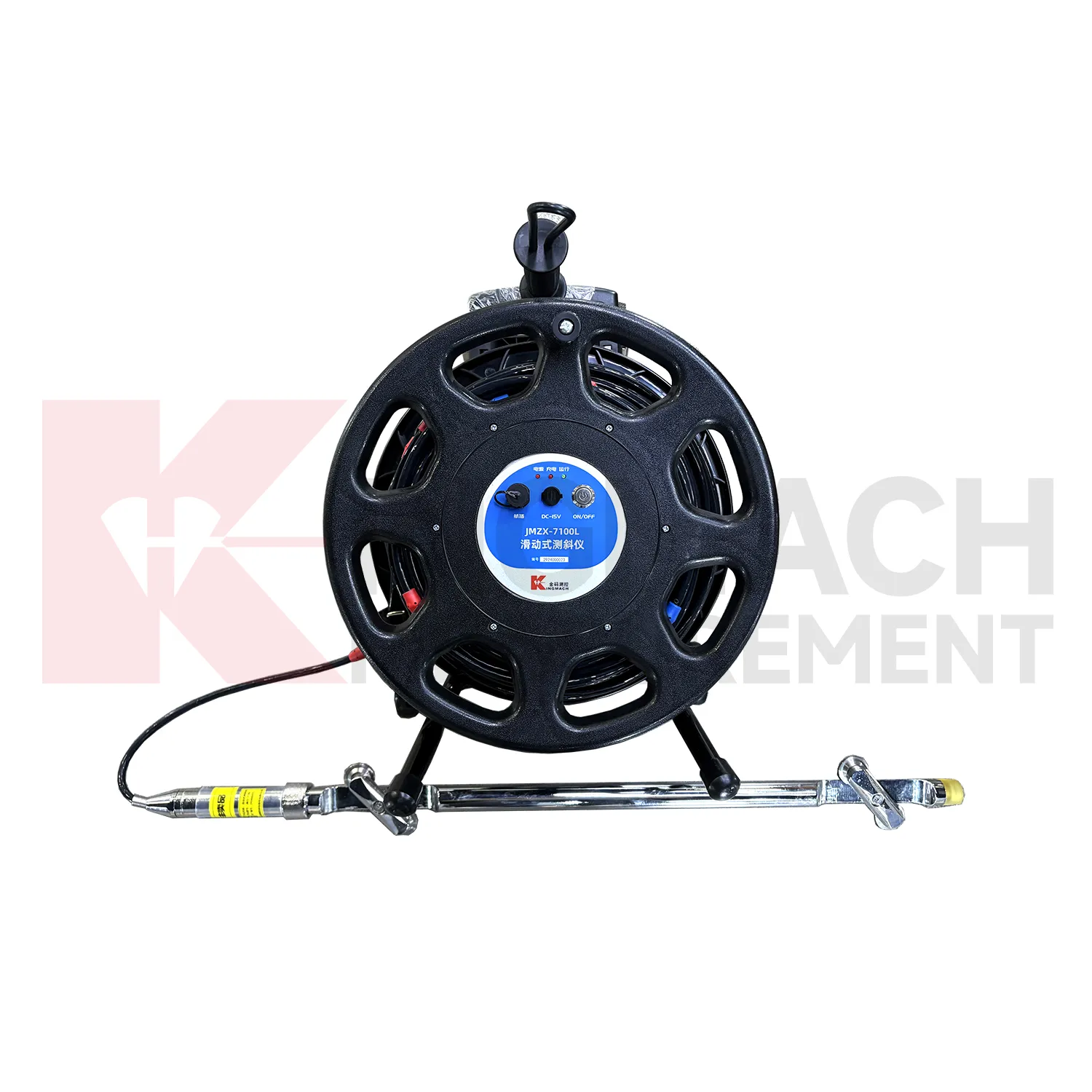
The future of wireless temperature sensor data logger
Future Kingmach wireless temperature sensor data logger will make remote monitoring more practical for unattended structural and geotechnical stations. Low-power acquisition, scheduled measurement, wireless upload, and remote maintenance can reduce repeated site visits. The value is not only convenience; it is continuity during weather events, night work, and restricted access periods. A remote station should show whether it is collecting, uploading, storing, and operating within expected power conditions. When this information is available, engineers can trust the data stream more confidently and plan field visits around actual station needs. Future remote stations can also make maintenance routes more efficient. If a slope logger reports weak battery but stable sensor values, the crew can prepare power service. If a bridge station uploads late after rain, the team can check enclosure and signal condition first. This kind of device context helps field work become more targeted. while protecting data continuity. across remote sites. over time. safely.
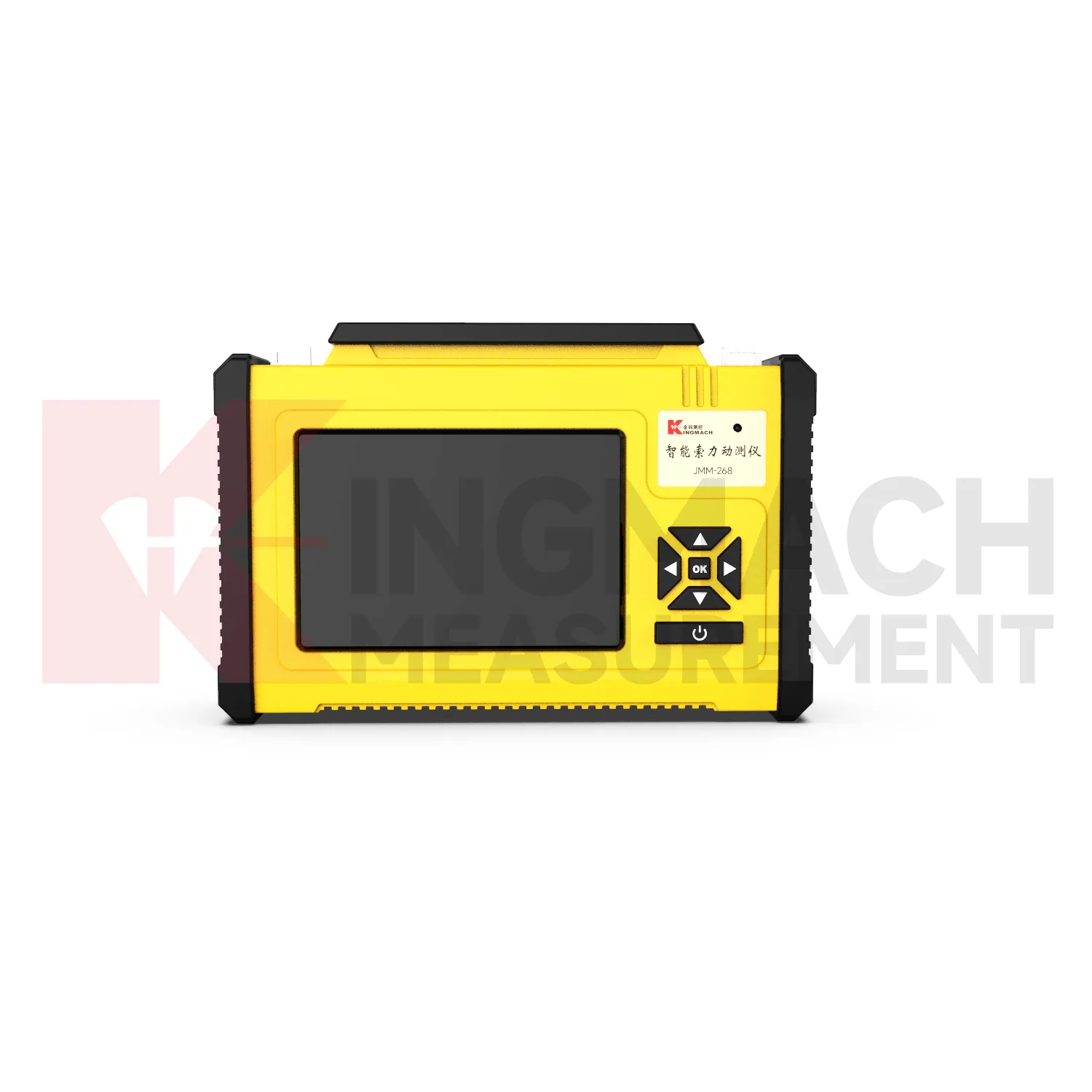
Care & Maintenance of wireless temperature sensor data logger
Data review is part of maintaining Kingmach wireless temperature sensor data logger. Look for missing intervals, repeated flat values, sudden jumps, time drift, channel swaps, upload delays, and readings that do not match field conditions. A data logger may continue operating while still producing a record that needs attention. Reviewers should compare acquisition status with inspection notes, power condition, communication history, and recent site work. If a period is doubtful, mark the reason clearly so later users understand how to treat it. Scheduled review keeps small acquisition problems from becoming long reporting gaps. Review work should include a short action log. If a gap is caused by upload failure, note whether local data was recovered. If a jump is caused by rewiring, note which channel changed. This turns data review into maintenance evidence rather than a private judgment by one reviewer. and supports future audits. across project phases. clearly. for owners. later. consistently.
Kingmach wireless temperature sensor data logger
For Kingmach wireless temperature sensor data logger, usability in the field is as important as acquisition capability. A device may be technically capable, but it still needs clear operation, readable display, secure connectors, stable power, and a practical method for exporting data. Field crews often work in tunnels, slopes, bridge decks, dam galleries, or construction zones where time and access are limited. A well-planned readout or logger reduces repeated site visits because the operator can confirm the point, store the record, and move on with confidence. This is especially useful when many sensors must be checked in one inspection round. Field usability also depends on small details: charged batteries, clean connectors, readable screen prompts, clear file names, and enough storage before the route begins. When those basics are ready, technicians can spend their time checking sensors instead of troubleshooting the instrument. during each site visit. without avoidable delay. for crews. on site safely. consistently.
FAQ
Q: What are Readouts & Data Loggers used for?
A: They collect, display, store, and transfer sensor readings so engineering teams can review monitoring data from structural, geotechnical, and industrial projects.
Q: How are readouts different from data loggers?
A: Readouts are often used for field checking and portable measurement, while data loggers support automatic acquisition, scheduled records, and longer monitoring periods.
Q: Which sensors can be connected?
A: The category can support vibrating wire sensors, digital RS485 sensors, temperature points, dynamic signals, strain instruments, displacement sensors, tilt sensors, and other monitoring devices depending on the model.
Q: Why is channel naming important?
A: Clear channel names connect each reading with the correct sensor, location, structure, and review purpose, which prevents confusion during reporting and handover.
Q: What should be checked before purchase?
A: Buyers should define sensor type, channel count, acquisition interval, power supply, communication method, storage needs, site access, and reporting workflow.
Reviews
Andrew Lee
The visualization software is intuitive and powerful. It helps us analyze monitoring data efficiently.
Matthew Garcia
Instrumentation cables are durable and perform well even in harsh environments. Will definitely order again.
Latest Inquiries
To protect the privacy of our buyers, only public service email domains like Gmail, Yahoo, and MSN will be displayed. Additionally, only a limited portion of the inquiry content will be shown.
Isabella***@gmail.comGermany
Hello, we are evaluating weir flow meters for a water management project. Please share accuracy deta...
Olivia***@gmail.comUnited States
Hello, we are currently sourcing high-precision strain gauges and load cells for a bridge monitoring...
Related product categories
- temperature acquisition module
- wireless acquisition module
- modular automation acquisition
- Multi-channel integrated data acquisition module
- Comprehensive Acquisition Host Unit
- Dynamic signal conditioning module
- Dynamic signal acquisition module
- Temperature Acquisition Expansion Module
- Temperature Acquisition Module
- 8-Channel Digital Temperature Acquisition Module
- Comprehensive Readout
- Comprehensive Acquisition Module