
 EN
EN
 ar
ar bg
bg hr
hr cs
cs da
da nl
nl fi
fi fr
fr de
de el
el hi
hi it
it ko
ko no
no pl
pl pt
pt ro
ro ru
ru es
es sv
sv tl
tl iw
iw id
id lv
lv lt
lt sr
sr sk
sk sl
sl uk
uk vi
vi et
et hu
hu th
th tr
tr fa
fa ms
ms hy
hy ka
ka ur
ur bn
bn mn
mn ta
ta kk
kk uz
uz ku
ku
strain gauge transducer
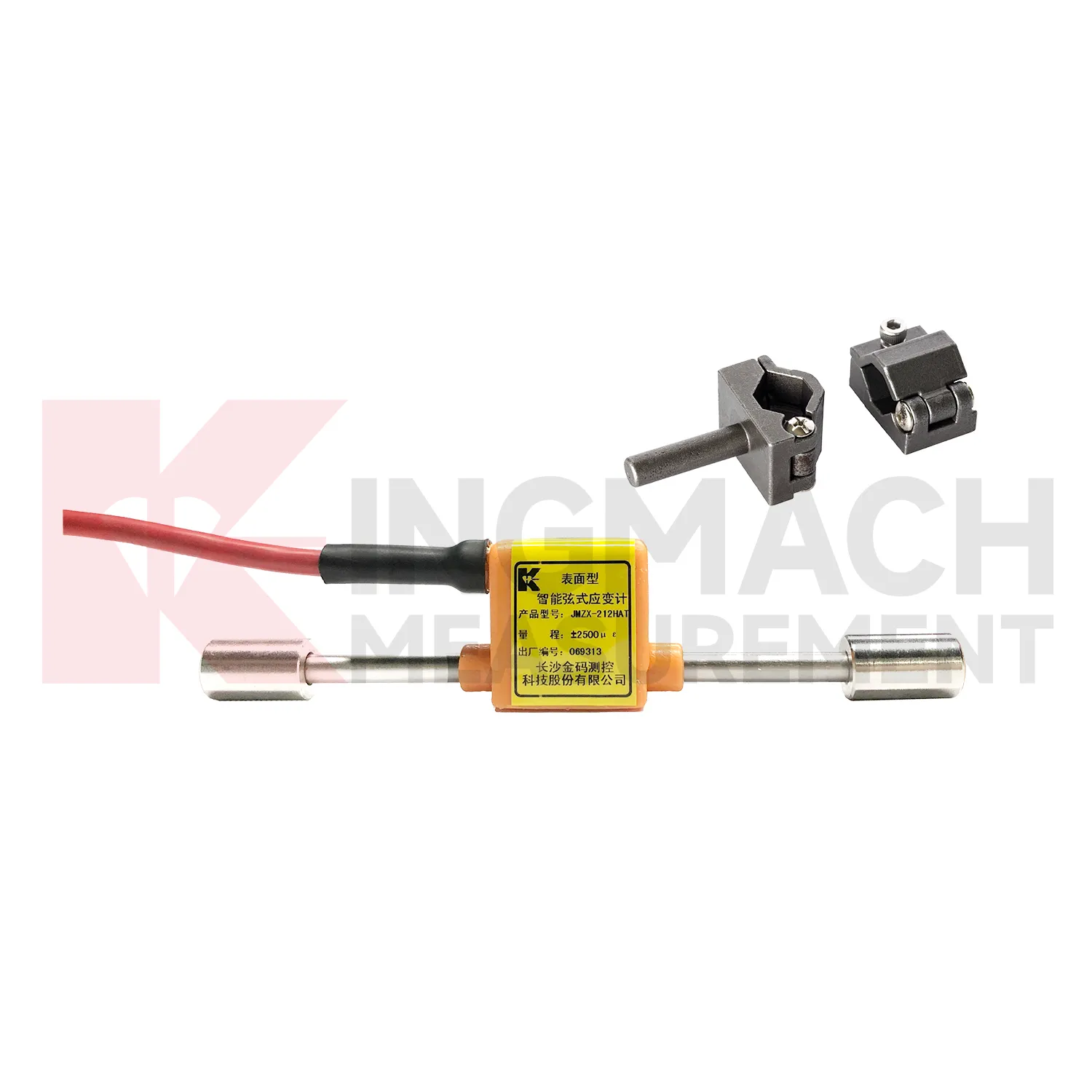
When buyers compare {keyword}, they often look for accuracy, range, waterproofing, installation method, and data output. Kingmach's strain gauge range answers those points with models for surface mounting, embedment, welded steel surfaces, and rebar stress measurement. The JMZX-212HAT/HB surface model reaches ±2500 microstrain with 0.5%F.S. accuracy and 0.1 microstrain resolution. The JMZX-215HA/215HAT/HB embedded model is designed for concrete internal strain and uses a lightweight, high sensitivity structure that can observe shrinkage and creep during early concrete setting. The JMZX-4XXHAT/HB rebar strainmeter covers -200 MPa to 350 MPa with 2 MPa waterproof performance. These specifications help engineers match product form to the monitoring point, whether the concern is steel surface stress, concrete internal strain, reinforcement stress, or automated long term data collection. These parameters help engineers avoid overgeneral selection. A surface model, embedded model, welded model, and rebar strainmeter solve different installation problems, so the final decision should consider material, access, concrete stage, steel surface condition, and expected service life. For field teams, those details also shape installation tools, spare cable length, readout selection, and protection work. They also help the owner decide whether manual reading, scheduled logging, or unattended monitoring is the better operating method.
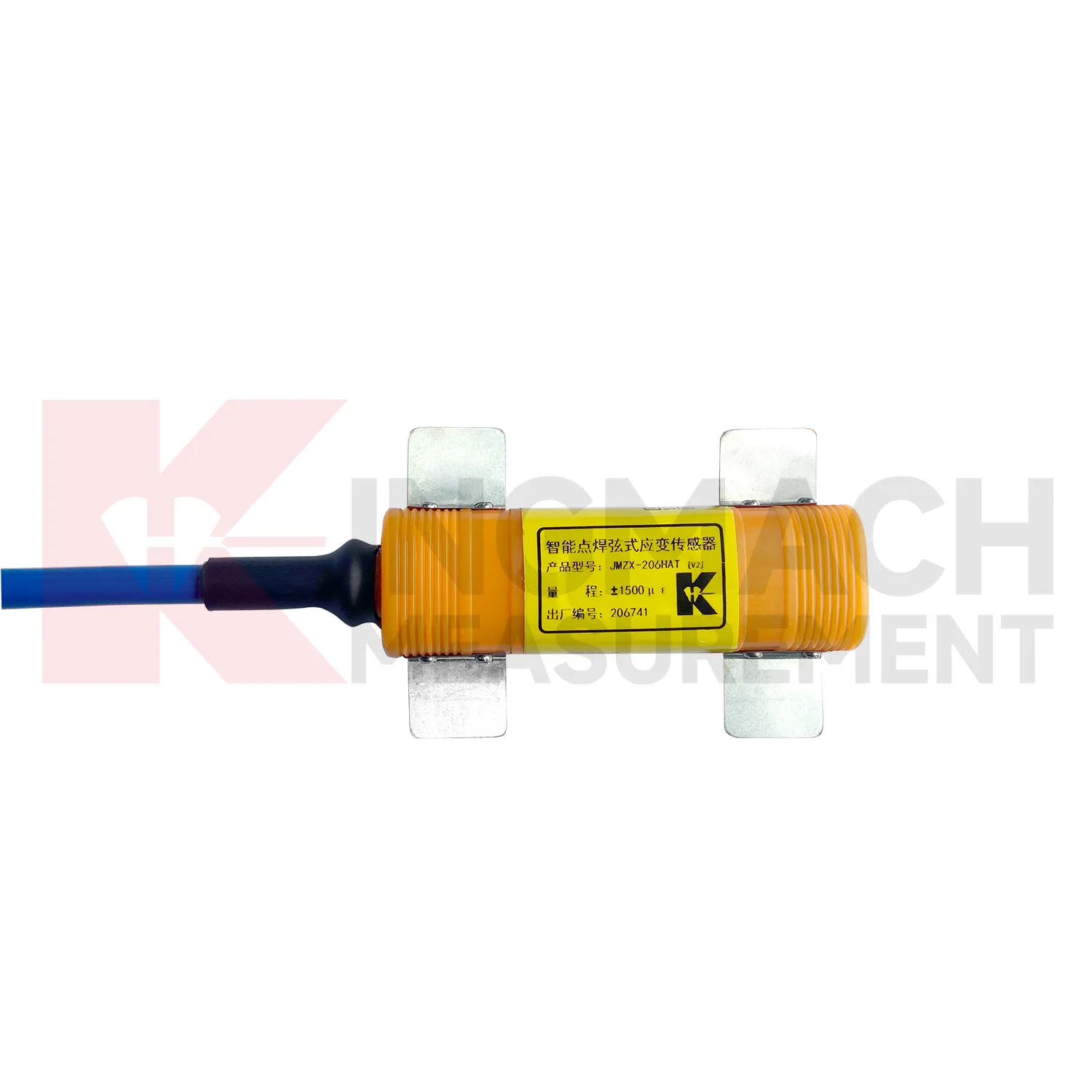
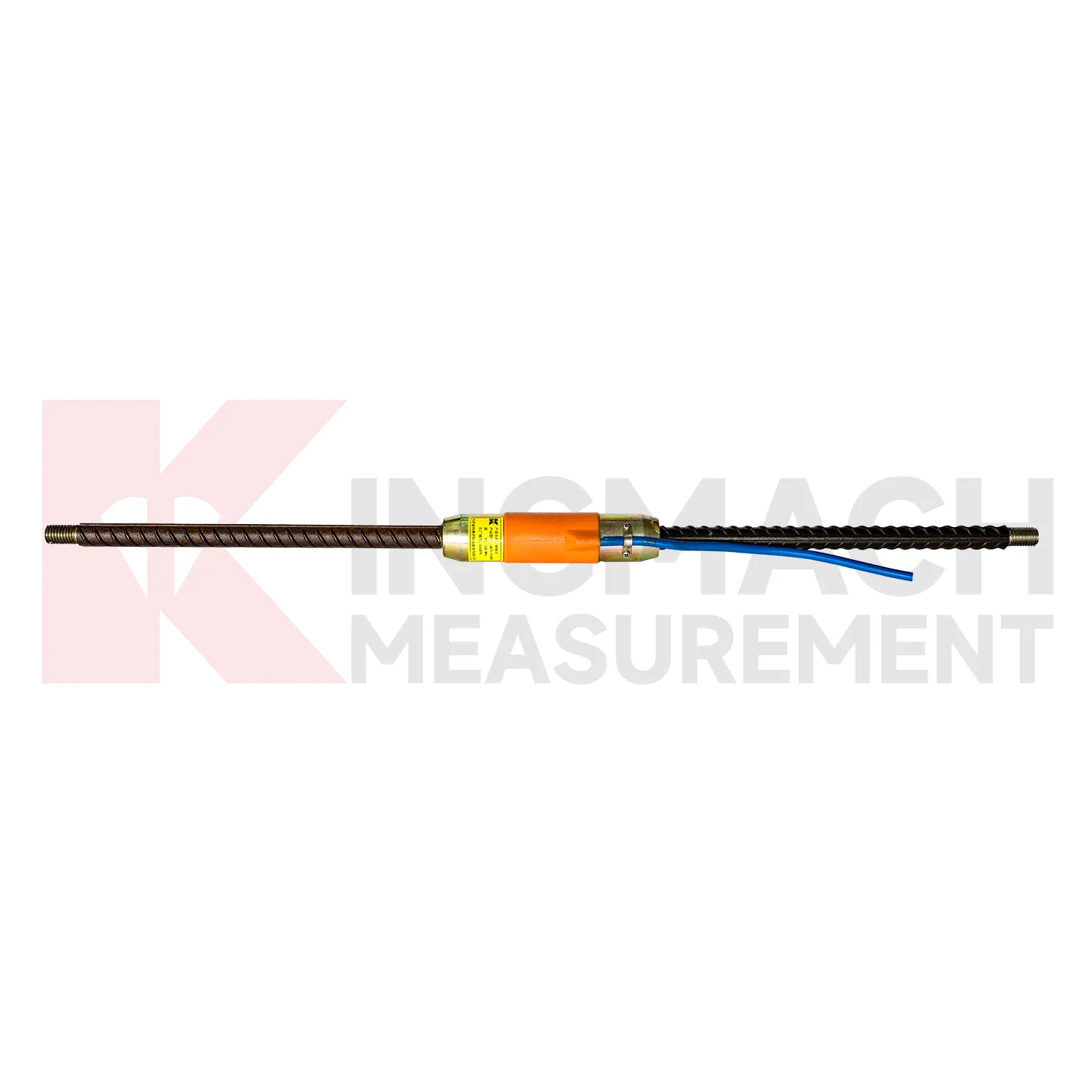
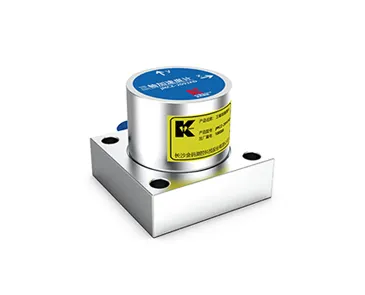
Application of strain gauge transducer
For slope, retaining wall, and foundation pit monitoring, {keyword} can be used on anchor rods, steel braces, retaining piles, reinforcement cages, or concrete support structures. These projects need early warning on stress redistribution, crack extension, support overload, and ground movement effects. Kingmach JMZX-4XXHAT/HB rebar strainmeters measure reinforcement stress across -200 MPa to 350 MPa with 0.1 MPa sensitivity and 0.5%F.S. accuracy, while the waterproof structure reaches 2 MPa. That makes the product suitable for buried or wet reinforced concrete members where ordinary surface checks are not enough. In deep excavation, strain data can be reviewed with displacement meters, tiltmeters, settlement sensors, and water level data. The combined record helps engineers decide whether support members are carrying load safely during each construction stage. Kingmach systems can pair the strain point with automated acquisition, which reduces manual reading work in locations that are dangerous, remote, or disruptive to access. That is often the difference between occasional checks and a useful monitoring record. When data is collected automatically, engineers can compare daily movement instead of relying on occasional manual readings. This gives the project team a better way to separate normal behavior from a change that needs inspection.
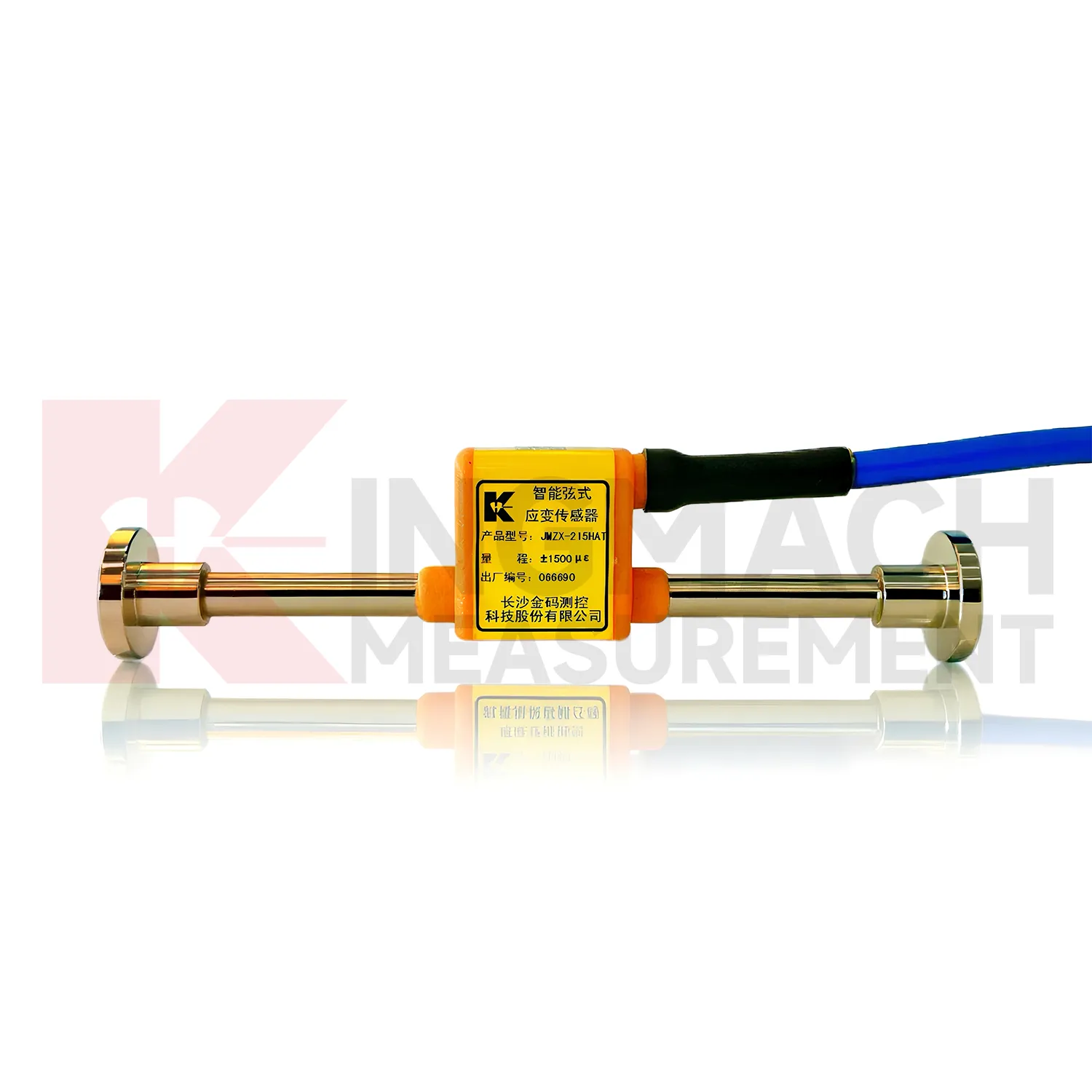
The future of strain gauge transducer
The future of {keyword} will move toward connected monitoring rather than isolated readings. Kingmach already pairs vibrating wire strain gauges with comprehensive readouts, automated acquisition systems, wireless loggers, DTUs, and cloud platforms. The next step is cleaner integration with IoT networks, where strain readings from bridges, tunnels, dams, and buildings can be checked beside displacement, settlement, vibration, temperature, and water pressure. 5G, LoRa, and low power edge devices will make remote projects easier to manage, especially on slopes, reservoirs, and transport corridors. The sensor still has to be installed correctly; technology will not fix poor bonding or a damaged cable. But better diagnostics, channel maps, and data timestamps can help engineers find problems earlier and keep long term records easier to trust. For Kingmach, that direction fits its existing mix of sensors, automated systems, and smart monitoring platforms. The product can stay close to field measurement while the data path becomes more connected.
Care & Maintenance of strain gauge transducer
Data logger and readout care affects {keyword} performance in the field. Kingmach gauges can work with comprehensive readout units and automated acquisition systems, allowing physical values or vibrating wire frequency to be displayed. During installation, confirm channel order, units, excitation settings, temperature compensation, and sensor type. During use, check power supply, grounding, communication status, memory capacity, and time synchronization. For remote projects, inspect DTU or wireless logger signal strength and backup storage after storms or power cuts. Many false alarms begin with acquisition issues rather than real structural change. A regular check of logger health, cable terminals, and channel names keeps the strain data usable for engineering review. When readings change sharply, the first response should be a calm check of site events, nearby channels, and hardware condition before any costly repair is planned. Keep these checks in the project log. Review the channel after major site work. Replace damaged protection before water reaches the connection.
Kingmach strain gauge transducer
{keyword} helps turn the hidden movement of a loaded member into usable engineering data. A bridge girder may flex under traffic, a tunnel lining may respond to ground pressure, and a concrete foundation may shrink or creep during curing. These changes are small, but they matter. Kingmach strain monitoring products are built for this kind of work, with vibrating wire designs, smart acquisition compatibility, and models for surface, embedment, welded, and rebar installation. The same measurement logic also applies when strain readings feed meters, rosettes, load related sensors, or acquisition devices in one monitoring network. What matters is the measured relationship between material deformation and the record that guides inspection, maintenance, and safety review. Whether the monitored point is a vibrating wire sensor, rebar stress meter, or strain based force device, the purpose remains measured structural response. That field record supports later inspection.
FAQ
Q: Where is {keyword} used in bridge monitoring?
A: It can be installed on girders, decks, steel beams, reinforcement, piers, and other stress sensitive locations to track traffic load and fatigue behavior.
Q: How does it help tunnel monitoring?
A: Embedded or welded gauges can read lining strain, support force, reinforcement stress, and ground pressure effects during construction and service.
Q: Can it be used in dams?
A: Yes. Embedded and surface models are used for concrete strain, stress state review, temperature related movement, and long term dam safety monitoring.
Q: Is it useful for foundation pits?
A: Yes. Rebar strainmeters and welded gauges can monitor support stress, anchor force changes, brace behavior, and retaining structure response.
Q: What other sensors are often used with it?
A: Displacement meters, settlement sensors, tiltmeters, piezometers, water level meters, accelerometers, and temperature sensors are often used together.
Reviews
Andrew Lee
The visualization software is intuitive and powerful. It helps us analyze monitoring data efficiently.
Matthew Garcia
Instrumentation cables are durable and perform well even in harsh environments. Will definitely order again.
Latest Inquiries
To protect the privacy of our buyers, only public service email domains like Gmail, Yahoo, and MSN will be displayed. Additionally, only a limited portion of the inquiry content will be shown.
Ava***@gmail.comAustralia
Hi, I am looking for reliable tiltmeters and accelerometers for structural health monitoring. Please...
Emma***@gmail.comCanada
Dear Sir/Madam, we are interested in displacement transducers and settlement sensors for a geotechni...