
 EN
EN
 ar
ar bg
bg hr
hr cs
cs da
da nl
nl fi
fi fr
fr de
de el
el hi
hi it
it ko
ko no
no pl
pl pt
pt ro
ro ru
ru es
es sv
sv tl
tl iw
iw id
id lv
lv lt
lt sr
sr sk
sk sl
sl uk
uk vi
vi et
et hu
hu th
th tr
tr fa
fa ms
ms hy
hy ka
ka ur
ur bn
bn mn
mn ta
ta kk
kk uz
uz ku
ku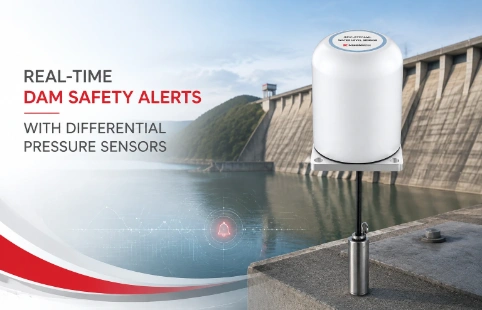
Real-Time Dam Safety Alerts with Differential Pressure Water Level Sensors
Key Takeaways An alert chain needs more than a sensor: define field in...

Big Data Analysis in Geotechnical Instrumentation
Geotechnical monitoring generates more data than most teams know what to do with. Even a medium-sized project can produce terabytes from inclinometers, piezometers, and strain gauges over its lifecycle. The challenge isn't collecting this data—it's making sense of it without drowning in spreadsheets. Kingmach builds instruments that speak the language of modern analysis tools. Our devices output clean, timestamped readings over standard industrial protocols, so engineers can feed them directly into Python scripts, cloud dashboards, or third-party analytics platforms. This isn't about adding a 'smart' label; it's about removing friction between field measurements and the software that turns numbers into decisions.
Technical Detail
Kingmach has been manufacturing geotechnical instruments long enough to know that compatibility matters as much as accuracy. When you're planning a big data pipeline for a dam, tunnel, or landslide monitoring network, the last thing you need is a sensor that locks you into proprietary software. Our product range—from vibrating wire piezometers to MEMS tiltmeters—uses common digital interfaces like RS485 and Modbus RTU. This means data flows into your existing historian or cloud database without custom drivers. Multiple sensor types can report to a single edge gateway, simplifying architecture on large deployments. The technical support team regularly helps clients map data fields to their preferred analysis tools, whether that's an open-source stack or a commercial SHM platform. And because we offer OEM and custom labeling, integrators can maintain a consistent data format across their entire supply chain. This practical approach to data interoperability reflects our mid-market focus: solid engineering without the integration headaches often found at either extreme of the price spectrum.
News
Key Takeaways An alert chain needs more than a sensor: define field in...
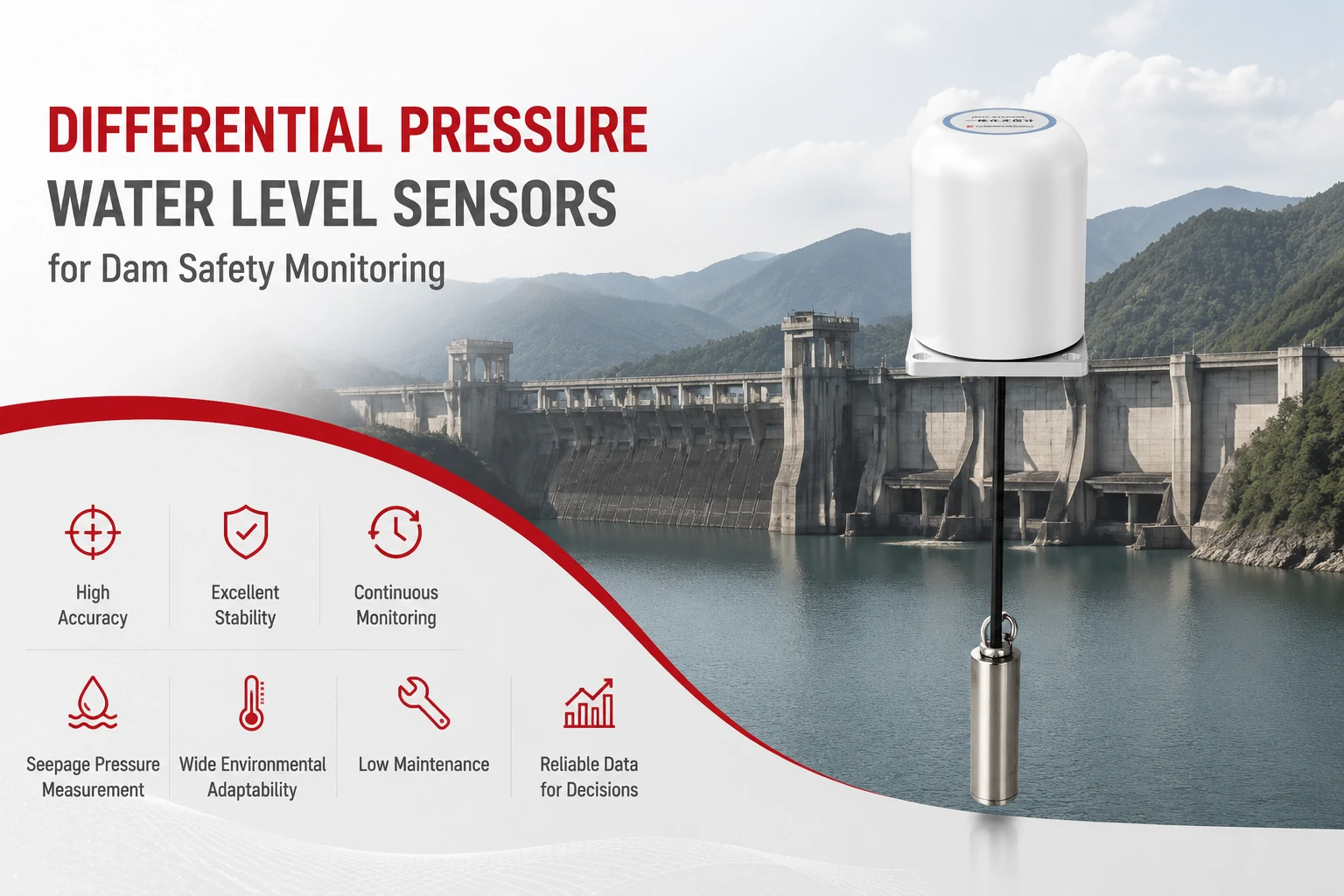
Key Takeaways The strongest fit is usually a confined, submerged, or s...
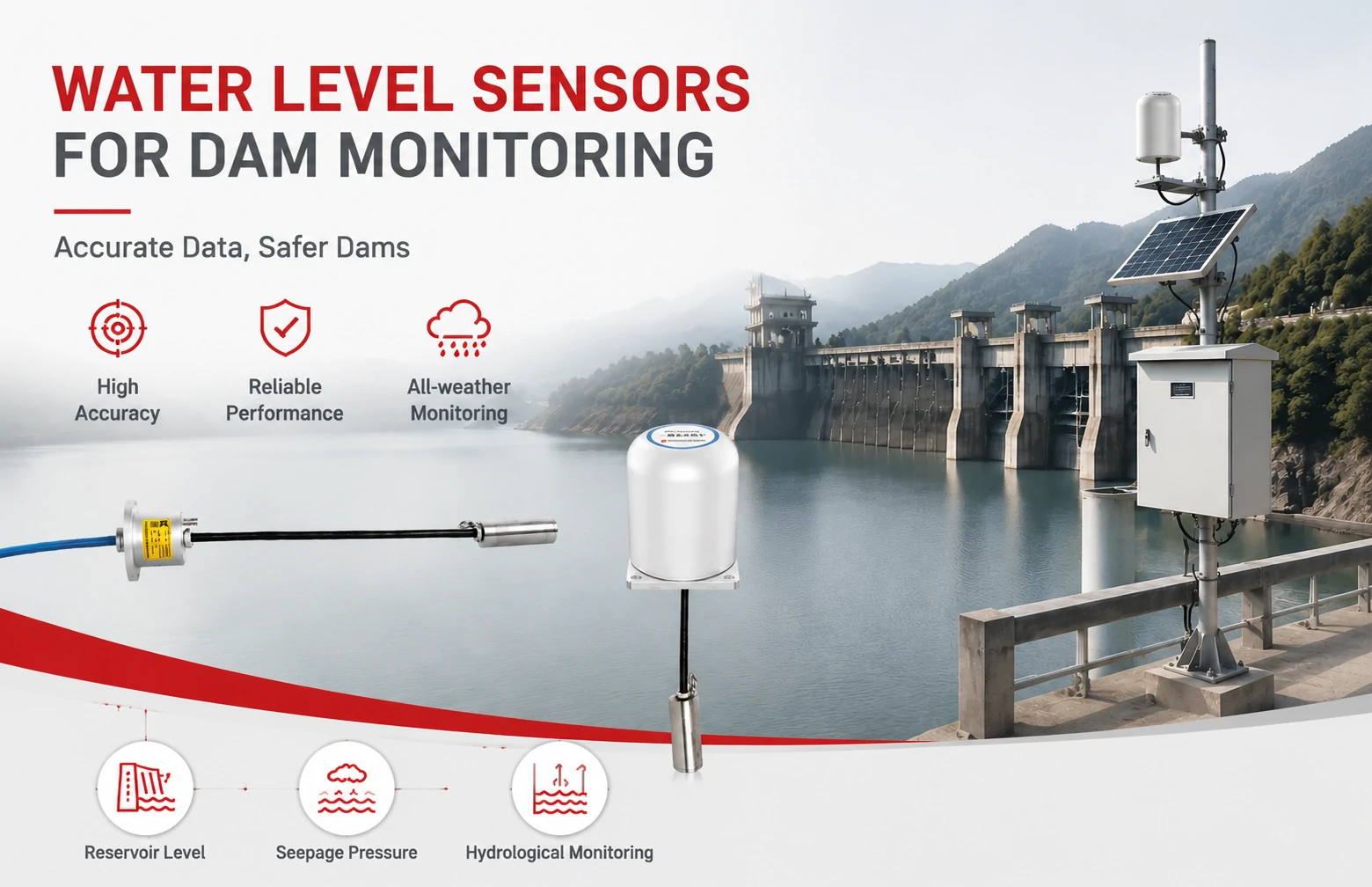
Kingmach Water Level Sensors for Dam Monitoring: A Buyer's Guide to Differential Pre...
Products
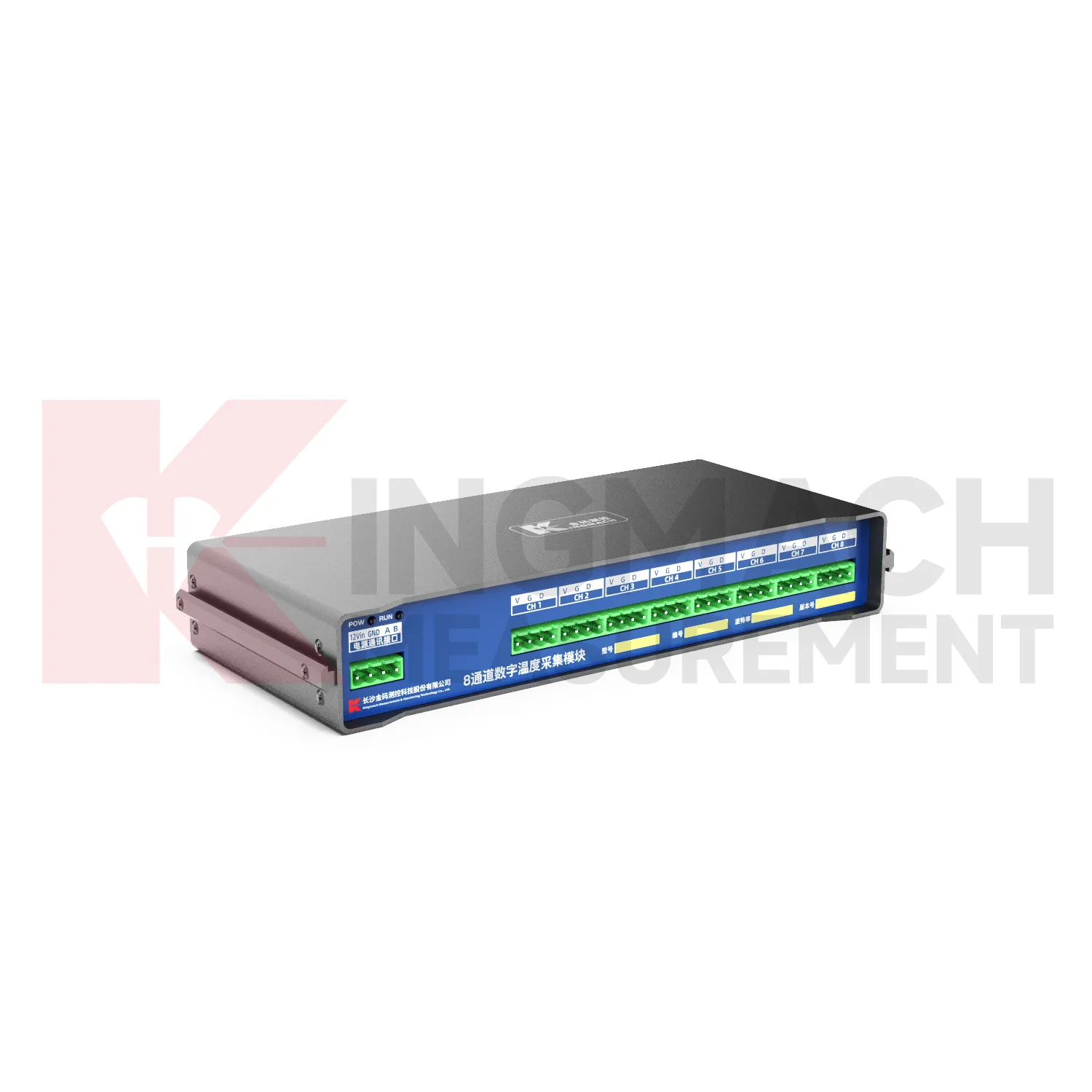
8-Channel Digital Temperature Acquisition ModuleJMWT-8DTH
View Details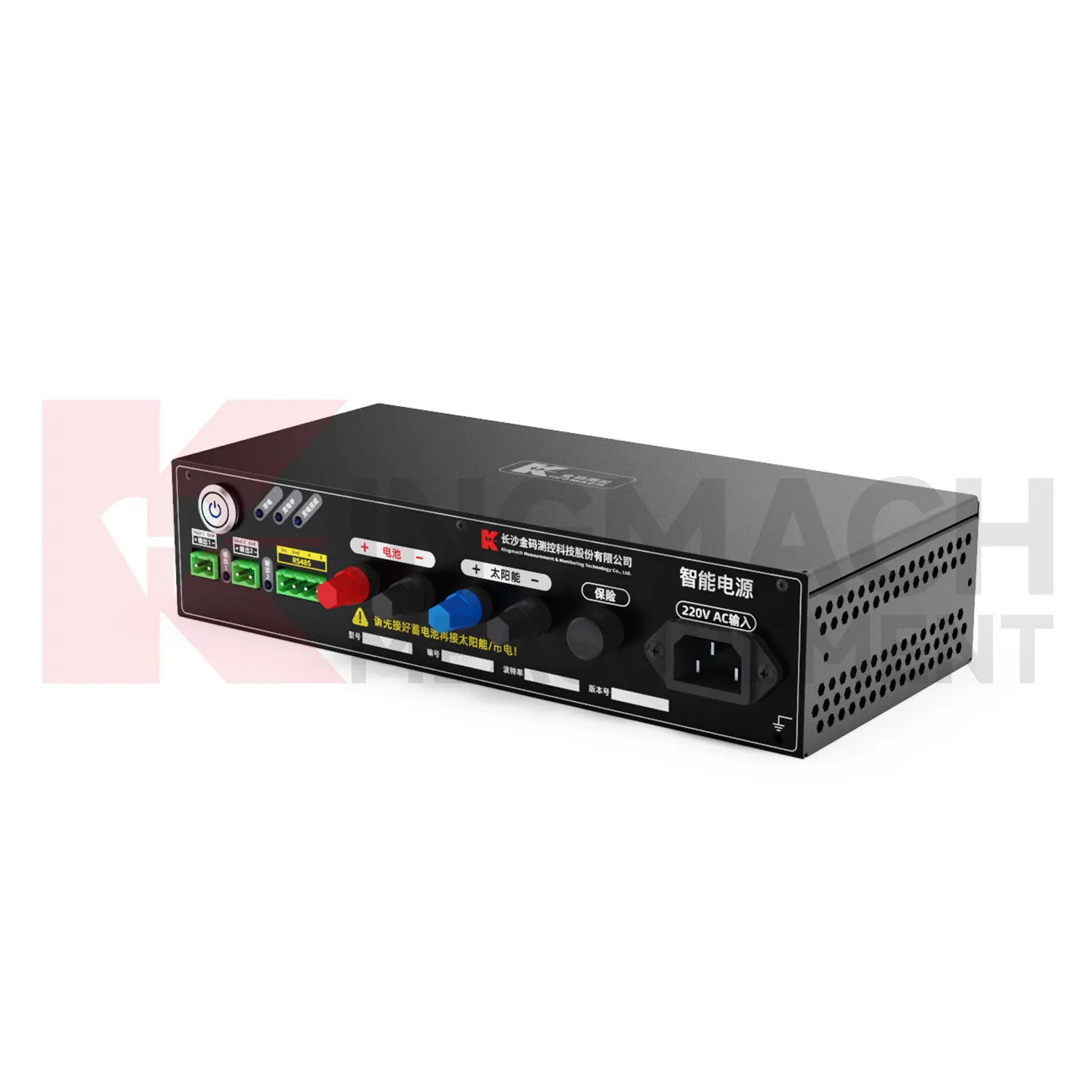
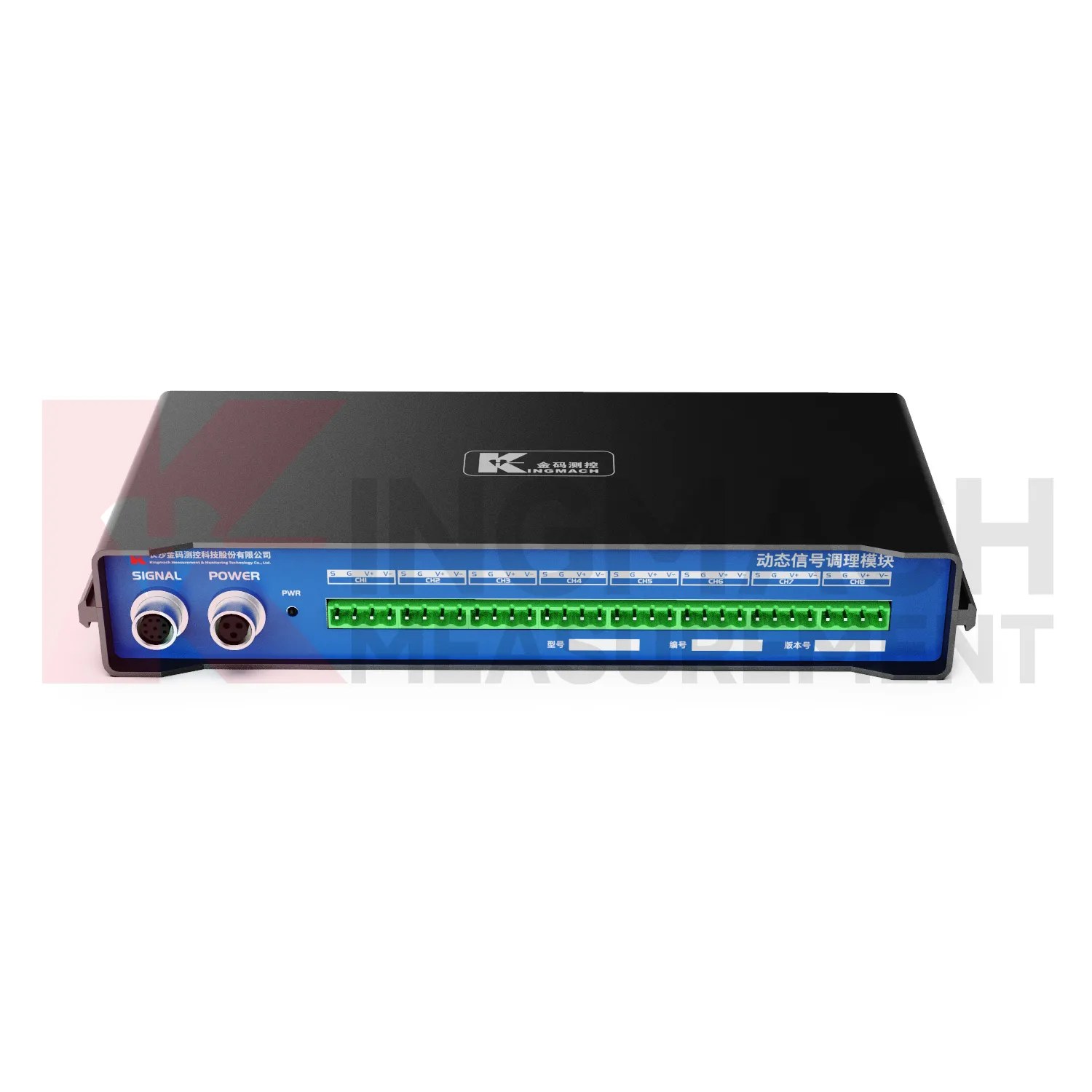
Dynamic signal conditioning moduleJMYD-2008XTA
View DetailsFAQ
Most of our sensors provide digital outputs over RS485 or Modbus RTU, which are straightforward to ingest into common industrial IoT platforms, historians, or custom Python-based pipelines. We can supply communication protocol documentation to help your team set up parsing scripts.
Yes. Because our instruments share the same communication backbone, a single edge device can poll multiple sensor types and push the aggregated data into one database or dashboard. That makes cross-parameter correlation much simpler.
We have standalone dataloggers that can buffer readings, perform basic statistics, and forward data on schedule. For more advanced edge processing, we work with clients to configure their preferred gateways to pull data from our sensors directly.
Time synchronization depends on the logging hardware. Our instruments transmit raw readings on request; the timestamp is applied by the polling device. For synchronized distributed measurements, we recommend using an NTP-sync'd datalogger or gateway.
Share your product type, target capacity, and application requirements. Our team can review the details and recommend a practical next step.
If you are interested in our products or want to become our partner.
Please leave your contact information, our team will contact you as soon as possible.
Mail: [email protected]
Contact Us: +8613808434127
Address: No. 188 Tongzipo West Rd, Changsha, Hunan, China