
 EN
EN
 ar
ar bg
bg hr
hr cs
cs da
da nl
nl fi
fi fr
fr de
de el
el hi
hi it
it ko
ko no
no pl
pl pt
pt ro
ro ru
ru es
es sv
sv tl
tl iw
iw id
id lv
lv lt
lt sr
sr sk
sk sl
sl uk
uk vi
vi et
et hu
hu th
th tr
tr fa
fa ms
ms hy
hy ka
ka ur
ur bn
bn mn
mn ta
ta kk
kk uz
uz ku
ku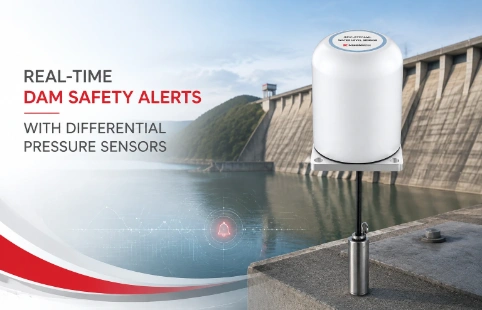
Real-Time Dam Safety Alerts with Differential Pressure Water Level Sensors
Key Takeaways An alert chain needs more than a sensor: define field in...

Load Cell Readouts: Stable Readings for Demanding Sites
On a muddy slope after a heavy rain, the last thing a site engineer wants is a display that drifts or cuts out. Load cell readouts often work in tricky spots—damp trenches, dusty tunnels, or temperature swings from dawn to noon. Kingmach builds its readouts to handle that kind of day without fuss. The numbers stay steady, the menu stays simple, and the housing shrugs off the weather. Plenty of instruments pass a bench test but get confused in the field by sensor impedance or wiring quirks. Kingmach’s signal chain is tuned for the 350-ohm to 5k-ohm range most geotechnical sensors use, so the initial excitation and filtering work with the sensor instead of against it. That means less time spent chasing ghost readings. The rest of the instrument—display contrast, button layout, battery life during overnight logging—reflects the same practical bias. No glossy marketing promises, just gear that makes sense on a real project.
Technical Detail
Load cell readouts from Kingmach focus on a narrow but important job: capture microvolt-level signals from strain-gauge sensors and turn them into engineering units that are easy to trust. The core is a 24-bit sigma-delta ADC with a sampling architecture that suppresses 50/60 Hz power-line noise without heavy analog filtering, so low-frequency trends from anchor load cells or earth pressure cells stay visible. A dual-slope integrator backup path in some models handles high-impedance bridge circuits that could otherwise pick up switching noise from site generators. The front end accepts ±20 mV to ±2 V/V input spans, covering both 1.5 mV/V and 3 mV/V standardized outputs as well as custom calibration ranges. Six-wire sensing is standard on 4- and 8-channel versions, canceling lead-wire resistance errors that creep into long cable runs—common in dam instrumentation or tunnel convergence arrays. Excitation choices between 5 VDC and 10 VDC let you power low-resistance pressure transducers without cooking the gauge, or drive long lines without worrying about voltage drops. On the output side, USB and RS-485 with Modbus RTU are provided as baseline, while 4–20 mA retransmission and dry-contact alarm relays can be added on board. The menu system is linear: pick sensor type, enter calibration coefficients via front-panel keys, set a logging interval if needed, and start. Readings can stream to a PC via the Kingmach DataStudio utility or integrate into third-party SCADA through the Modbus map. The housing is IP65 as standard, with a shock-mounted LCD assembly that survives the usual knocks in a site trailer. Power comes from a 12–36 VDC loop, so the same 24 V supply that runs the data logger can feed the readout. Displays are backlit for direct sunlight readability, and key response is firm enough that gloved fingers get reliable feedback. Customizations—special connectors, non-linear calibration tables, multi-point shunt verification—are handled during order review, not as an afterthought. That mix of straightforward specs and engineering flexibility is what makes the units fit into monitoring programs across dams, deep excavations, and structural load tests.
News
Key Takeaways An alert chain needs more than a sensor: define field in...
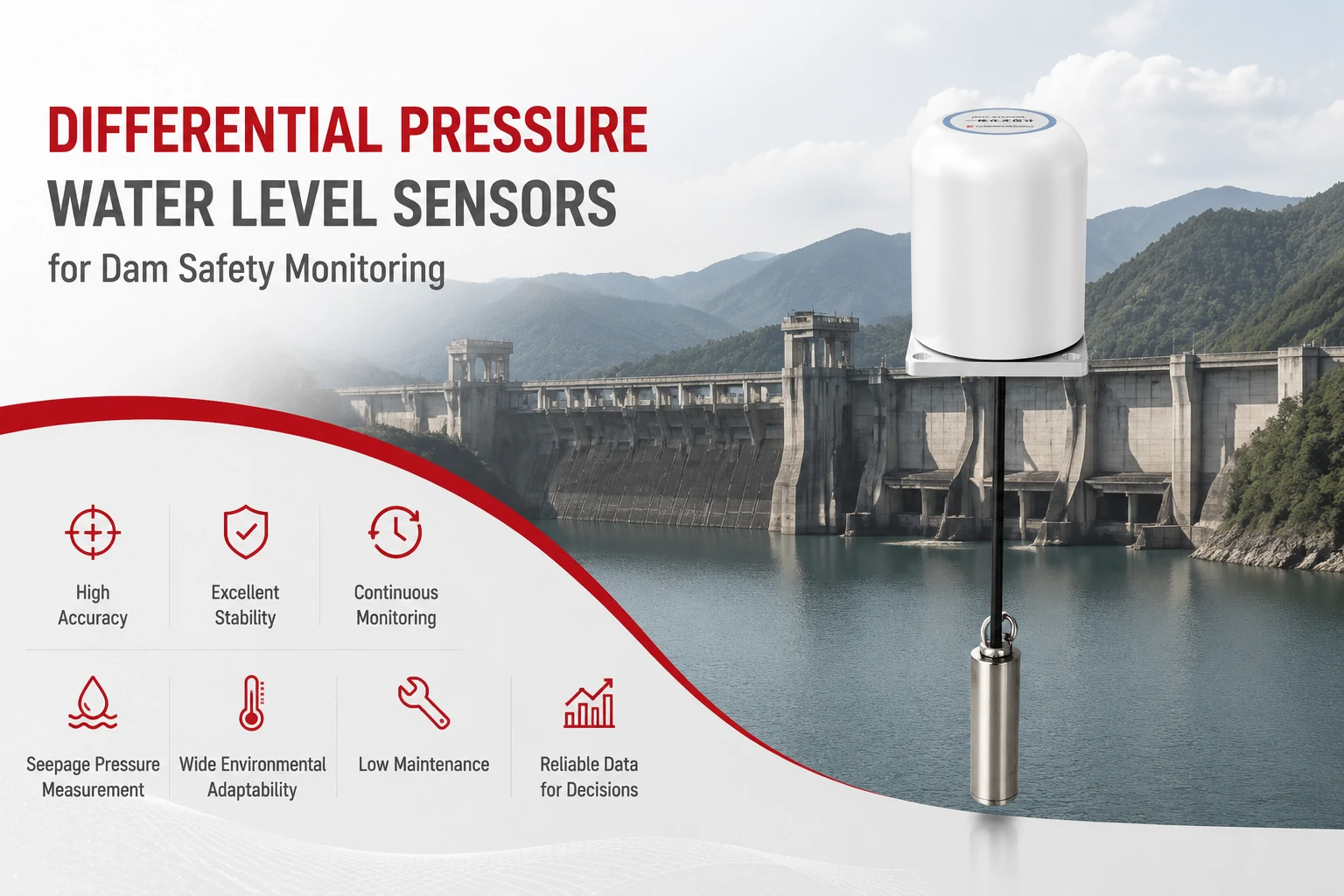
Key Takeaways The strongest fit is usually a confined, submerged, or s...
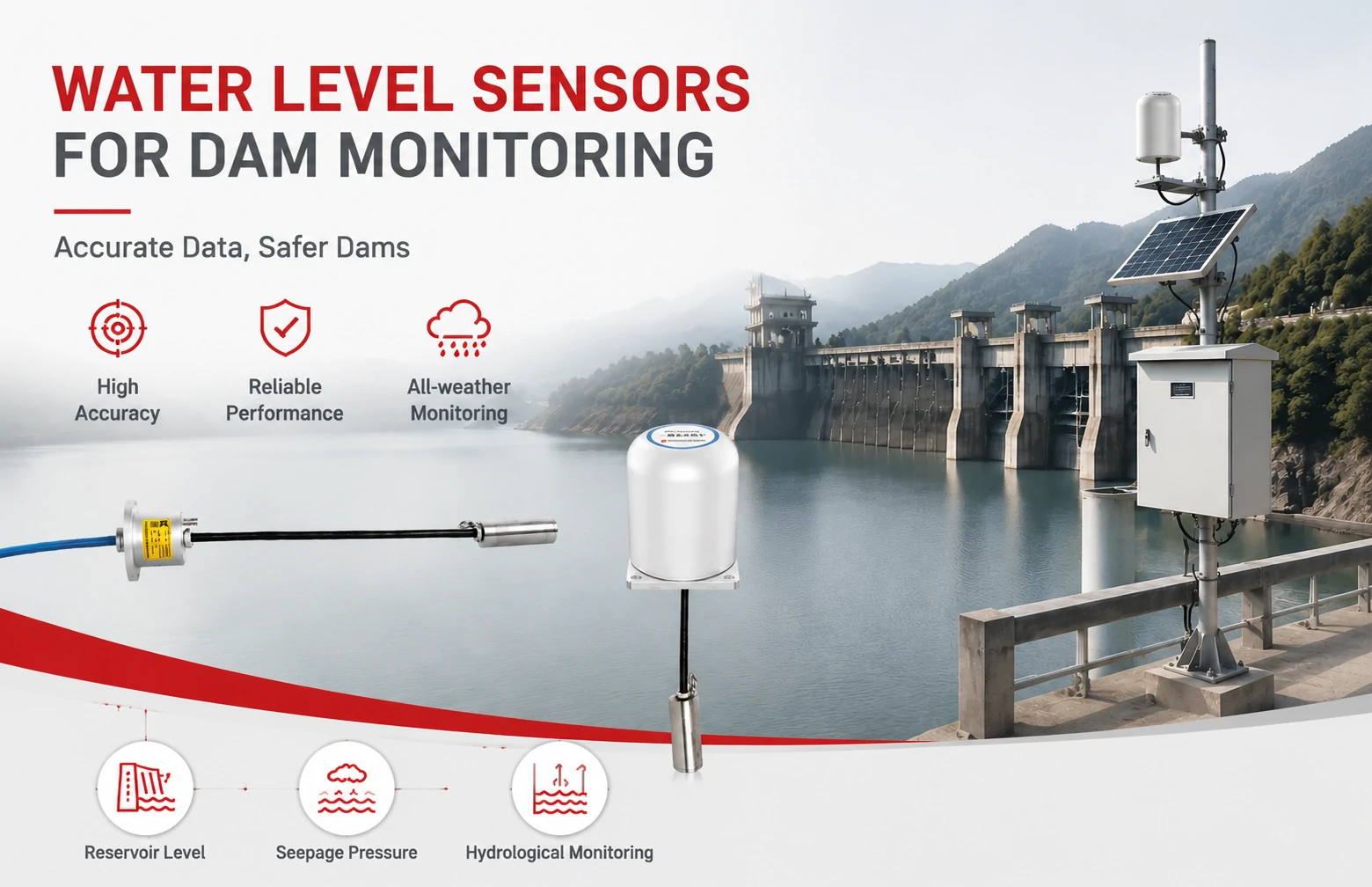
Kingmach Water Level Sensors for Dam Monitoring: A Buyer's Guide to Differential Pre...
Products
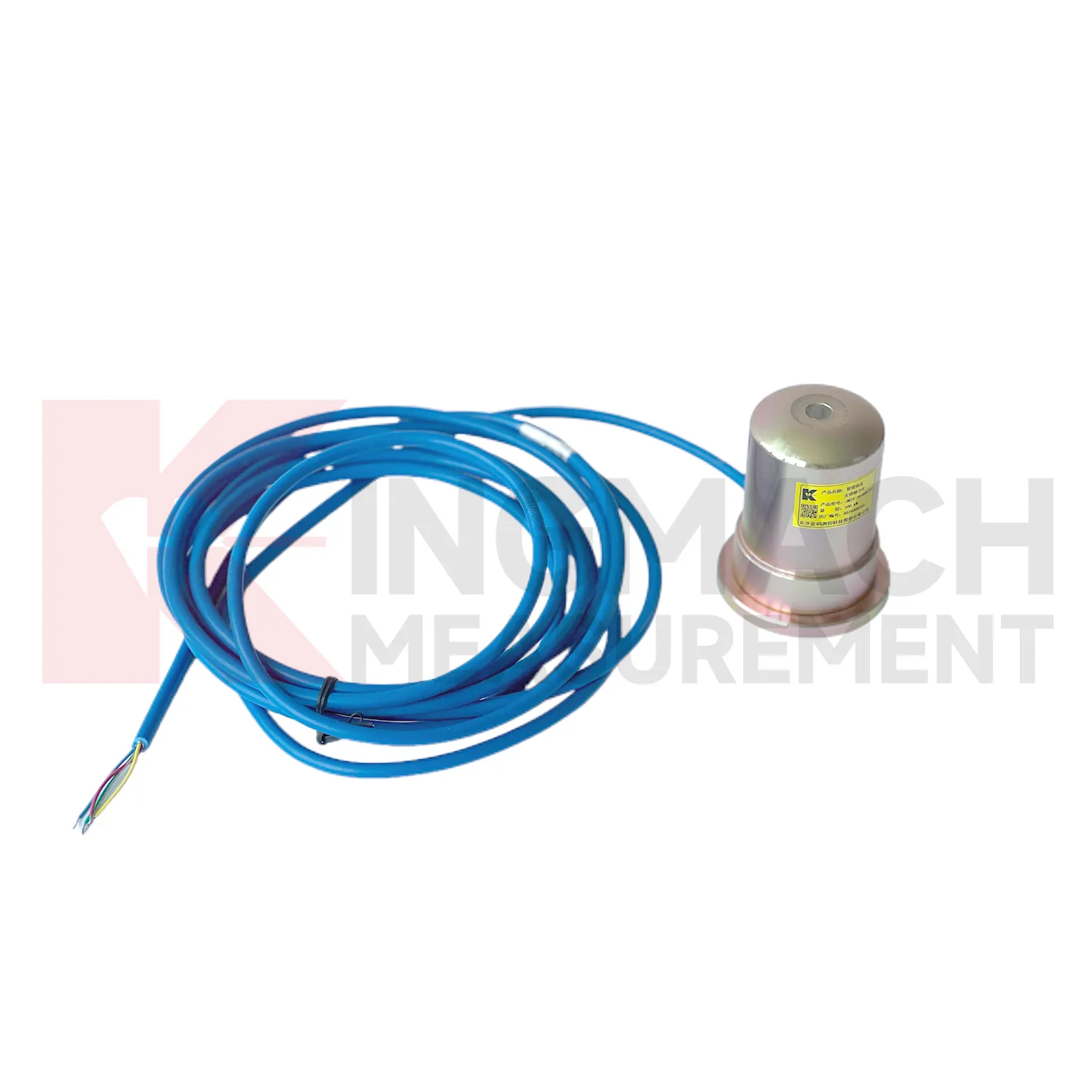
Smart Formwork Axial Force Meter(VW)JMZX-39XXHAT
View Details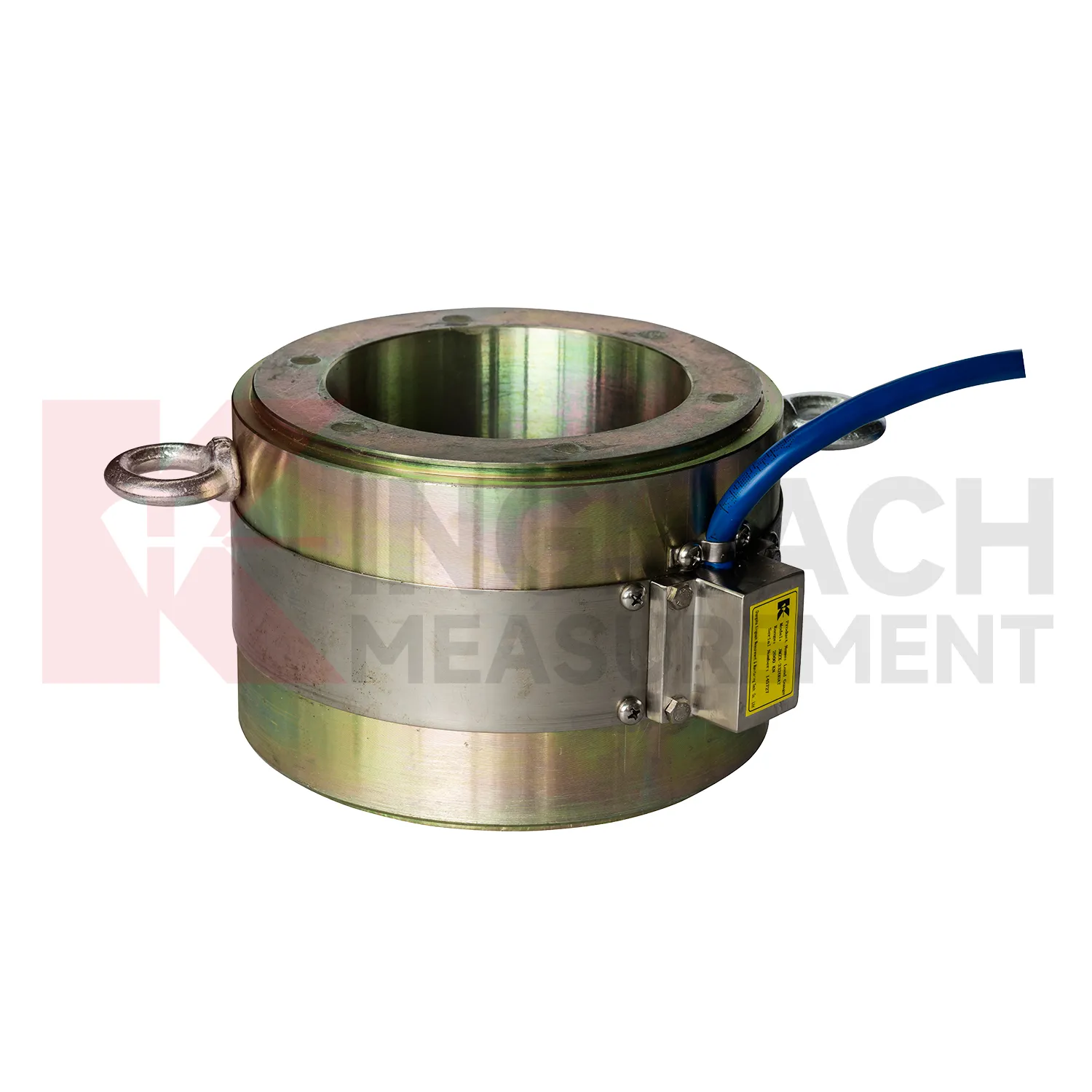
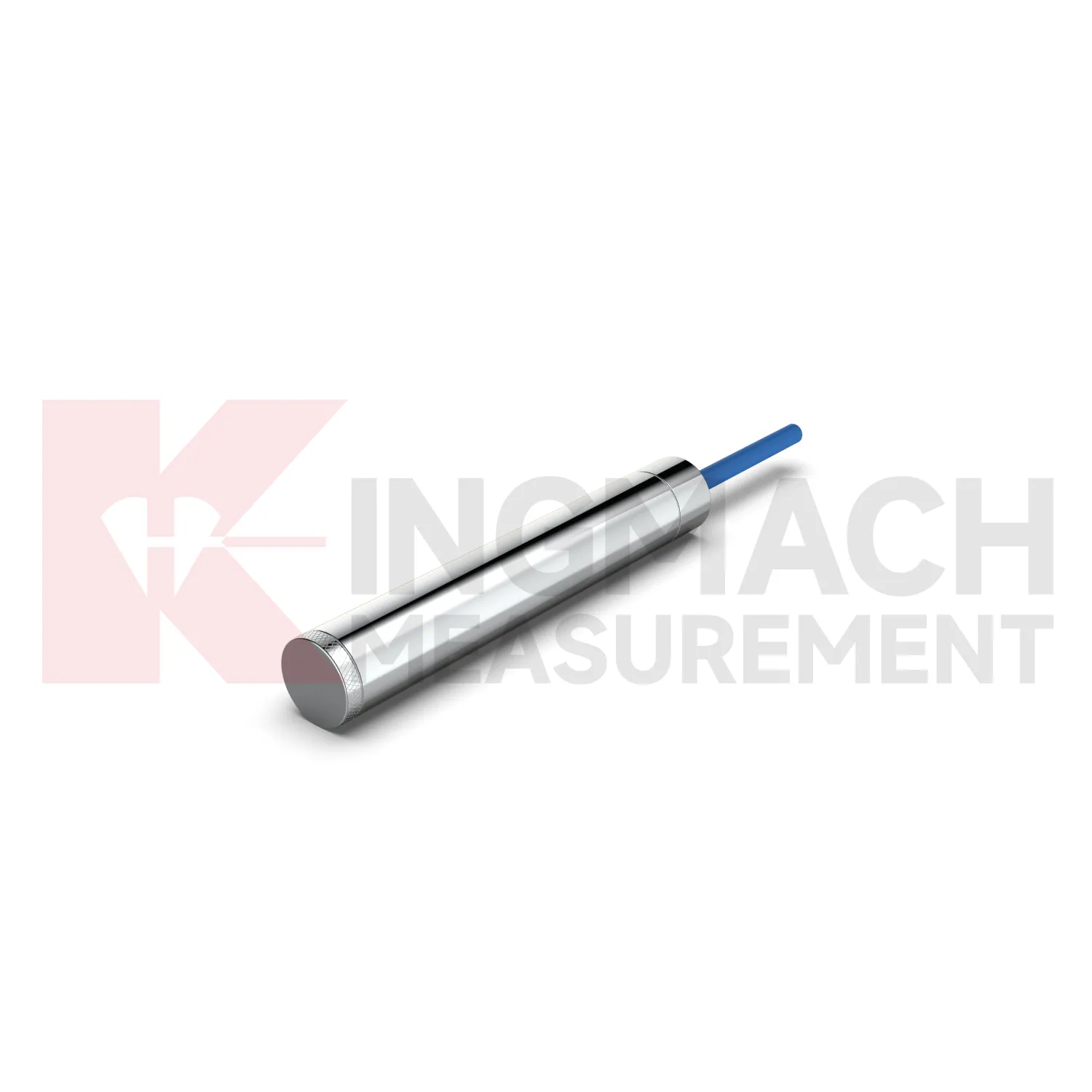
Smart Vibrating Wire PiezometerSmart Piezometers (VW) JMZX-55XXHAT
View DetailsFAQ
The units are designed for strain-gauge sensors—anything from 350-ohm foil gauges up to 5k-ohm semiconductor types. Common pairings include anchor load cells, compression load cells, and earth pressure cells. If your sensor uses mV/V output and has reasonable impedance, it will likely connect without adapters.
Many models include internal logging with configurable intervals, storing timestamped records to SD card or local memory. You can pull logs via USB later or set up real-time streaming through RS-485. For permanent monitoring, the Modbus interface lets a PLC or data acquisition unit poll the readout continuously.
Six-wire connection is standard on multi-channel units, which compensates for lead-wire resistance. For single-channel handhelds, we recommend keeping total loop resistance below 100 ohms, but excitation and sense wiring can extend that range. If your sensor is 500 meters away across a dam, we would spec a model with remote sensing to maintain accuracy.
At 25°C, typical combined non-linearity and hysteresis stays within ±0.05% of full scale. Over temperature from -10 to 50°C, the zero and span drift is controlled to 0.01%/°C. Those numbers come from the analog front end’s specs, but real-world results also depend on sensor quality and wiring—talk to our engineers about your setup.
Yes, the LCD is transmissive with LED backlighting chosen for high ambient light. The screen cover is also treated to reduce glare. In very dark trenches, the backlight’s brightness can be turned down to save battery without washing out digits.
Share your product type, target capacity, and application requirements. Our team can review the details and recommend a practical next step.
If you are interested in our products or want to become our partner.
Please leave your contact information, our team will contact you as soon as possible.
Mail: [email protected]
Contact Us: +8613808434127
Address: No. 188 Tongzipo West Rd, Changsha, Hunan, China