
 EN
EN
 ar
ar bg
bg hr
hr cs
cs da
da nl
nl fi
fi fr
fr de
de el
el hi
hi it
it ko
ko no
no pl
pl pt
pt ro
ro ru
ru es
es sv
sv tl
tl iw
iw id
id lv
lv lt
lt sr
sr sk
sk sl
sl uk
uk vi
vi et
et hu
hu th
th tr
tr fa
fa ms
ms hy
hy ka
ka ur
ur bn
bn mn
mn ta
ta kk
kk uz
uz ku
ku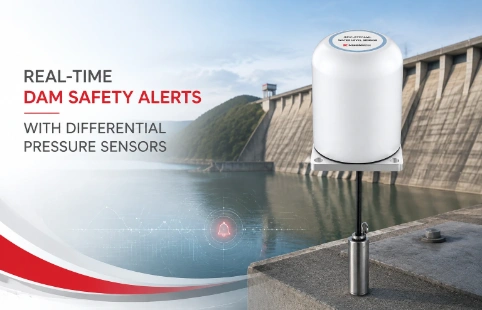
Real-Time Dam Safety Alerts with Differential Pressure Water Level Sensors
Key Takeaways An alert chain needs more than a sensor: define field in...

Signal Acquisition Module Built for Field Data Collection
Engineers setting up slope stability monitoring or tunnel deformation tracking know the pain of data loggers that struggle with mixed sensor types. You might have vibrating wire piezometers alongside MEMS tiltmeters, each demanding different excitation and sampling rates. Most off-the-shelf units force you into awkward workarounds or extra converter boxes. Kingmach’s signal acquisition module grew out of these kinds of project realities. Rather than chasing lab specs, we focused on channel density, wide sensor compatibility, and simple wiring that holds up in humid, dusty installations. The result is a module that gets consistent readings from strain gauges, displacement transducers, and thermistors alike, without requiring you to rewrite configuration scripts every time you add a sensor. This introduction just scratches the surface—below we’ll go into the design choices, common questions, and where the module fits into a larger monitoring network.
Technical Detail
A signal acquisition module sits between your sensors and the central logger or cloud gateway. Its job sounds simple: read analog or digital inputs, condition the signal, and send clean data upstream. But in geotechnical and structural health monitoring, that simplicity breaks down fast. Sensor outputs span microvolt ranges from strain gauges to millivolt-level thermocouples to frequency signals from vibrating wire instruments. Electrical noise from nearby pumps or radio equipment can swamp those signals. And field conditions—condensation, temperature swings, cable runs over 100 meters—introduce errors that a benchtop DAQ never sees. Kingmach’s signal acquisition modules address these headaches with galvanic isolation on every input channel, software-selectable gain and filtering, and support for common sensor interfaces: full-bridge, half-bridge, voltage, current loop, vibrating wire, and digital protocols like RS-485. The front end uses 24-bit delta-sigma ADCs that capture microvolt-level changes even when the site is electrically noisy. We’ve also baked in sensor excitation options—constant current for IEPE accelerometers, regulated voltage for thermistors, and swept-frequency excitation for vibrating wire sensors. Each channel can be configured independently, so a single module handles mixed sensor strings without external signal conditioners. From a deployment standpoint, the module is built around DIN-rail mounting and pluggable terminal blocks. Field wiring mistakes happen, so we added screw-terminal guards and clear labeling. Power options range from 9–36V DC, covering both battery and solar setups. Data output defaults to Modbus RTU, with configurable baud rates up to 115200, making it straightforward to integrate with existing SCADA or custom Linux-based loggers. Our technical team can pre-configure modules to match your sensor inventory before shipment, which cuts setup time on the hill by half or more.
News
Key Takeaways An alert chain needs more than a sensor: define field in...
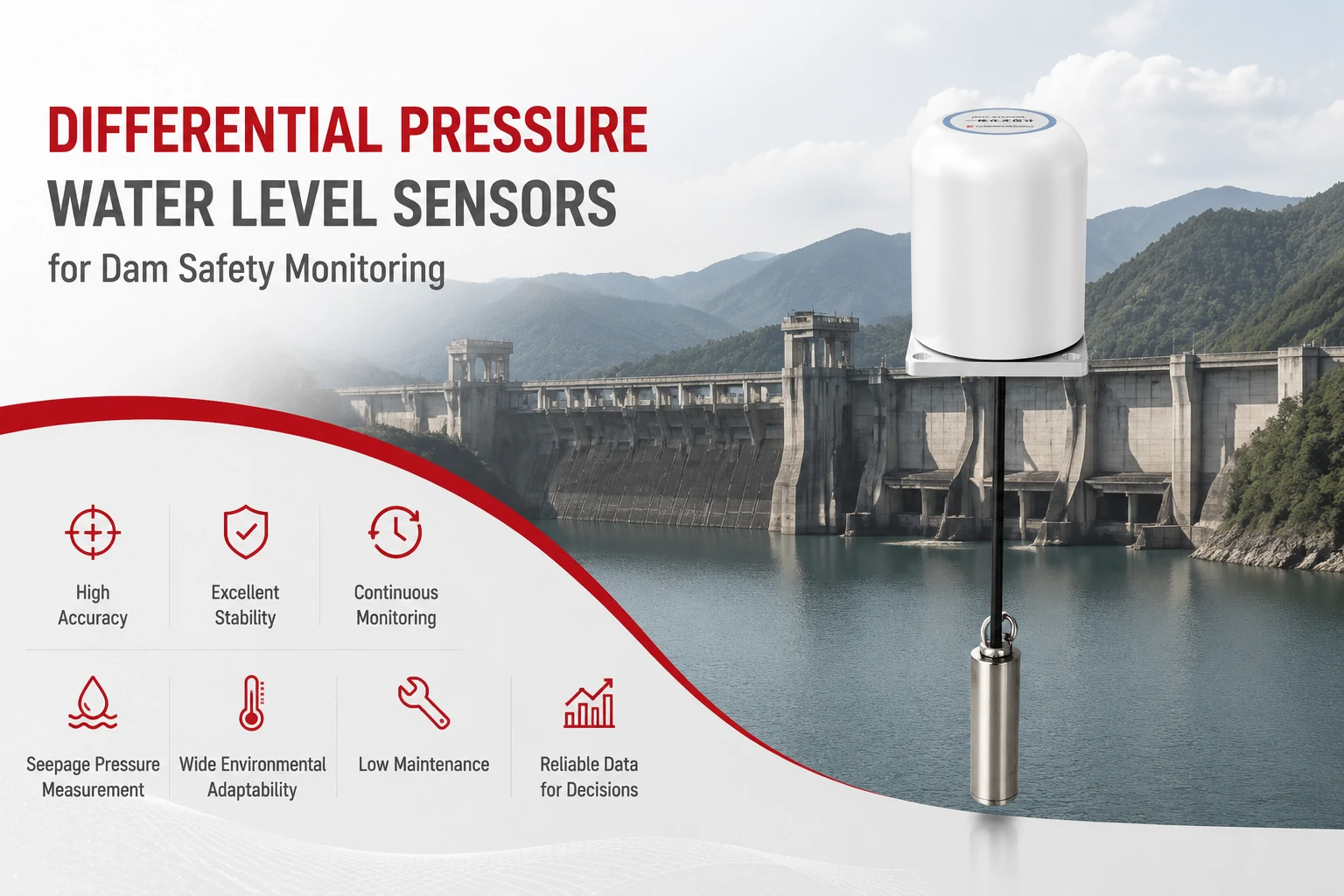
Key Takeaways The strongest fit is usually a confined, submerged, or s...
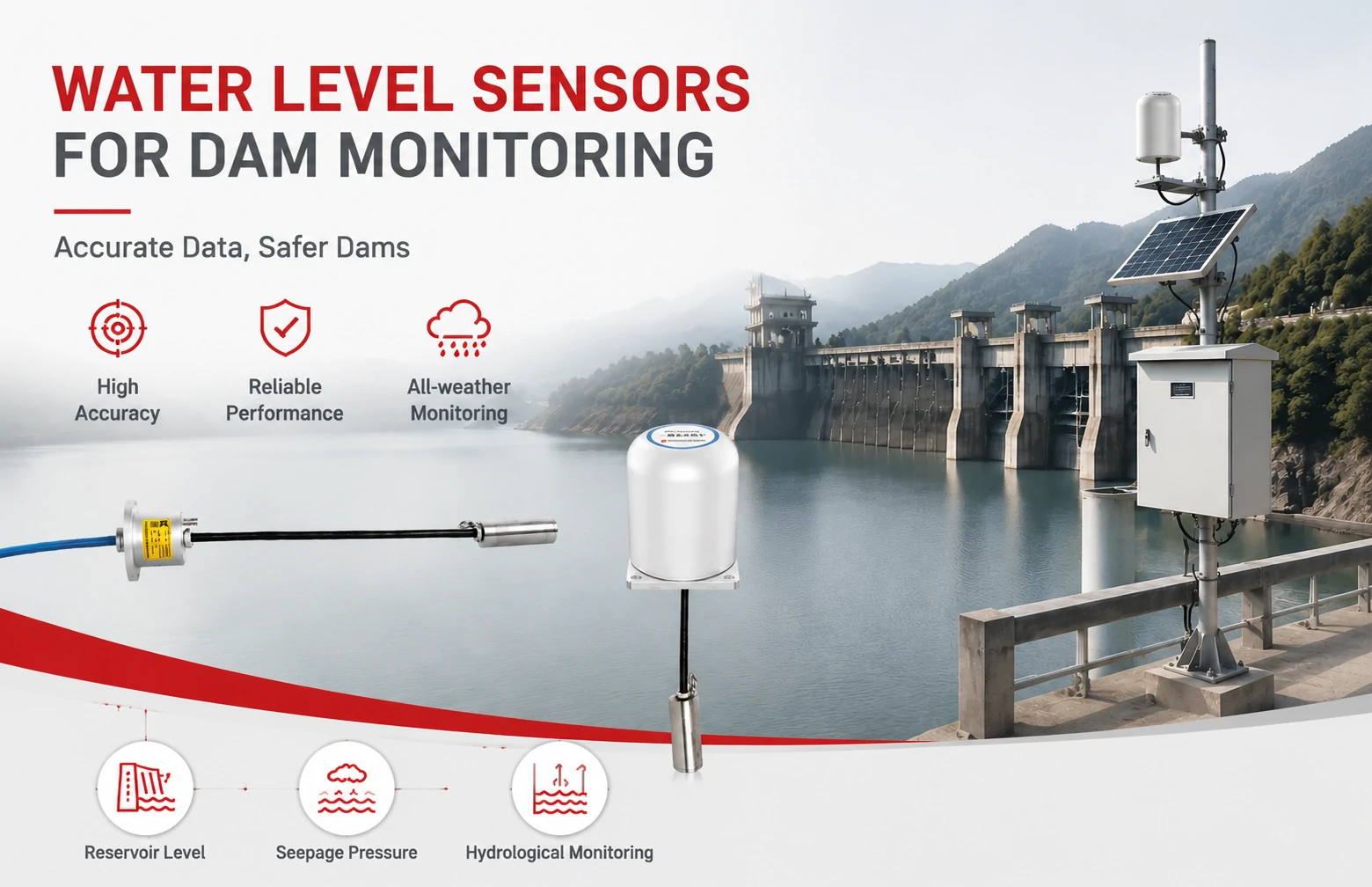
Kingmach Water Level Sensors for Dam Monitoring: A Buyer's Guide to Differential Pre...
Products
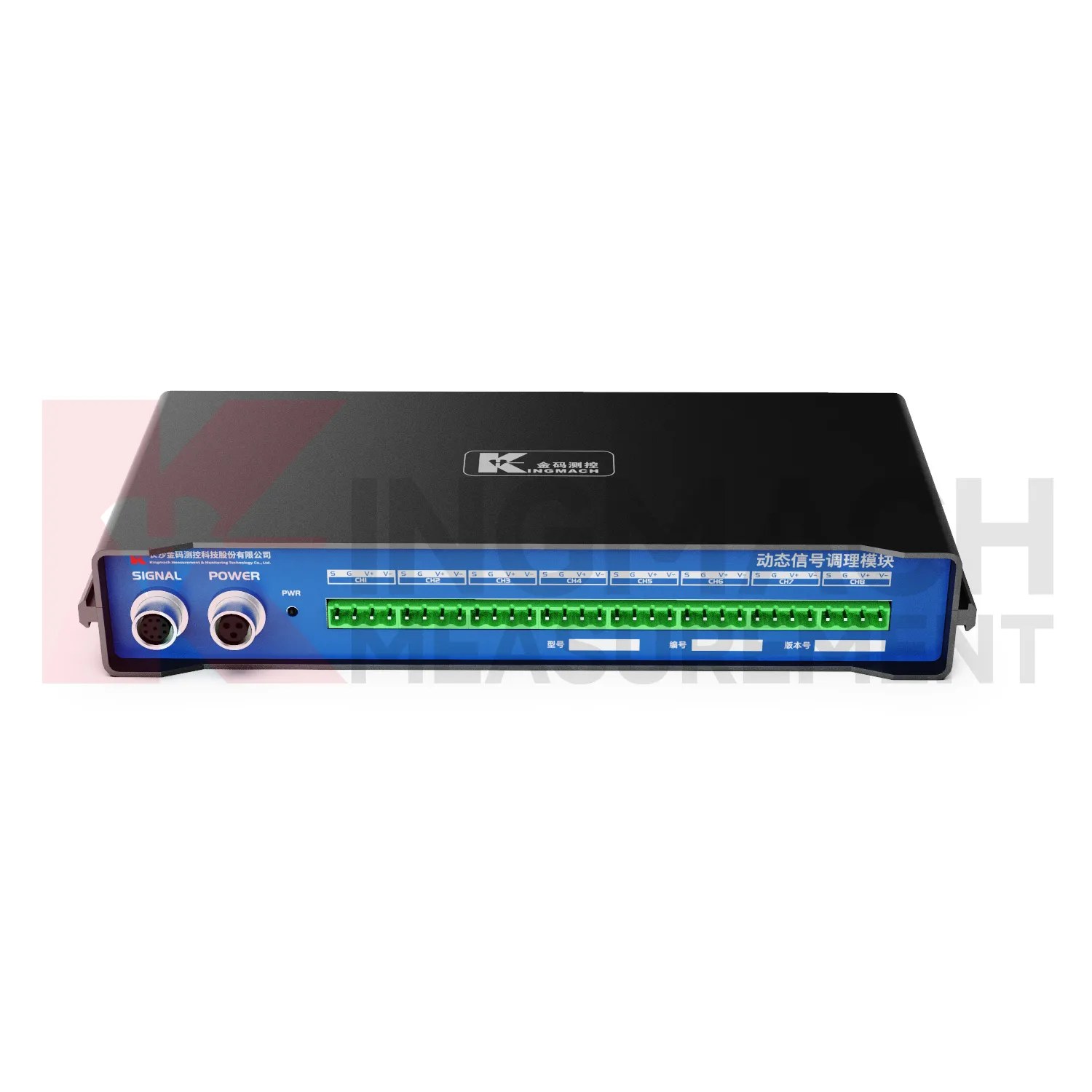
Dynamic signal conditioning moduleJMYD-2008XTA
View Details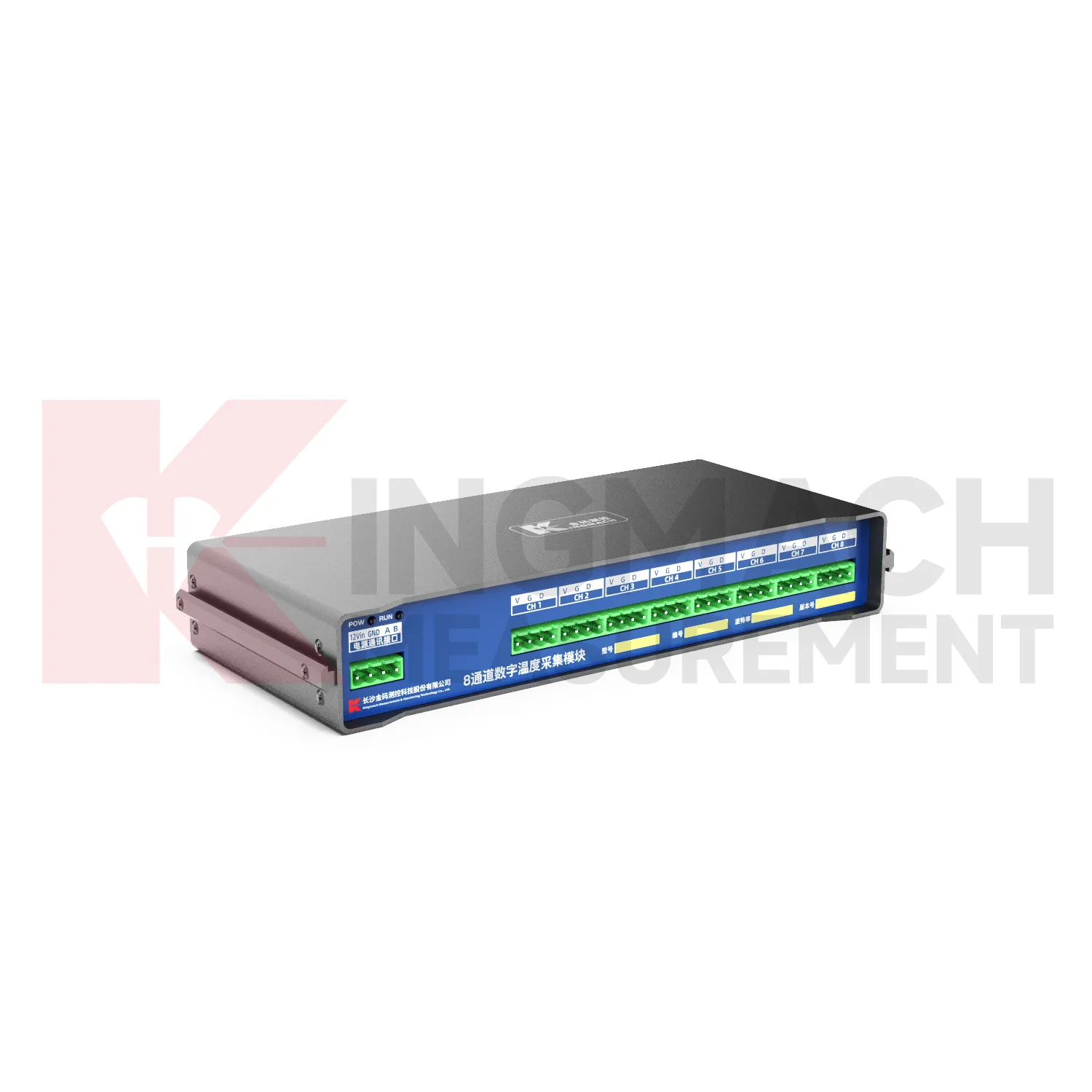
8-Channel Digital Temperature Acquisition ModuleJMWT-8DTH
View Details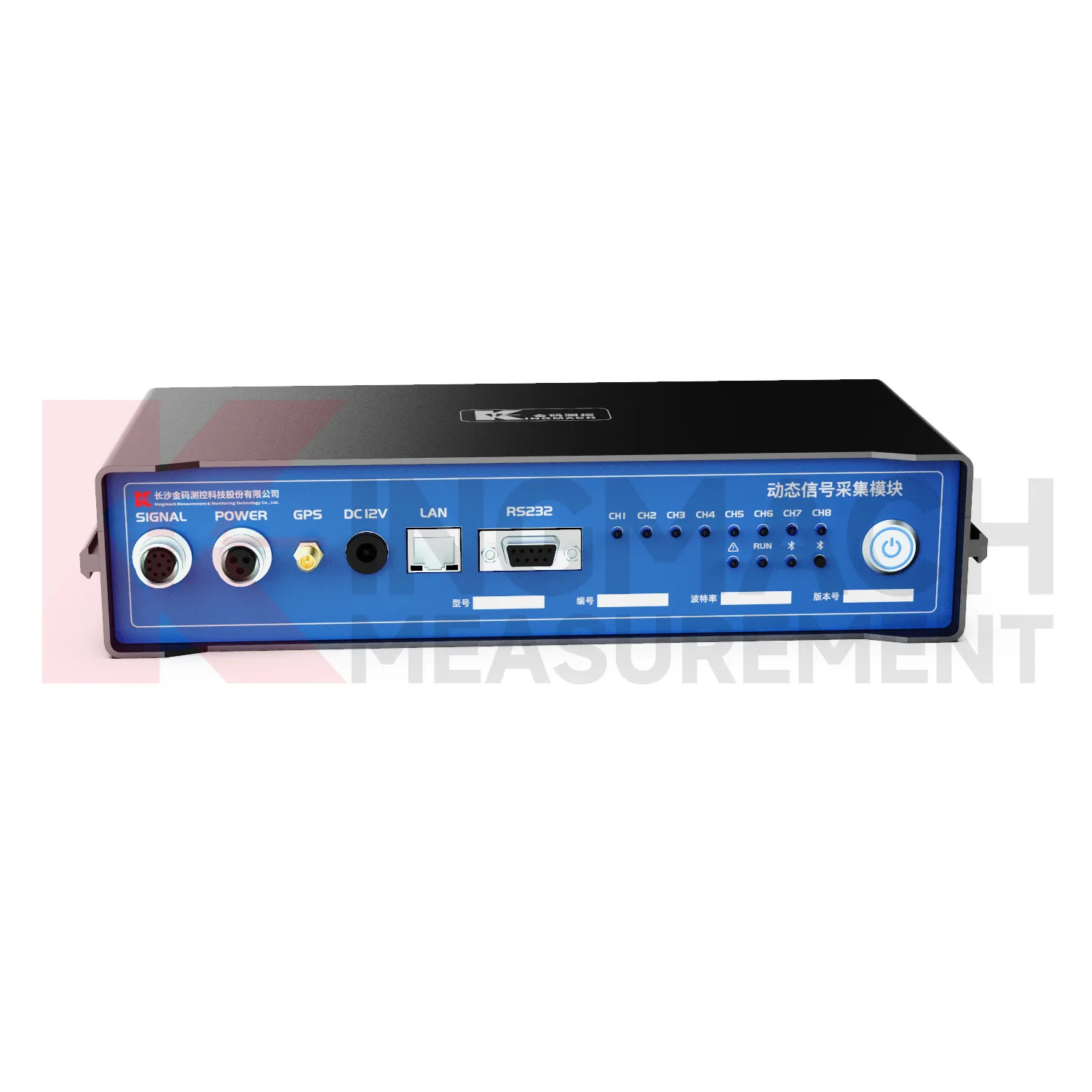
Dynamic signal acquisition module JMYD-1008XC
View DetailsFAQ
It handles vibrating wire, strain gauge (full/half/quarter bridge), thermistor, potentiometer, voltage, 4-20mA current loop, and digital sensors over RS-485. The front end auto-detects some sensor types, but for mixed strings, you typically define each channel through the configuration utility.
The housing is rated IP40 and meant for enclosure mounting. In most projects, it sits inside a waterproof fiberglass or stainless steel cabinet along with the DC supply and surge protectors. The board is conformally coated against humidity, but direct rain or dust ingress will cause drift over time.
That depends on your sensor layout. A single inclinometer string with 10 MEMS sensors needs 10 analog inputs. If you’re adding pore pressure and rainfall, plan for 16–24 channels. We offer modules in 8, 16, and 32-channel densities. You can also daisy-chain units via RS-485 if you need more.
Yes. The standard Modbus RTU output makes it compatible with most loggers and RTUs from Campbell Scientific, Worldsensing, or custom PLCs. If you’re using a proprietary protocol, our team can often provide a firmware variant or translation script.
A universal logger bundles everything in one box, which simplifies procurement. But that also means you’re locked into that vendor’s sensor compatibility list and expansion options. A separate signal acquisition module lets you pick best-of-breed components—high-quality sensors and a logger or gateway that fits your IT requirements—without compromise. It also simplifies fault isolation; if a channel fails in the field, you replace the module, not the entire logger.
Share your product type, target capacity, and application requirements. Our team can review the details and recommend a practical next step.
If you are interested in our products or want to become our partner.
Please leave your contact information, our team will contact you as soon as possible.
Mail: [email protected]
Contact Us: +8613808434127
Address: No. 188 Tongzipo West Rd, Changsha, Hunan, China