
 EN
EN
 ar
ar bg
bg hr
hr cs
cs da
da nl
nl fi
fi fr
fr de
de el
el hi
hi it
it ko
ko no
no pl
pl pt
pt ro
ro ru
ru es
es sv
sv tl
tl iw
iw id
id lv
lv lt
lt sr
sr sk
sk sl
sl uk
uk vi
vi et
et hu
hu th
th tr
tr fa
fa ms
ms hy
hy ka
ka ur
ur bn
bn mn
mn ta
ta kk
kk uz
uz ku
ku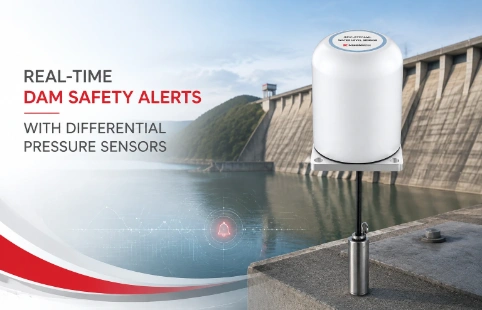
Real-Time Dam Safety Alerts with Differential Pressure Water Level Sensors
Key Takeaways An alert chain needs more than a sensor: define field in...

Tipping Bucket Rain Gauge, Resolution 0.2 mm Typical
When setting up a rainfall monitoring network, the tipping bucket gauge's resolution often becomes a practical concern rather than a spec sheet detail. A 0.2 mm typical resolution means each tip corresponds to 0.2 mm of rain—fine enough for most hydrological studies and flood warning systems. Kingmach, as a geotechnical instrumentation manufacturer, supplies these gauges with an eye on field reliability. The 'typical' tag matters: install it on a slanted mast, or let debris accumulate, and real-world resolution drifts. But out of the box, the mechanism is calibrated to tip consistently near that threshold. This level of granularity captures light showers without over-counting, a balance many hydrological agencies look for. It also keeps the mechanical counter from wearing out too fast during heavy storms—a trade-off anyone maintaining remote stations will appreciate. We've seen these gauges paired with data loggers from simple pulse counters to satellite telemetry units, largely because the output is just a dry contact closure. That simplicity avoids protocol headaches in the field.
Technical Detail
A tipping bucket rain gauge works by funnelling rain into a seesaw-like bucket mechanism. Each tip triggers a magnetic switch, sending a pulse that logging equipment interprets as rainfall depth. With a 0.2 mm typical resolution, the bucket size is engineered so that 0.2 mm of collected water (over the funnel area) causes the tip. Kingmach produces these gauges with stainless steel internal components and UV-stabilized housings, aimed at multi-year deployment. The funnel mesh keeps out leaves but wants occasional cleaning—the Achilles' heel of any tipping bucket design. In terms of compatibility, the pulse output works with most data acquisition systems: Campbell Scientific loggers, generic PLCs, GSM remote monitors, you name it. Some customers ask for adjustable resolution; while the bucket mechanically fixes the volume, you can change the funnel diameter to tweak effective resolution. Kingmach's customization service can provide that if your project demands, say, 0.1 mm mapping on a smaller catch area. Typical applications include landslide monitoring where light rain infiltration matters, agricultural water balance studies, and urban drainage network triggers. The standard model ships with a bubble level and screw anchors for concrete plinths. If you're comparing, remember that a 0.2 mm gauge generates half the pulses of a 0.1 mm unit for the same storm, which extends logger memory and battery life—not trivial in off-grid installations.
News
Key Takeaways An alert chain needs more than a sensor: define field in...
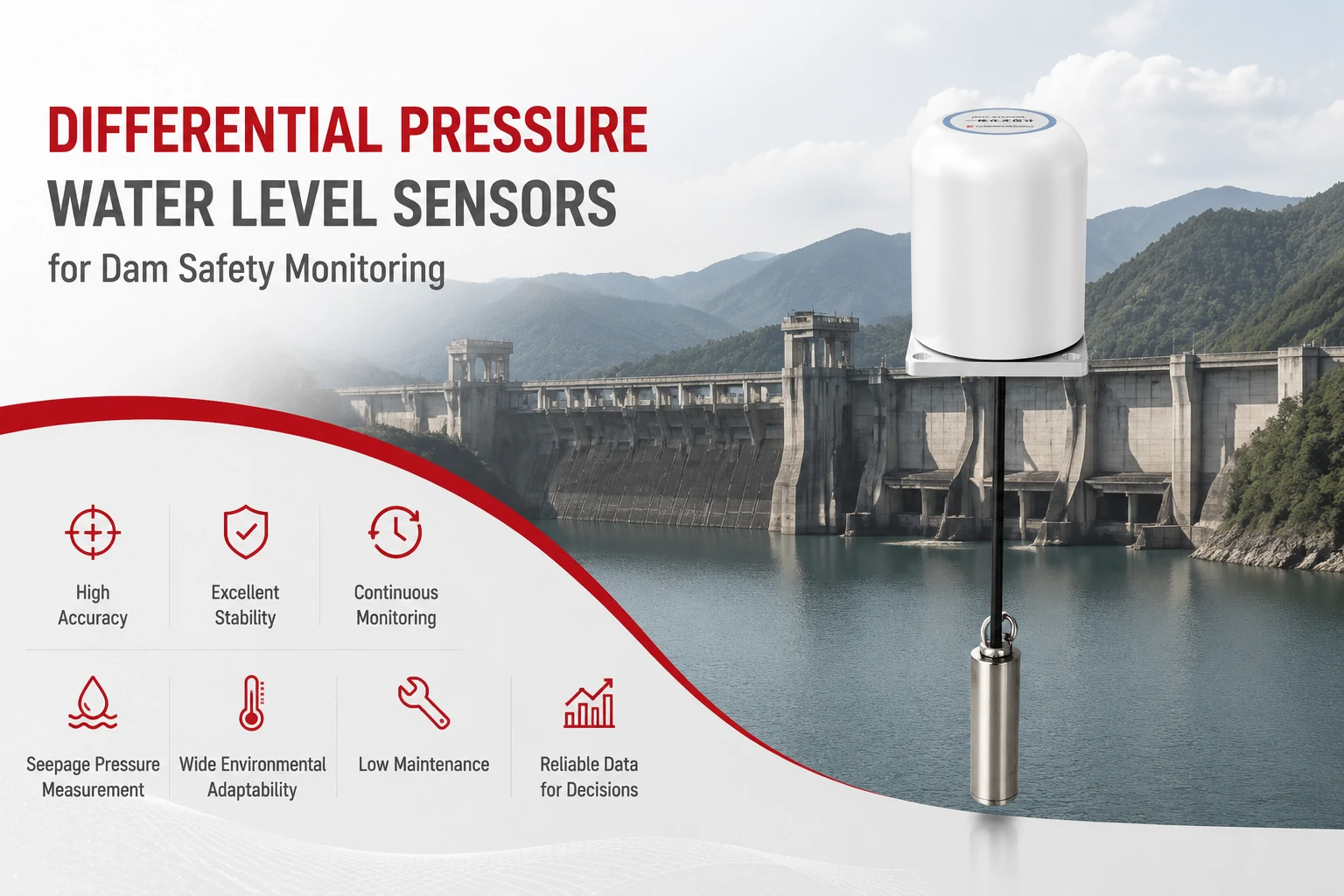
Key Takeaways The strongest fit is usually a confined, submerged, or s...
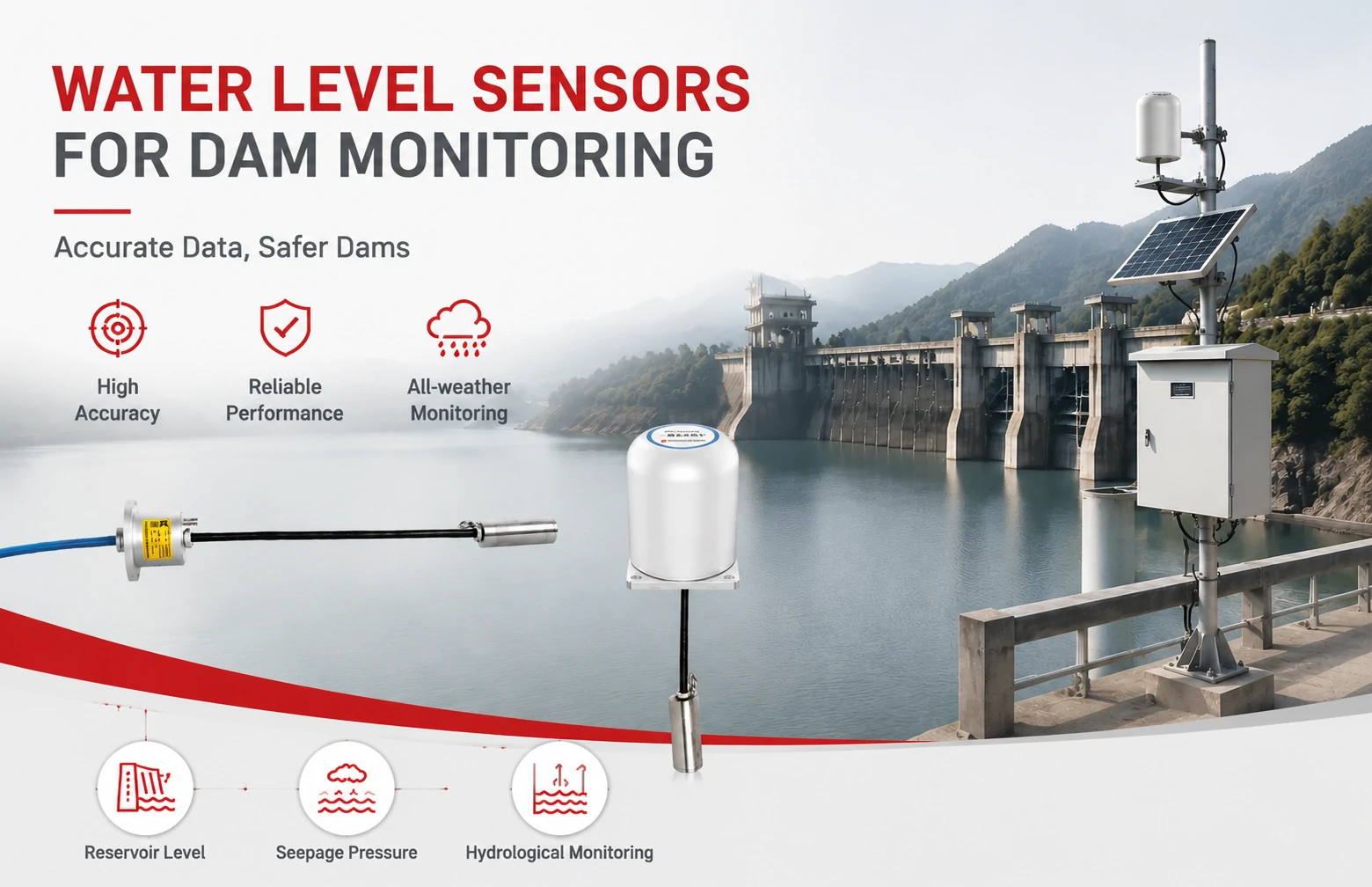
Kingmach Water Level Sensors for Dam Monitoring: A Buyer's Guide to Differential Pre...
Products
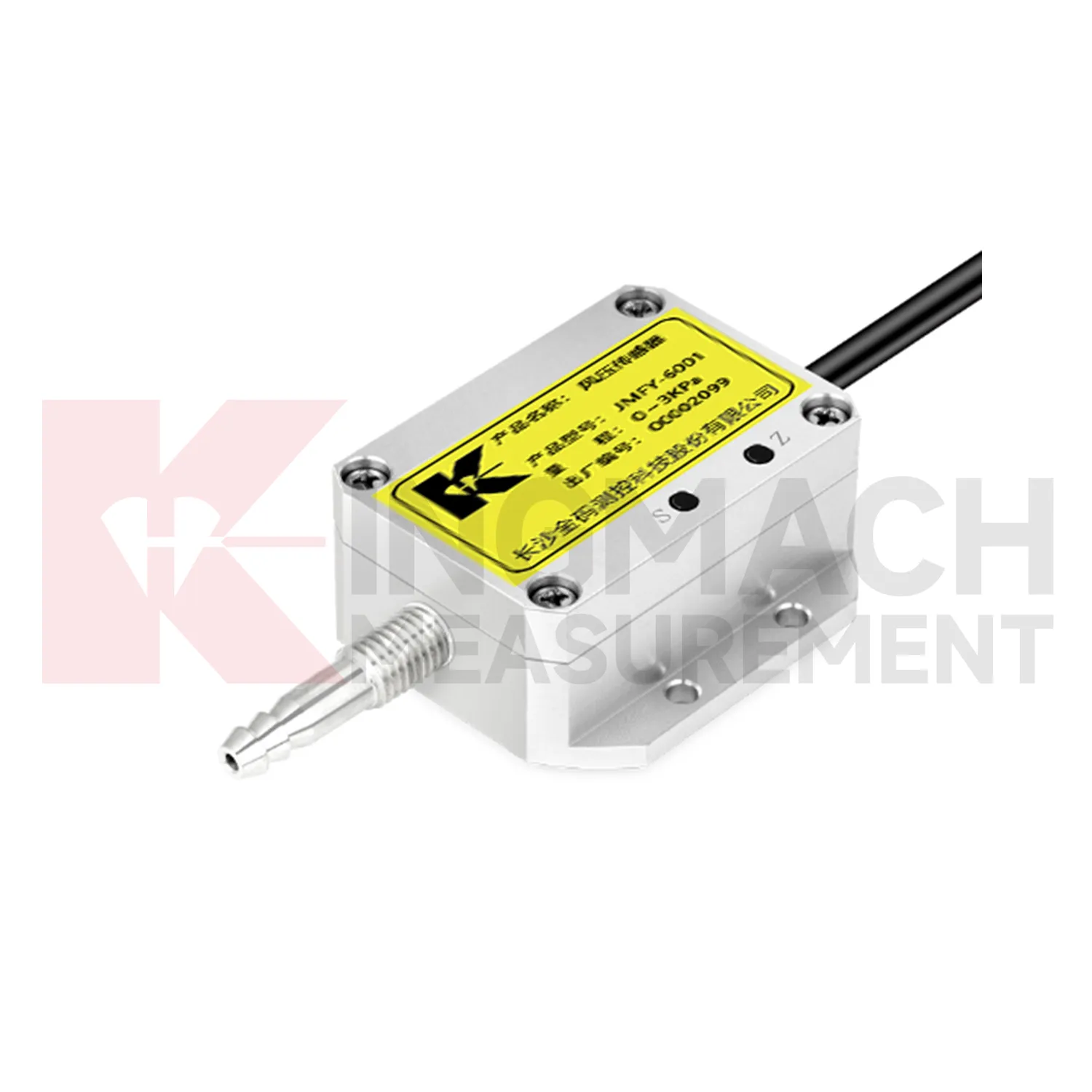
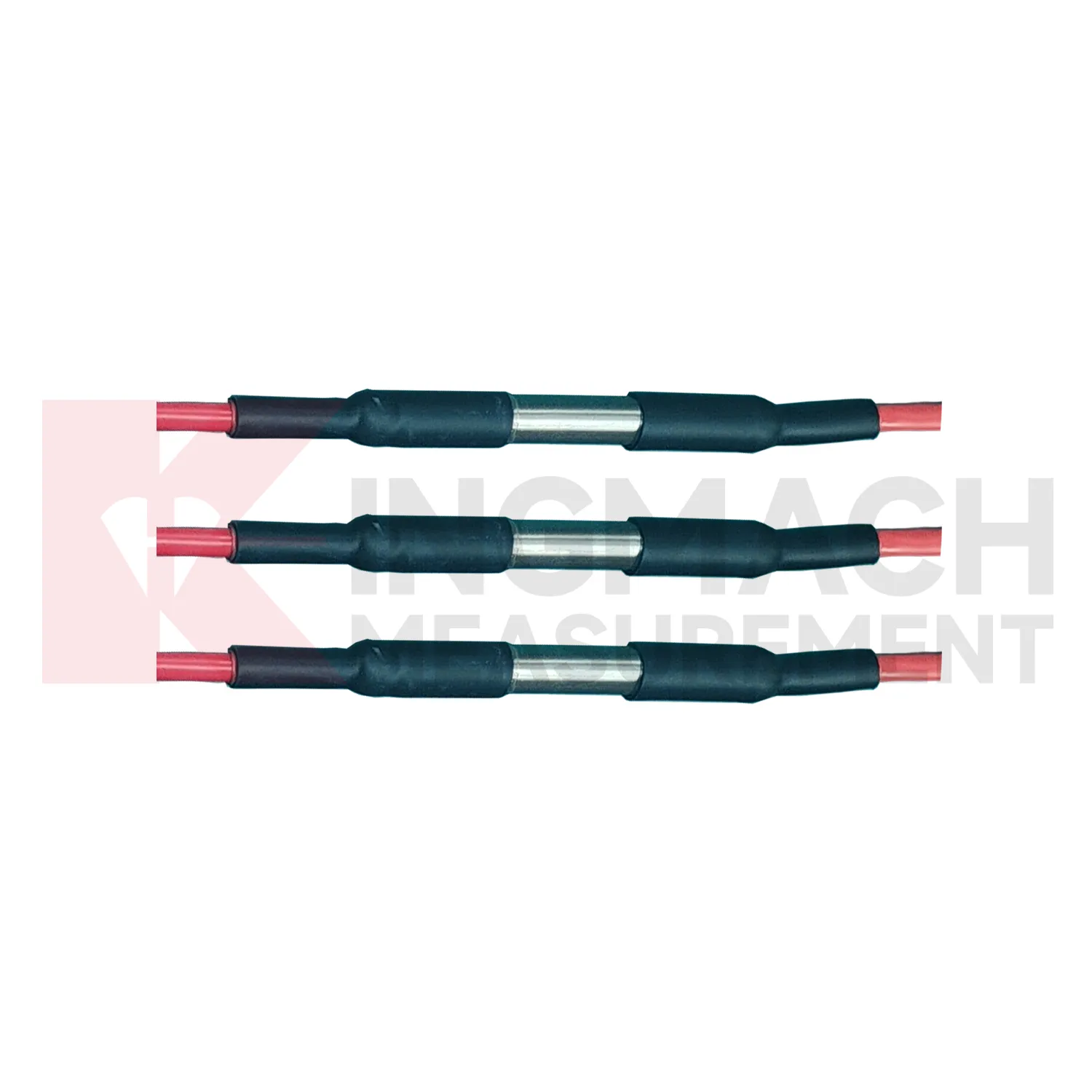
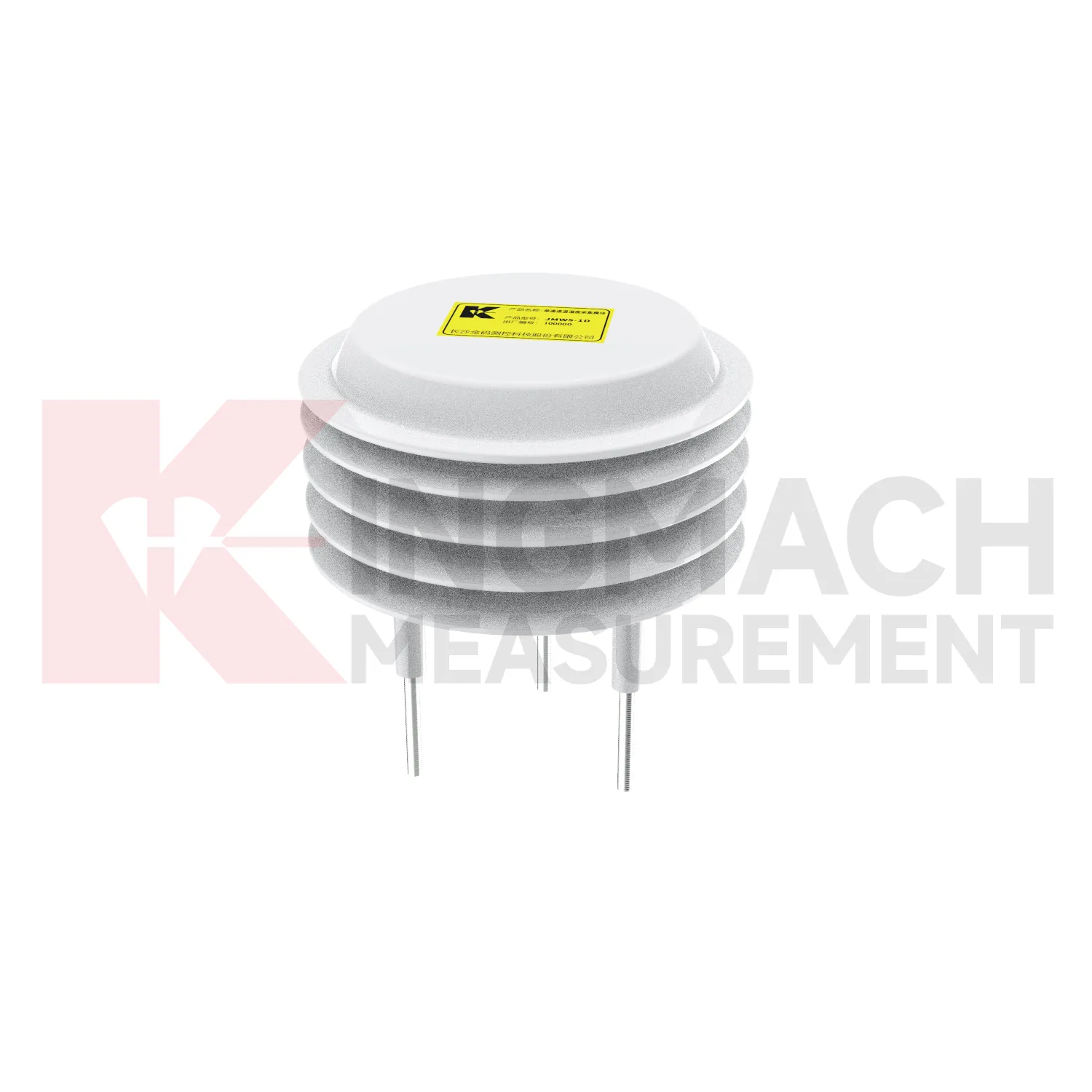
Single-Channel Temperature and Humidity Acquisition Module JMWS-1D
View DetailsFAQ
The 'typical' resolution like 0.2 mm is the nominal value the gauge is calibrated to. In practice, it can vary slightly with rainfall intensity and mechanical wear. It's a reliable benchmark for comparing models, though.
A 0.1 mm gauge offers finer detail, useful for early detection of light but prolonged rain. However, 0.2 mm is often enough for flood warnings, reducing data storage by half. The choice depends on your catchment response time.
Yes. Kingmach tipping bucket gauges output a simple switch closure pulse, compatible with most modbus loggers, SDI-12 modules via an adapter, or basic microcontrollers. No exotic interfaces needed.
Periodic cleaning of the funnel screen and checking that the bucket tips freely are the main tasks. Heavily polluted areas might need more frequent rinsing to keep resolution accurate.
Share your product type, target capacity, and application requirements. Our team can review the details and recommend a practical next step.
If you are interested in our products or want to become our partner.
Please leave your contact information, our team will contact you as soon as possible.
Mail: [email protected]
Contact Us: +8613808434127
Address: No. 188 Tongzipo West Rd, Changsha, Hunan, China