
 EN
EN
 ar
ar bg
bg hr
hr cs
cs da
da nl
nl fi
fi fr
fr de
de el
el hi
hi it
it ko
ko no
no pl
pl pt
pt ro
ro ru
ru es
es sv
sv tl
tl iw
iw id
id lv
lv lt
lt sr
sr sk
sk sl
sl uk
uk vi
vi et
et hu
hu th
th tr
tr fa
fa ms
ms hy
hy ka
ka ur
ur bn
bn mn
mn ta
ta kk
kk uz
uz ku
ku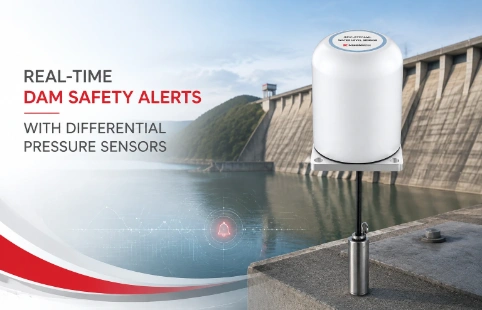
Real-Time Dam Safety Alerts with Differential Pressure Water Level Sensors
Key Takeaways An alert chain needs more than a sensor: define field in...

Wind Speed and Direction Sensors for Field and Facility Monitoring
A construction site manager checks wind conditions before clearing a crane lift. An airport relies on real-time gusts to adjust runway operations. Wind speed and direction sensors sit at the center of these decisions, and when they fail, downtime or safety risks pile up. Kingmach has been supplying these sensors for years, with a focus on keeping installations simple and data consistent. Our sensors aren’t one-size-fits-all; we configure measurement principles, output signals, and mounting options around your project’s environment. Whether you monitor microclimate in an orchard, automate ventilation in a greenhouse, or log conditions on a remote tower, you get hardware that matches the task. We’ve learned that technicians don’t want to spend hours wiring a sensor – so we keep documentation clear and provide pre‑sales support to avoid surprises later. The outcome: less tuning, fewer returns, and a sensor that delivers numbers you can act on.
Technical Detail
Kingmach builds its wind speed and direction sensors for people who install and service them, not just for brochure specs. That means terminal blocks you can actually reach, cabling that doesn’t corrode after one monsoon season, and output signals that talk to most loggers without extra converters. You can choose from mechanical cup‑and‑vane designs or ultrasonic units with no moving parts. Where dust, salt, or cold slow down mechanical bearings, we suggest going ultrasonic. Where budgets are tight and maintenance intervals are manageable, a well‑built mechanical sensor still makes sense. We supply sensors with 4‑20 mA, RS485, or SDI‑12 output – common enough to drop into existing SCADA and weather station setups. The wind speed range stretches from light drafts to over 60 m/s, depending on the sensor head you pick. We also stock crossarms, brackets, and cables, so your purchase isn’t missing a small but critical part. Because Kingmach manufactures geotechnical and monitoring instruments at scale, we carry spares and can customize cable lengths or connector types for large orders. Our distribution network serves projects across Asia, the Middle East, and Africa, so local support and calibration checks are easier to arrange than working with a vendor in a far‑off time zone. If your project has an unusual mounting requirement or a specific certification concern, get in touch early. We’ve helped engineering firms source sensors for high‑wind railway corridors, port authority weather stations, and solar farm resource assessment – jobs where off‑the‑shelf parts often fall short.
News
Key Takeaways An alert chain needs more than a sensor: define field in...
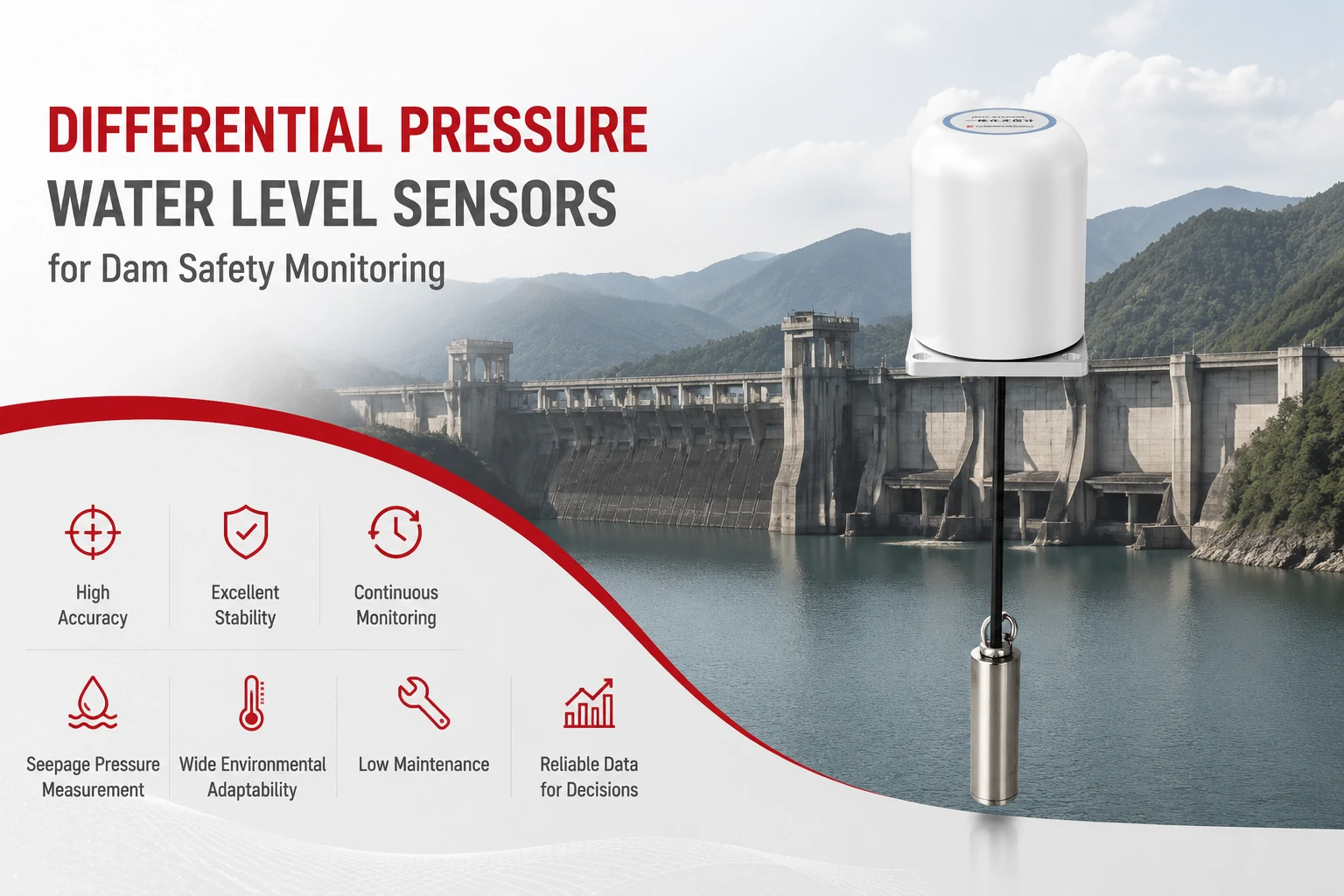
Key Takeaways The strongest fit is usually a confined, submerged, or s...
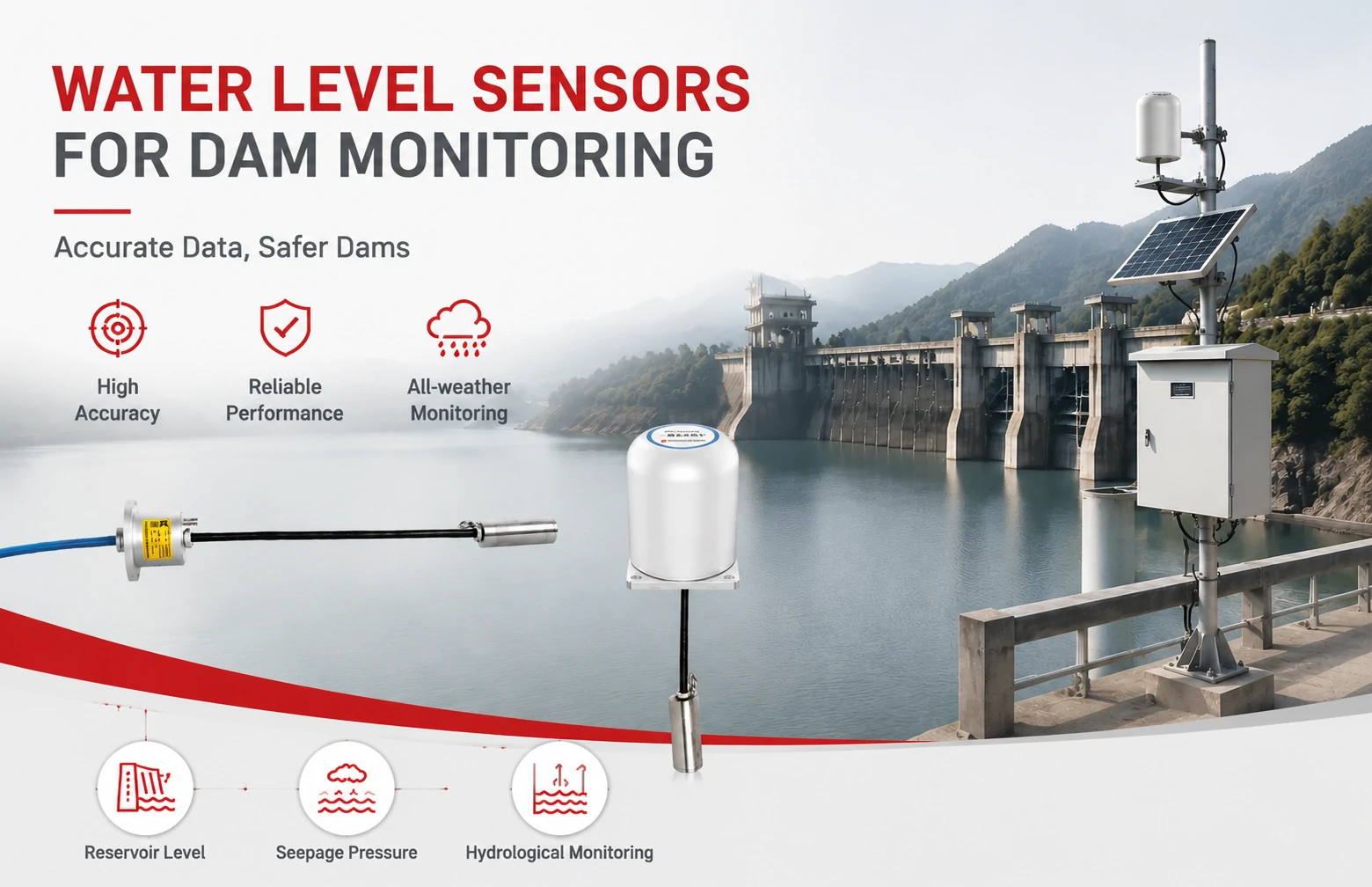
Kingmach Water Level Sensors for Dam Monitoring: A Buyer's Guide to Differential Pre...
Products
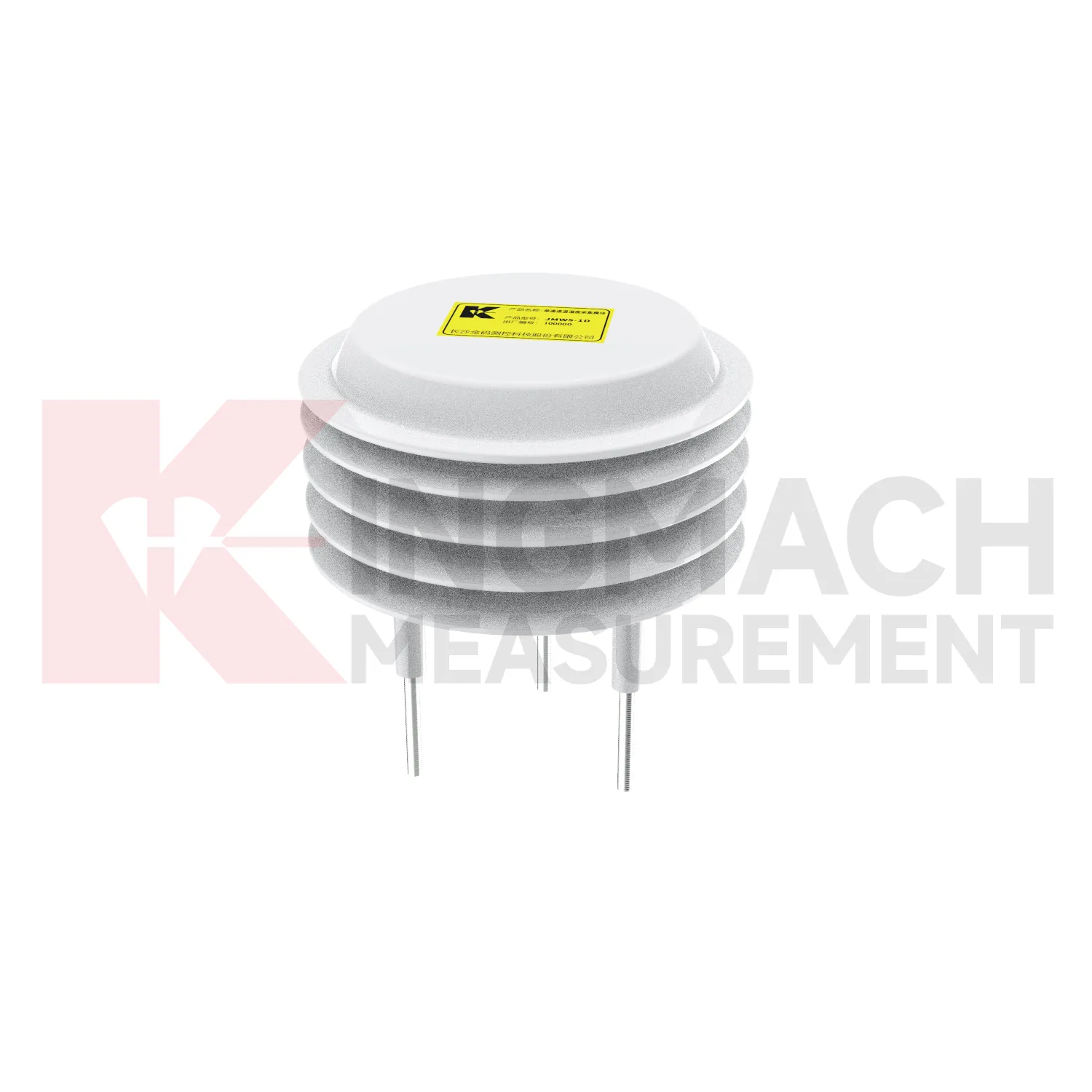
Single-Channel Temperature and Humidity Acquisition Module JMWS-1D
View Details
FAQ
Mechanical sensors cost less initially, so they show up in budget-tight installations where periodic cleaning and bearing checks are seen as normal upkeep. Ultrasonic sensors eliminate moving parts, which helps when sensors are mounted in hard-to-reach towers or near marine spray. If your data is used for safety decisions or compliance reports, the reduced maintenance of an ultrasonic sensor often pays back within a few years.
Our standard sensors output 4–20 mA, RS485, or SDI-12. This range covers most dataloggers, PLCs, and weather stations. If you need a different protocol, tell us before ordering; we can often adjust the firmware or recommend a converter.
Yes. We stock crossarms, brackets, masts, and cables. Ordering from one supplier avoids the headache of mismatched thread sizes or incompatible cables that delay commissioning.
It depends on the sensor model. Some of our mechanical anemometers measure from 0.5 m/s up to 60 m/s, while ultrasonic models typically start around 0 m/s and top out near 65 m/s. We’ll help you pick the right model once we know your site’s typical and extreme wind conditions.
Many are designed with heated elements or corrosion-resistant materials for cold and salty air. Let us know the environment; we’ll steer you toward a sensor with the right IP rating and materials.
Share your product type, target capacity, and application requirements. Our team can review the details and recommend a practical next step.
Related Keywords
If you are interested in our products or want to become our partner.
Please leave your contact information, our team will contact you as soon as possible.
Mail: [email protected]
Contact Us: +8613808434127
Address: No. 188 Tongzipo West Rd, Changsha, Hunan, China