
 EN
EN
 ar
ar bg
bg hr
hr cs
cs da
da nl
nl fi
fi fr
fr de
de el
el hi
hi it
it ko
ko no
no pl
pl pt
pt ro
ro ru
ru es
es sv
sv tl
tl iw
iw id
id lv
lv lt
lt sr
sr sk
sk sl
sl uk
uk vi
vi et
et hu
hu th
th tr
tr fa
fa ms
ms hy
hy ka
ka ur
ur bn
bn mn
mn ta
ta kk
kk uz
uz ku
ku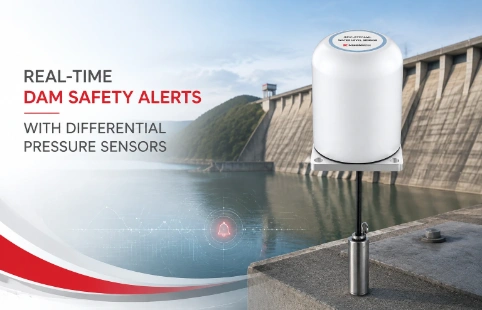
Real-Time Dam Safety Alerts with Differential Pressure Water Level Sensors
Key Takeaways An alert chain needs more than a sensor: define field in...

Photoelectric Deflectometer for Accurate In-Place Tilt Sensing
Deflection monitoring in geotechnical projects often relies on manual readings or wired systems that don’t hold up well over time. A photoelectric deflectometer takes a different approach—using optical sensors to measure angular displacement along a borehole or structure, and sending that data continuously. Kingmach supplies these instruments as part of its wider geotechnical range, with options to suit different site conditions and measurement ranges. Engineers use them to track movements in retaining walls, tunnel linings, slope inclinometer casings, and dam abutments. The main draw is the combination of long-term stability and the ability to pick up very small incremental tilts without needing physical contact with the sensing element. Because the sensor chain remains in place, you can log data automatically and flag anomalies before they become visible at surface level. This page covers what goes into a typical Kingmach photoelectric deflectometer setup, where it fits into a monitoring plan, and the kind of support the company provides from initial selection to data integration.
Technical Detail
Kingmach’s photoelectric deflectometer is built around an array of optical inclinometer sensors linked in series. Each sensor unit uses a light source and a detector to measure the angle relative to gravity, so there’s no mechanical pendulum that can wear or stick. The design keeps readings accurate even when the casing shifts slightly, which happens often in soft ground or during construction vibrations. The signal is transmitted digitally, which means long cable runs don’t degrade the measurement, and the system can be integrated with dataloggers that send readings via cellular or radio to a central server. Compared with traditional probe-type inclinometers that need an operator on site, the in-place photoelectric deflectometer lets you watch deformations as they develop. Monitoring companies and consulting engineers typically specify these sensors for critical sections of deep excavations, landslide-prone slopes, and concrete dams where gradual movement matters. Kingmach stocks standard gauge lengths and can provide custom sensor spacing for projects that need higher resolution near a known shear zone. The output data is straightforward—tilt angle over time at each sensor—so it plugs directly into most geotechnical data management platforms. Beyond the hardware, Kingmach offers commissioning assistance, calibration checks, and ongoing technical support through its distribution partners in Asia, Europe, and the Americas. For projects that demand automated, unattended monitoring with a robust optical sensing principle, this instrument is worth a closer look.
News
Key Takeaways An alert chain needs more than a sensor: define field in...
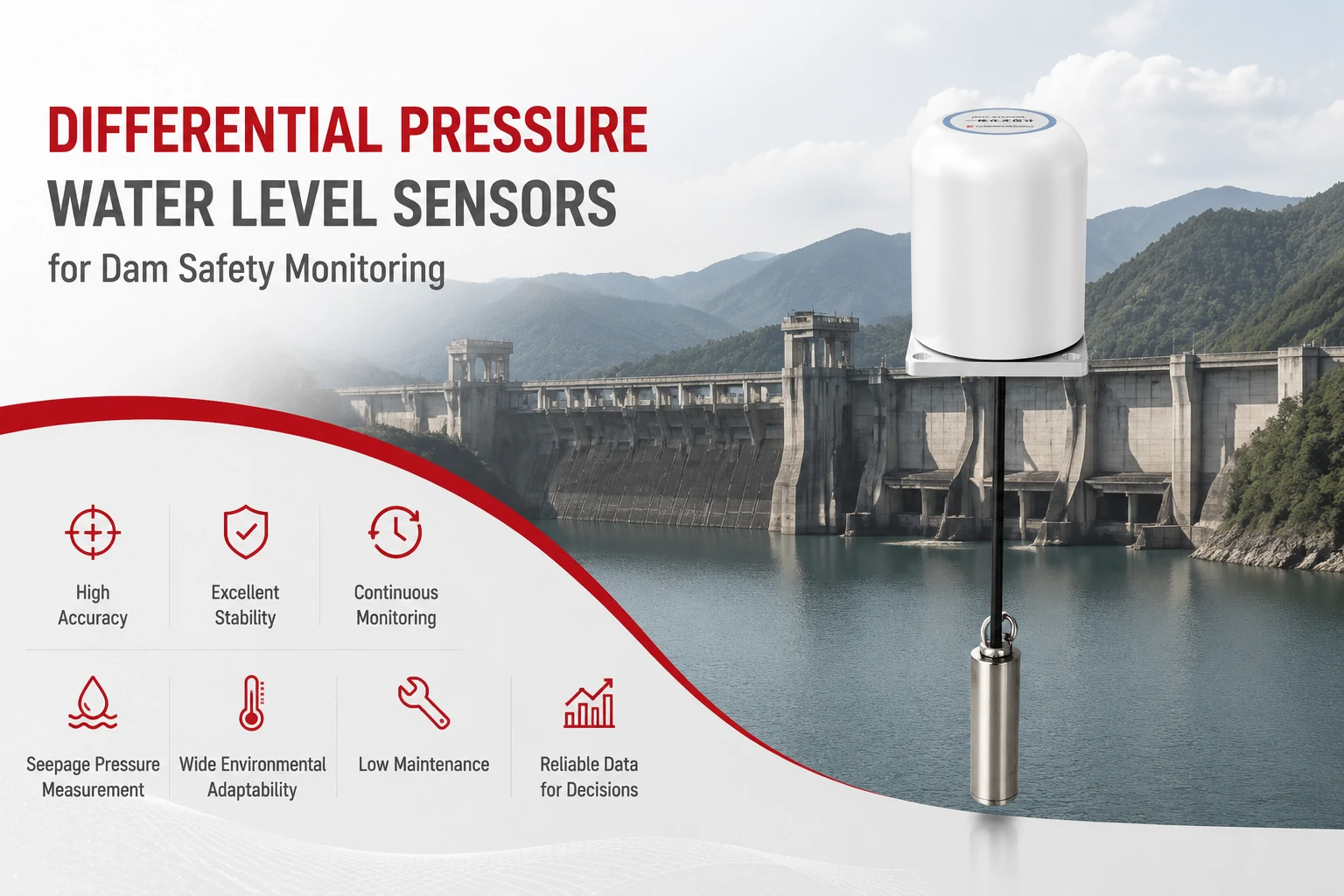
Key Takeaways The strongest fit is usually a confined, submerged, or s...
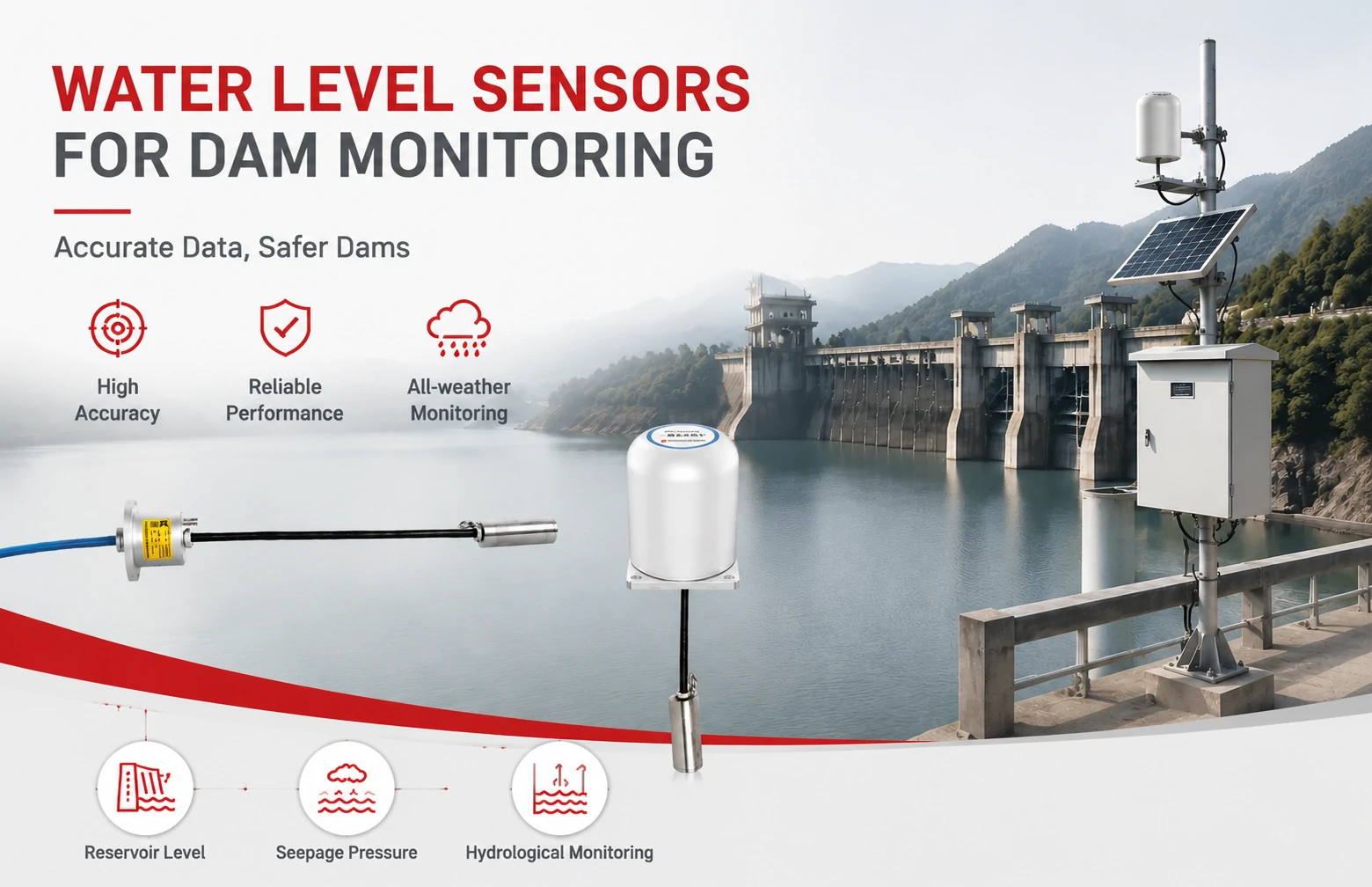
Kingmach Water Level Sensors for Dam Monitoring: A Buyer's Guide to Differential Pre...
Products
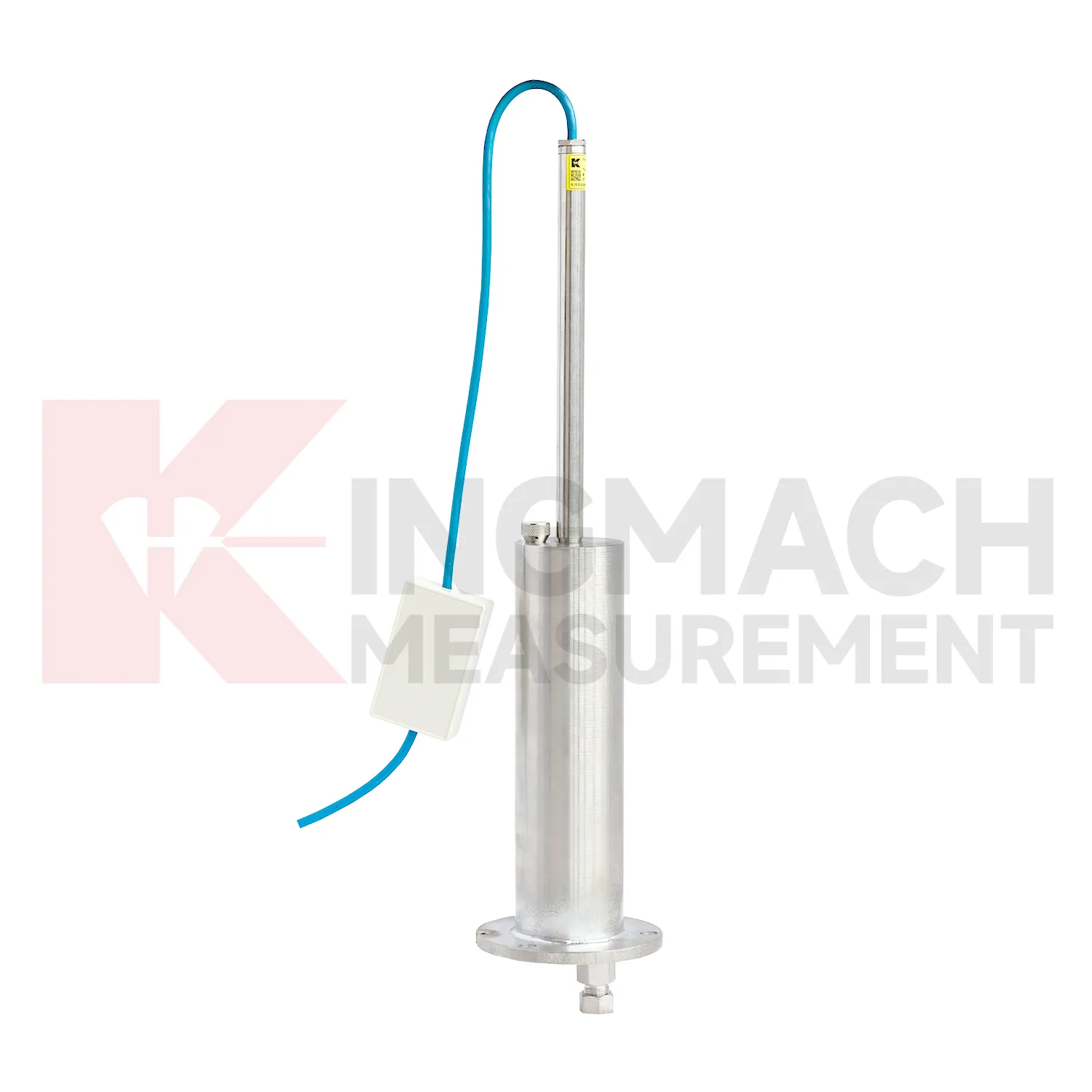
Inductive Frequency-Modulated Hydrostatic Level SensorJMDL-62XXAT、ADT
View Details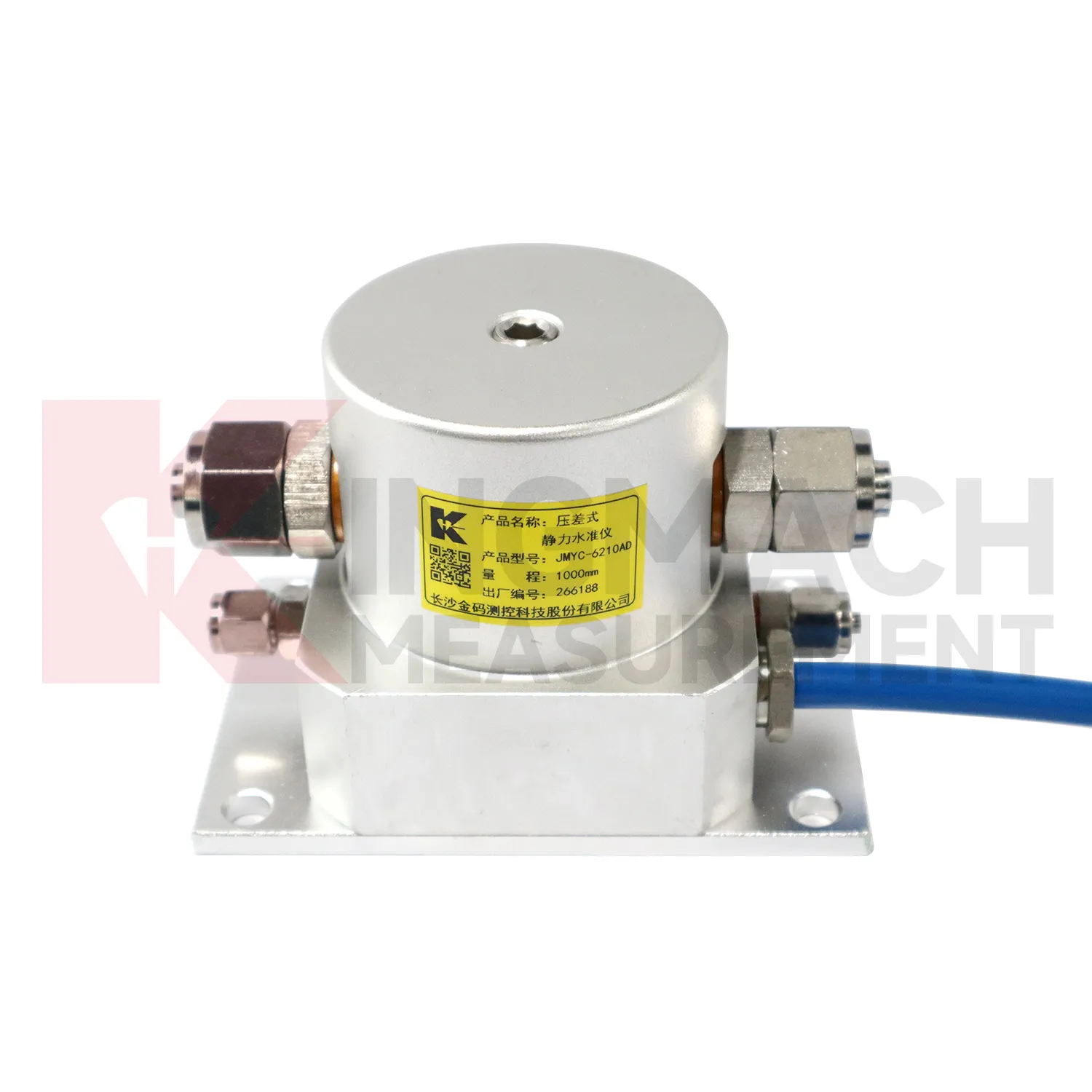
Wide-Range Differential Pressure Hydrostatic Level Sensor JMYC-62XXAD
View Details
FAQ
Both measure tilt along a borehole, but the photoelectric type uses optical sensing without an internal mass that moves. This tends to give better long-term zero stability and less drift, especially in environments with vibration. MEMS sensors are smaller and often cheaper per point, but photoelectric ones can be a stronger choice when you need decade-long monitoring and very low long-term error.
Yes. The sensor chain works in any orientation as long as the casing is installed correctly. Horizontal installations are common for measuring settlement profiles under embankments or lateral movement in tunnel crowns. Just let us know the inclination range and project requirements during ordering so the sensors can be pre-configured.
The deflectometer outputs digital signals. Kingmach can supply compatible dataloggers that support Modbus or SDI-12 protocols, or you can integrate with third-party loggers like Campbell Scientific or Campbell CR series, as long as they accept the sensor’s output. Our technical team provides wiring details and communication setup guides.
That depends on the power supply, cable length, and data throughput of the logger. A typical setup handles 10 to 30 nodes without any issue. For longer strings, we recommend splitting into segments with separate data channels. Our engineers can help design the string layout based on your borehole depth and expected displacement zone.
We don’t usually perform on-site calibration because the sensors are factory-calibrated to traceable standards. However, we can guide your field team through a simple validation procedure using a reference tilt table if required. For critical projects, we can arrange a service visit through our local distributor.
Share your product type, target capacity, and application requirements. Our team can review the details and recommend a practical next step.
If you are interested in our products or want to become our partner.
Please leave your contact information, our team will contact you as soon as possible.
Mail: [email protected]
Contact Us: +8613808434127
Address: No. 188 Tongzipo West Rd, Changsha, Hunan, China