
 EN
EN
 ar
ar bg
bg hr
hr cs
cs da
da nl
nl fi
fi fr
fr de
de el
el hi
hi it
it ko
ko no
no pl
pl pt
pt ro
ro ru
ru es
es sv
sv tl
tl iw
iw id
id lv
lv lt
lt sr
sr sk
sk sl
sl uk
uk vi
vi et
et hu
hu th
th tr
tr fa
fa ms
ms hy
hy ka
ka ur
ur bn
bn mn
mn ta
ta kk
kk uz
uz ku
ku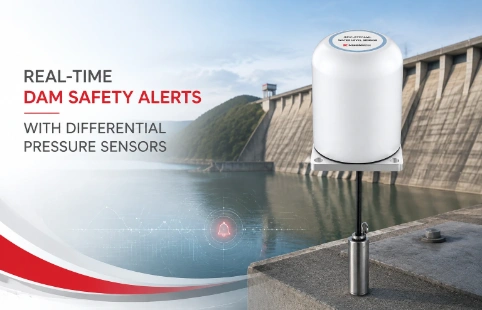
Real-Time Dam Safety Alerts with Differential Pressure Water Level Sensors
Key Takeaways An alert chain needs more than a sensor: define field in...

Strain Gauge High Temperature Force Sensors
When a steel mill needs to monitor roll forces inside a 400°C environment, standard load cells drift or fail within hours. That’s where strain gauge high temperature force sensors become a practical solution. Kingmarch Measurement & Monitoring Technology focuses on sensors that keep working when heat would normally compromise accuracy. Our approach uses proven strain gauge designs adapted with thermal compensation and materials selected for endurance. Whether you’re instrumenting a curing press, monitoring structural loads on a boiler, or testing components in an environmental chamber, these sensors deliver measurements you can trust without constant recalibration. They aren’t one-size‑fits‑all—we configure full‑bridge or half‑bridge arrangements, add cooling jackets if needed, and adjust cabling for your setup. With a network spanning multiple continents, we can ship quickly and provide technical guidance before and after installation. Building on years of geotechnical instrumentation experience, Kingmarch brings the same engineering discipline to industrial heat‑zone applications, so you get sensors that match your process, not just a catalog number.
Technical Detail
Kingmarch strain gauge high temperature force sensors are built for applications where heat makes ordinary sensing unreliable. The measuring element uses a strain gauge arrangement fabricated from alloys that resist thermal drift—common in the industry for stable output up to several hundred degrees Celsius. We bond these gauges to a force‑bearing structure and apply protective coatings that shield against oxidation, moisture, and thermal shock. This combination keeps the sensor’s creep and hysteresis within practical limits even during prolonged exposure. For installation, both tension and compression models are available, with mounting adapters that simplify alignment on hot surfaces. The wiring uses mineral insulation or high‑temperature cables, and we often recommend cooling fins or water jackets when ambient heat approaches the upper limit of the sensor. Custom force ranges and dimensions can be arranged because we manufacture in‑house and keep engineering flexible—a benefit of working with a specialist rather than a general parts supplier. Our global distribution means local support isn’t an afterthought. When a sensor behaves unexpectedly in your test rig, our team helps diagnose whether it’s a thermal effect, cable routing, or something else. We see this as part of delivering a functional measurement chain, not just a component. If you’re comparing options, we encourage you to send a sketch of your mounting point and we’ll suggest a configuration that has worked in similar environments.
News
Key Takeaways An alert chain needs more than a sensor: define field in...
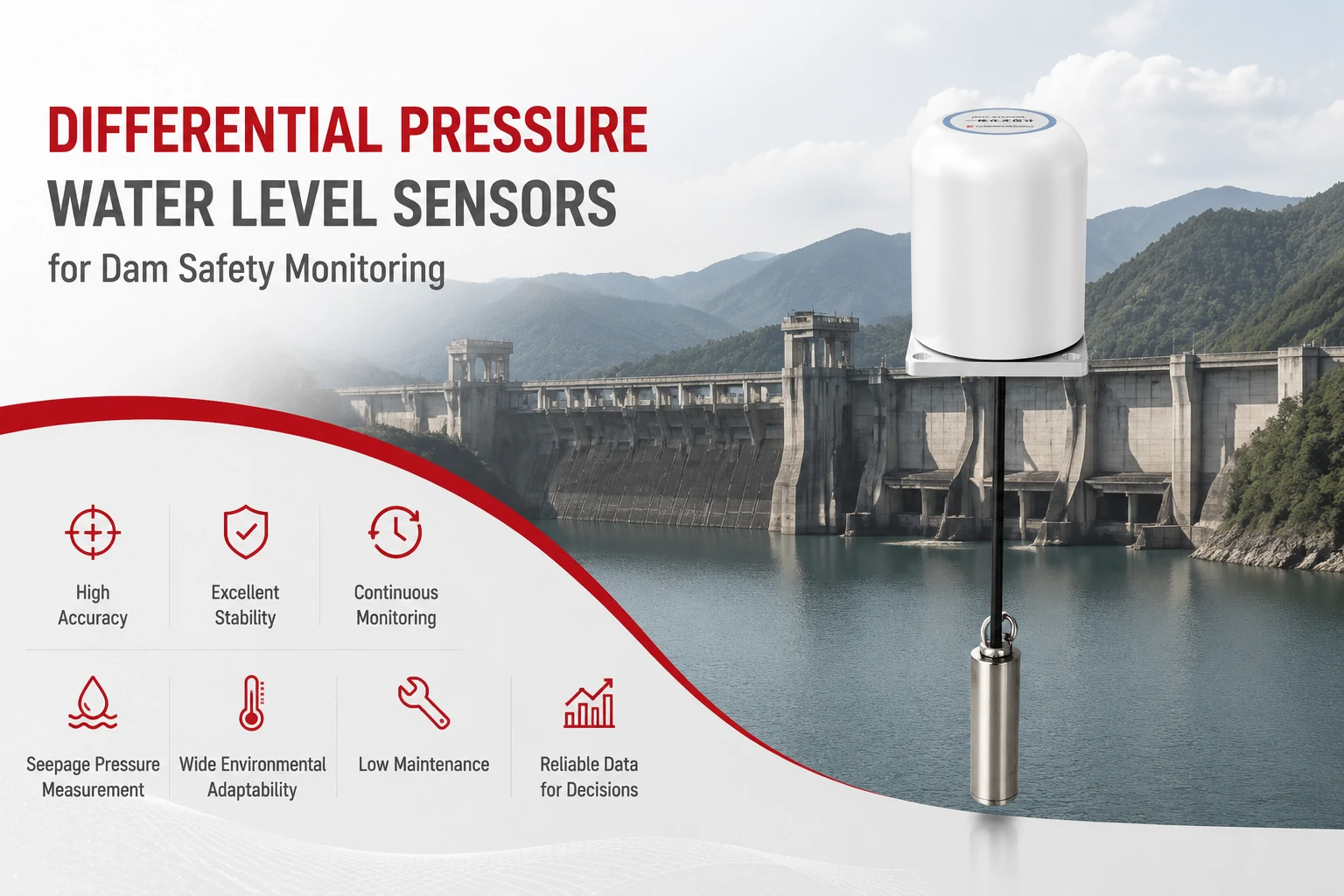
Key Takeaways The strongest fit is usually a confined, submerged, or s...
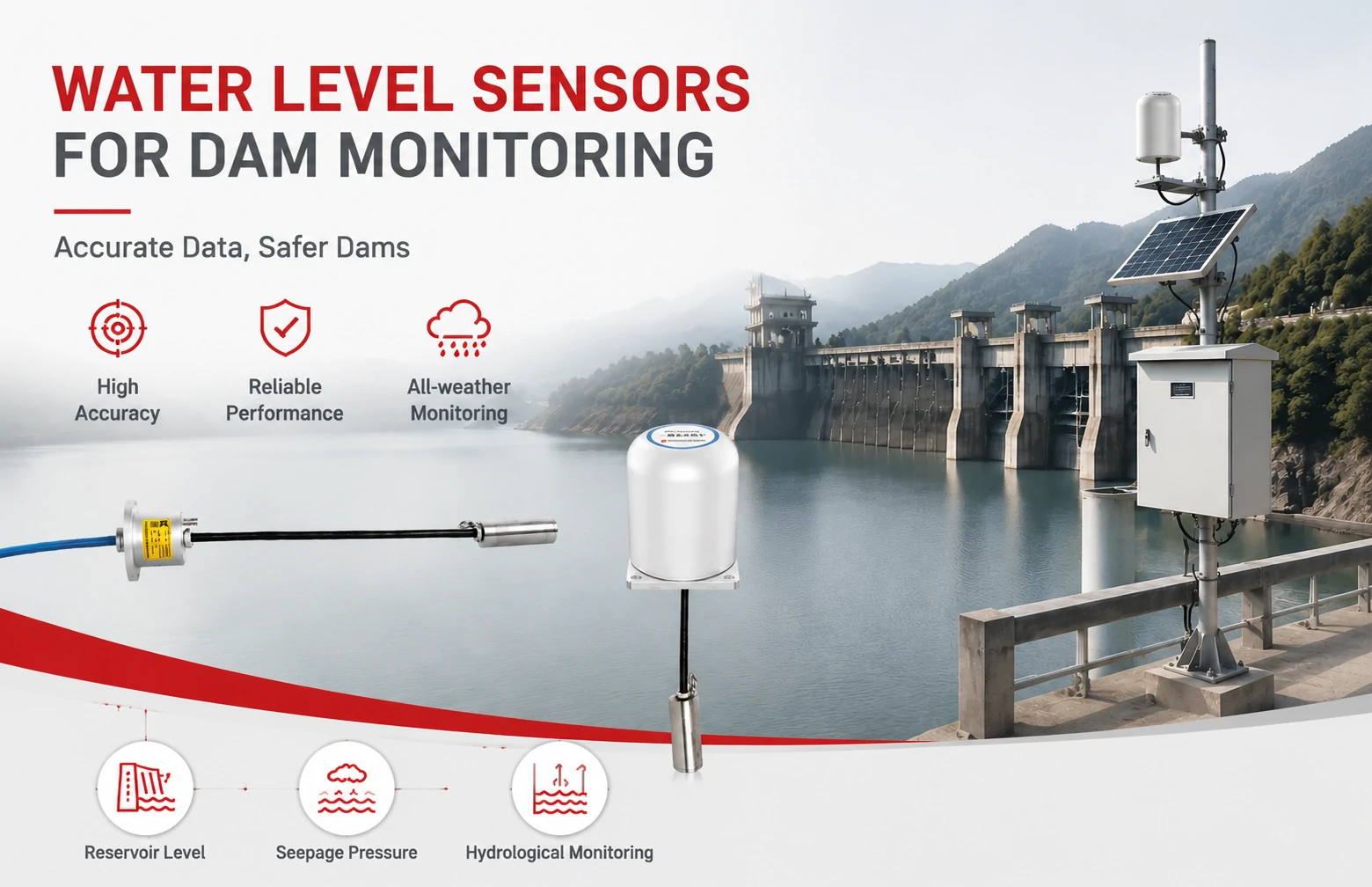
Kingmach Water Level Sensors for Dam Monitoring: A Buyer's Guide to Differential Pre...
Products
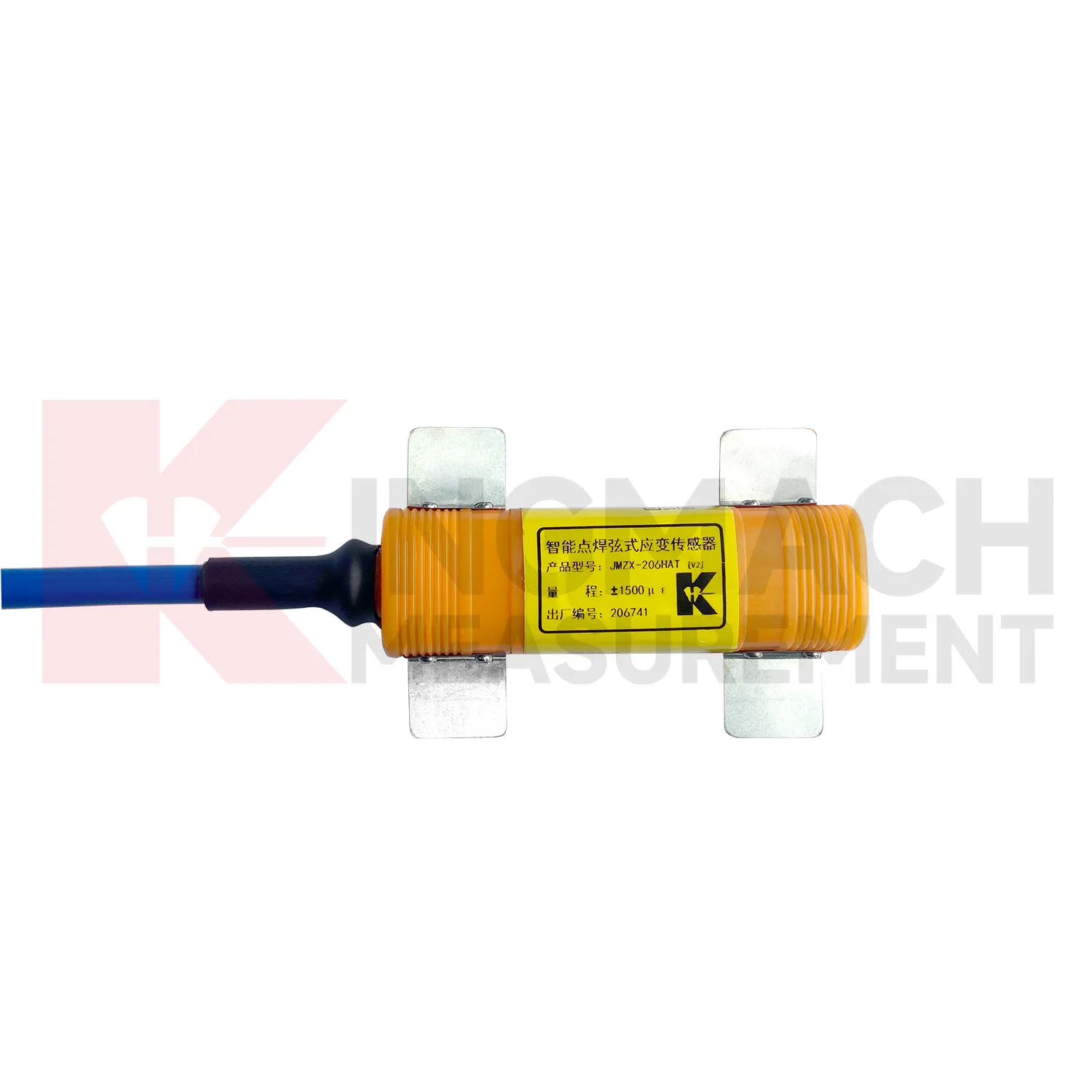
Smart vibrating wire strain gauge (surface welded model) JMZX-206HAT
View Details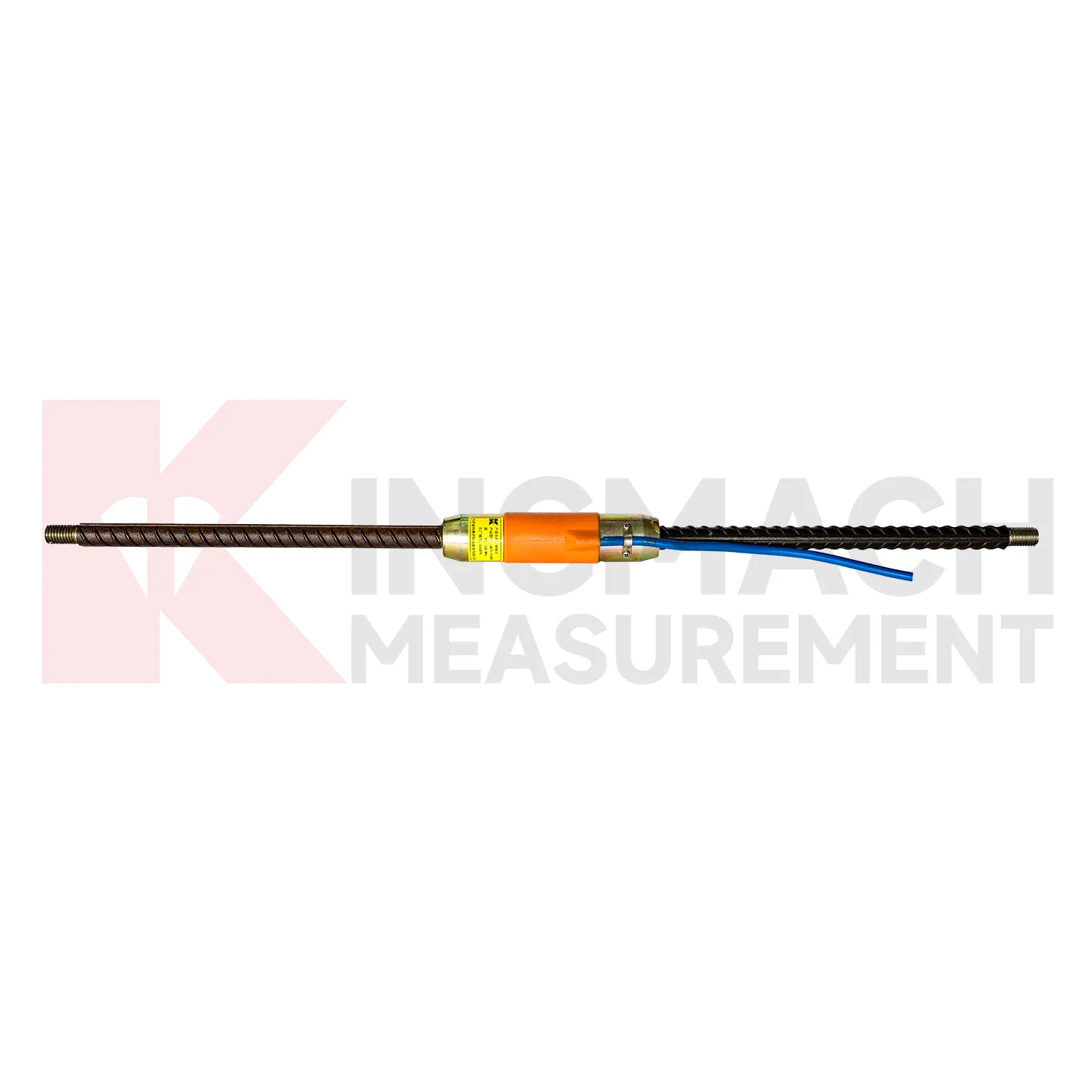
Rebar Strainmeters ( VW & Smart Type) JMZX-4XXHAT/HB
View Details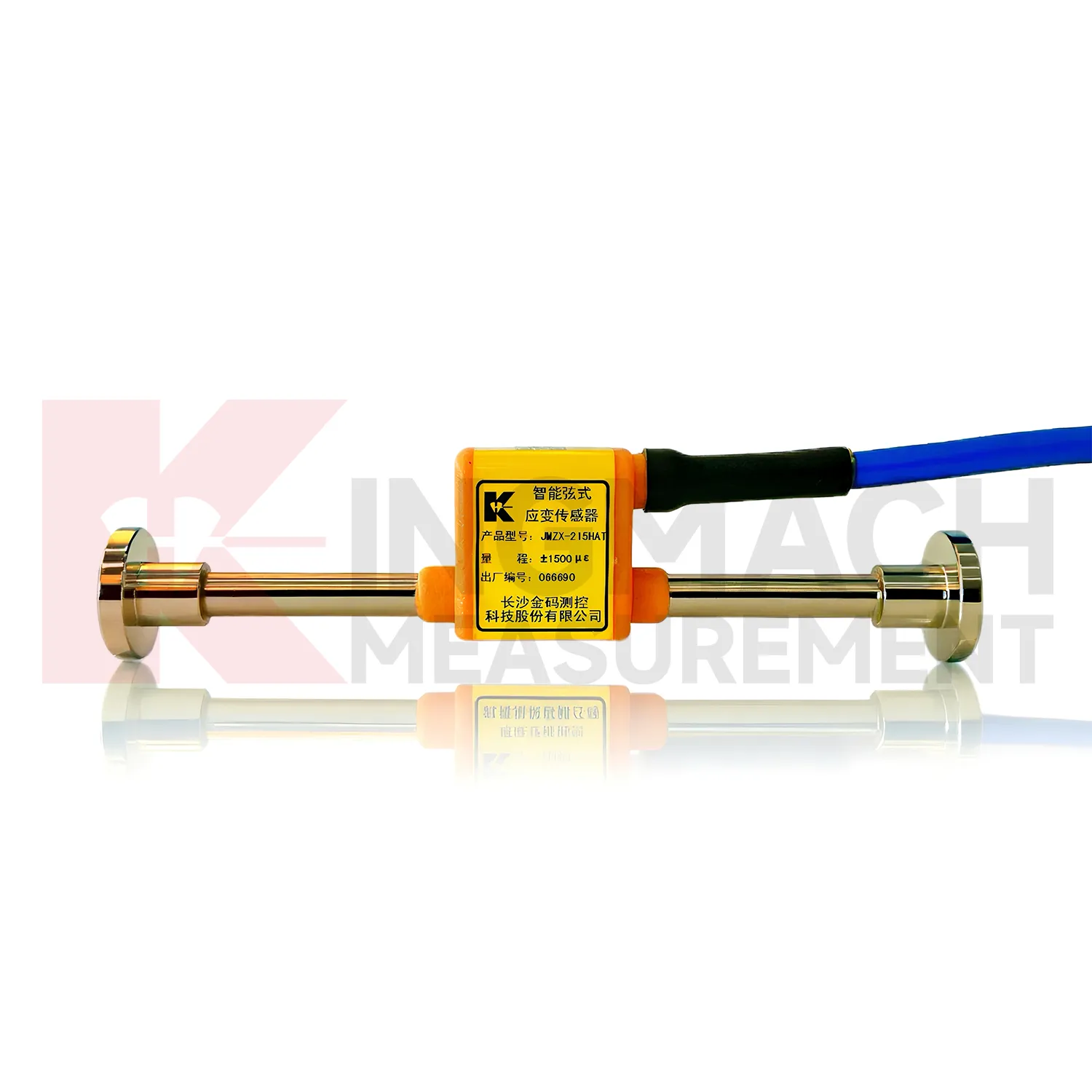
Smart vibrating wire strain gauge (embedment model) JMZX-215HA/215HAT/HB
View DetailsFAQ
Most of our strain gauge high temperature force sensors are rated for continuous operation up to 250°C without external cooling. With an active water jacket or thermal barrier, some designs can survive intermittent exposure above 400°C. The exact limit depends on the force range, cable type, and how long the sensor stays at peak temperature. We can provide thermal derating curves once we know your working conditions.
They hold calibration better than generic industrial load cells, but we still recommend checking zero balance and sensitivity every 500 running hours or after any thermal shock event. The strain gauges and bonding materials gradually age, especially if temperature cycles are wide. A quick shunt calibration or a reference weight check is usually enough to spot drift. We can integrate calibration features into the sensor design if your process can’t be interrupted often.
Yes. Our standard configuration outputs 2 mV/V at rated load, which is compatible with most strain gauge amplifiers. If you need a different sensitivity, we can adjust the gauge wiring or add an in‑line amplifier module to deliver 0‑5 V, 4‑20 mA, or digital signals. Just tell us the input range of your logger and the cable distance.
We cover compressive and tensile ranges from 1 kN to over 1000 kN in standard designs. For unusual requirements like very low forces at high temperature (e.g., 50 N for delicate contact testing), we can create a custom flexure design. High‑capacity models above 500 kN usually use a column‑type sensing element to manage the stresses at elevated temperature.
Most customers use a thermal standoff block between the sensor and the heat source, combined with spring washers to manage thermal expansion. We include mounting flanges or threaded holes on the sensor body. For temperatures above 300°C, a water‑cooled mounting plate is safer. We can advise on bolt materials that won’t seize when everything heats up—Inconel and stainless steel grades are common.
Share your product type, target capacity, and application requirements. Our team can review the details and recommend a practical next step.
If you are interested in our products or want to become our partner.
Please leave your contact information, our team will contact you as soon as possible.
Mail: [email protected]
Contact Us: +8613808434127
Address: No. 188 Tongzipo West Rd, Changsha, Hunan, China